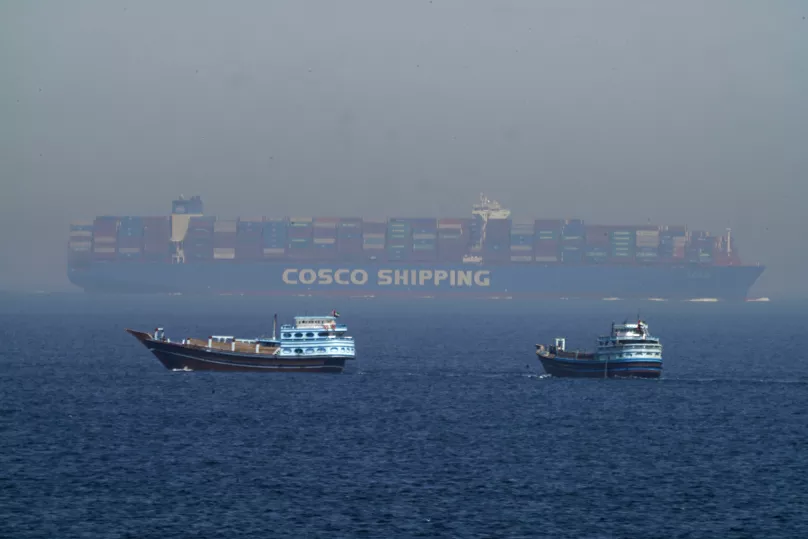
Two Chinese container ships have decided to withdraw from crossing the Strait of Hormuz, despite Iranian commitments to ensure safe passage. This decision reflects the growing concerns over geopolitical tensions in the region, where the Strait of Hormuz is considered one of the most important maritime corridors in the world.
This move comes at a sensitive time, as Iranian relations with Western countries are increasingly strained, particularly following the escalation of military threats in the region. This withdrawal raises questions about Iran's ability to guarantee navigation safety in its territorial waters, which could impact global trade flows.
Details of the Event
The two container ships, which were en route to the Arabian Gulf, decided to change their course after receiving information regarding the security situation in the area. Despite Iranian statements affirming the protection of commercial vessels, fears of military escalation have led companies to take precautionary measures.
This incident is part of a series of events occurring in the region, where incidents targeting commercial vessels have increased in recent years, heightening tensions between Iran and Western countries, especially the United States.
Background & Context
The Strait of Hormuz is a vital transit point for about 20% of the world's oil, making it a strategic target for major powers. In recent years, the region has witnessed escalating tensions, with Iran bolstering its military presence in the Gulf, raising concerns among neighboring countries and the United States.
In 2019, the region experienced a series of attacks on oil tankers, prompting Western nations to enhance their military presence in the Gulf. Despite Iranian efforts to assure navigation safety, repeated incidents have caused companies to hesitate in crossing the strait.
Impact & Consequences
This withdrawal by the Chinese ships could have negative effects on trade flows in the region, potentially leading to increased shipping costs and delivery delays. Additionally, it may reflect a decline in confidence in Iran's ability to ensure navigation safety, which could affect investments from countries in the region.
Moreover, this situation could lead to increased tensions between Iran and Western nations, as these countries might exploit the situation to justify a greater military presence in the Gulf, potentially escalating conflict in the region.
Regional Significance
This incident serves as an indicator of the deteriorating security situation in the region, which directly affects Arab countries. Tensions in the Gulf influence oil prices, impacting Arab economies that heavily rely on oil revenues.
Furthermore, the decline in trade flows through the Strait of Hormuz could affect economic relations between Arab countries and Asian nations, necessitating Arab governments to reassess their economic and security strategies in light of these challenges.