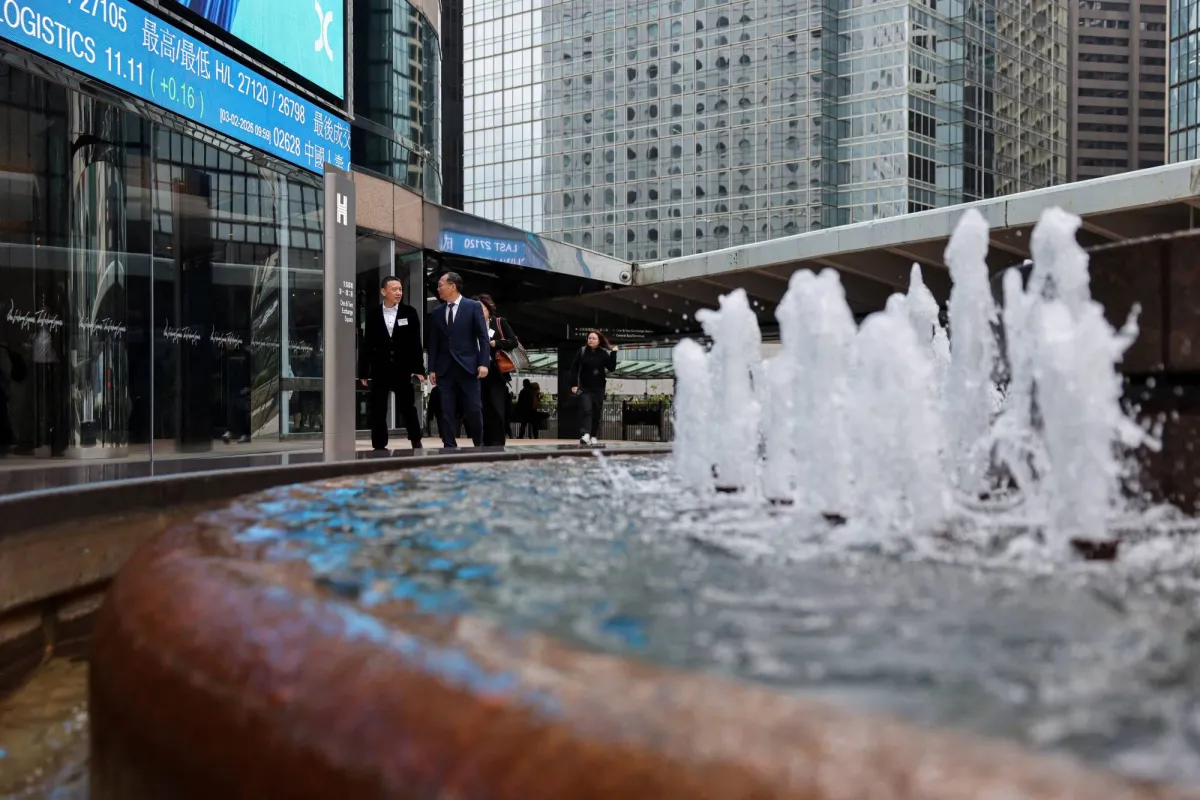
Chinese stocks declined in mainland markets and Hong Kong on Thursday, affected by a drop in investor sentiment after U.S. President Donald Trump failed to provide a clear timeline for ending the conflict with Iran in a televised address. Trump indicated that the U.S. military had nearly achieved its objectives in Iran but refrained from specifying a date to conclude the conflict, raising concerns in the markets.
In his speech, Trump confirmed that the United States would continue to strike targets in Iran over the coming weeks, further increasing uncertainty among investors. Prashant Neunhauser, a senior interest rate strategist at TD Securities, commented: "The only thing that really matters is whether the Strait of Hormuz will be opened soon... Trump's speech does not indicate that this will happen as quickly as the markets had anticipated, and the threats of U.S. strikes on Iranian power stations signal further escalation."
Market Performance Details
During the midday break, the Shanghai Composite Index dropped by 0.53%, while the CSI 300 index of leading stocks lost 0.74%. In Hong Kong, the Hang Seng Index fell by 1.1%, with technology stocks declining by 2.2%. Semiconductor stocks were among the biggest losers in morning trading, as Trump's remarks negatively impacted risk appetite, causing sub-indices tracking this sector to lose 2.49% and 2.29% respectively.
Simultaneously, oil prices surged by more than $5, heightening investor fears about ongoing supply disruptions. Several Chinese airlines, including the leading Chinese carrier, announced they would raise domestic fuel surcharges starting April 5, due to rising jet fuel prices resulting from the war with Iran.
Background & Context
These developments come at a time when the region is experiencing heightened geopolitical tensions, with growing concerns about the impact of the conflict in the Middle East on global markets. These tensions have led to a decline in the Chinese yuan against the dollar, which fell to 6.8850 against the dollar by 03:03 GMT, after reaching a three-week high of 6.8708 the previous day.
John Weathar, a senior portfolio manager at Pictet Asset Management, stated: "We have no additional certainty or clarity regarding the timeline after this speech, which is what the market was waiting for." He added that the expectation of continued military operations for another two to three weeks, along with the possibility of deploying ground troops, would push the market back into a defensive position, especially with the long weekend approaching.
Impact & Consequences
These developments underscore the importance for investors to monitor global markets and the impact of geopolitical events on investment decisions. As tensions escalate, analysts expect markets to continue to be negatively affected, potentially leading to greater price volatility. Additionally, the continuation of military operations could impact oil prices, increasing inflationary pressures on the global economy.
On the other hand, these developments may lead to increased demand for safe-haven assets, such as the U.S. dollar, putting pressure on other currencies, including the yuan. Analysts indicate that the decline in risk appetite may continue to affect financial markets in the near future.
Regional Significance
The Arab region is directly affected by these tensions, as Iran is a key player in many regional conflicts. As the conflict continues, fears may grow regarding its impact on oil price stability, which in turn affects the economies of oil-producing Arab countries.
Under these circumstances, Arab countries must take proactive measures to protect their economies from the effects of regional conflicts and enhance economic cooperation among themselves to reduce dependence on volatile markets.
In conclusion, markets remain under pressure from geopolitical tensions, necessitating that investors and analysts closely monitor developments and adapt to rapid changes in the economic landscape.