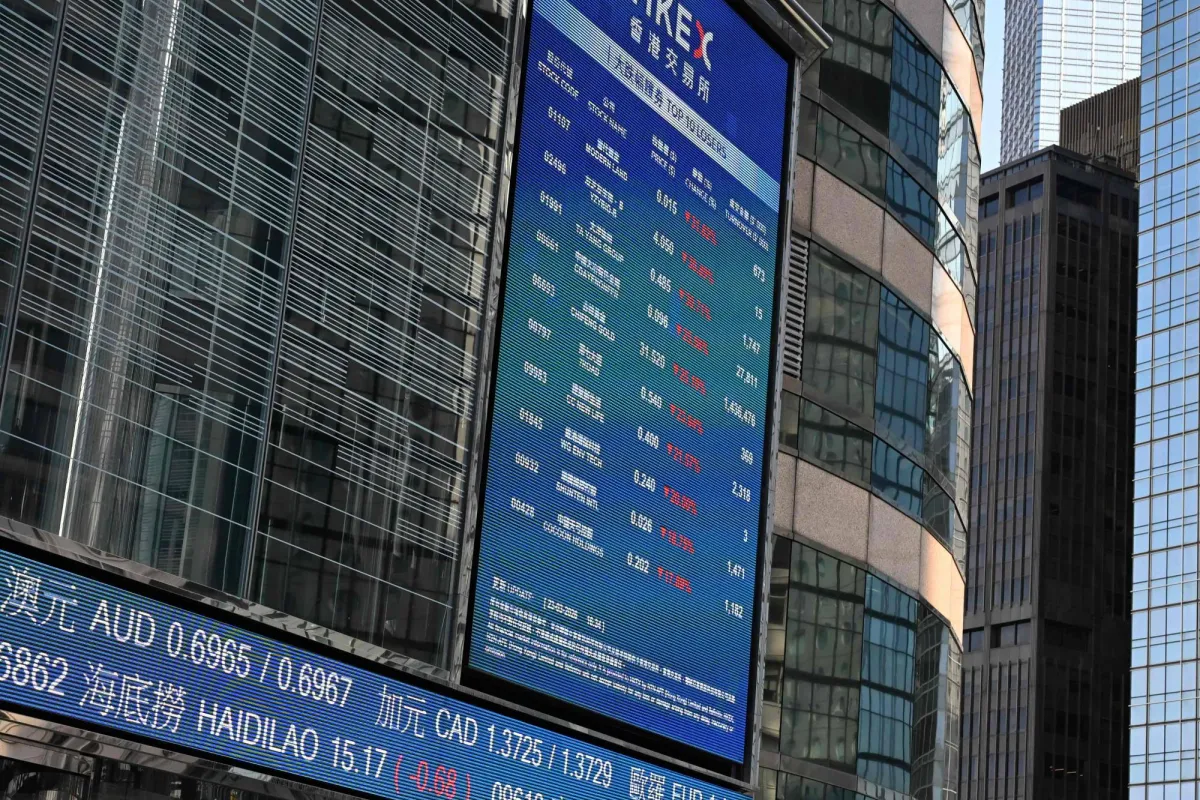
Chinese stocks continue to attract investors in March 2023, seen as a relatively safe destination amid the ongoing war in the Middle East, which has negatively impacted global risk appetite. Despite the pressures faced by markets due to the closure of the Strait of Hormuz, through which about 20% of global oil and gas trade passes, the Chinese market has shown better resilience than its regional counterparts.
In this context, global financial institutions have expressed increasing optimism towards the Chinese market this month. JP Morgan rated China as the best investment option in the region, highlighting its significant capacity to provide financial support when needed.
Event Details
Moreover, HSBC maintained its recommendation to increase weight in investment portfolios, noting that the market enjoys defensive characteristics thanks to a stable base of local investors and a stable currency. Analysts at BNP Paribas expect that the performance of China will increasingly stand out compared to the rest of Asia as the war between the United States and Israel on one side and Iran on the other continues.
Meanwhile, experts from Goldman Sachs confirmed that the Chinese economy is in a better position to withstand global shocks, thanks to its diversified sources and high strategic reserves, as well as its ability to adapt to crises. The Shanghai Composite Index lost only 6% during March, compared to an 18% drop in South Korean stocks and a nearly 13% decline in the Japanese Nikkei Index, reflecting the relative superiority of the Chinese market amid regional and global disruptions.
Context and Background
These developments coincide with rising tensions in the Middle East, where Japanese Finance Minister Satsuki Katayama warned that the government is prepared to respond to all fronts regarding market fluctuations. In a press conference, she confirmed that fluctuations in foreign exchange rates affect people's lives, without commenting on specific currency levels.
Later, Katayama reiterated her statements before parliament regarding the increase in speculative movements in the currency market, emphasizing Tokyo's concern over the yen's decline once again. Separately, data from Japan's Ministry of Economy, Trade and Industry showed that industrial output fell by 2.1% month-on-month in February, after seasonal adjustment, contrary to analysts' expectations of a 2% decline.
Impact and Consequences
These figures come at a time when analysts expect growth of 3.8% in March and 3.3% in April. At the same time, retail sales fell by 0.2% month-on-month, reaching 12.155 trillion yen ($76.17 billion), against expectations of a 0.9% increase after rising by 1.8% in January.
Year-on-year, sales decreased by 2% in February after a 3% increase in the previous month. The total value of commercial sales increased by 0.9% month-on-month but fell by 1% year-on-year to 50.308 trillion yen, while wholesale sales rose by 1.3% month-on-month and decreased by 1.2% year-on-year to 38.152 trillion yen.
Impact on the Arab Region
In a related context, both the UAE and Qatar have raised fuel prices in the country by varying percentages, with the UAE's Fuel Monitoring Committee announcing an increase in gasoline and diesel prices starting in April, with diesel fuel prices jumping by 72.4% to 4.69 dirhams per liter. Meanwhile, in Qatar, the price of Super 95 gasoline rose by about 7.9% to 2.05 riyals per liter.
This rise in oil prices comes amid the ongoing disruption of the Strait of Hormuz, through which 20% of total global oil production passes, which in turn affects the exports of Gulf countries. The war in Iran has led to the declaration of force majeure in some oil facilities in Gulf countries, resulting in reduced production.
In conclusion, global markets continue to face significant challenges, while China remains an attractive investment destination under the current circumstances. As tensions in the Middle East persist, investors remain on alert for what the upcoming developments will bring.