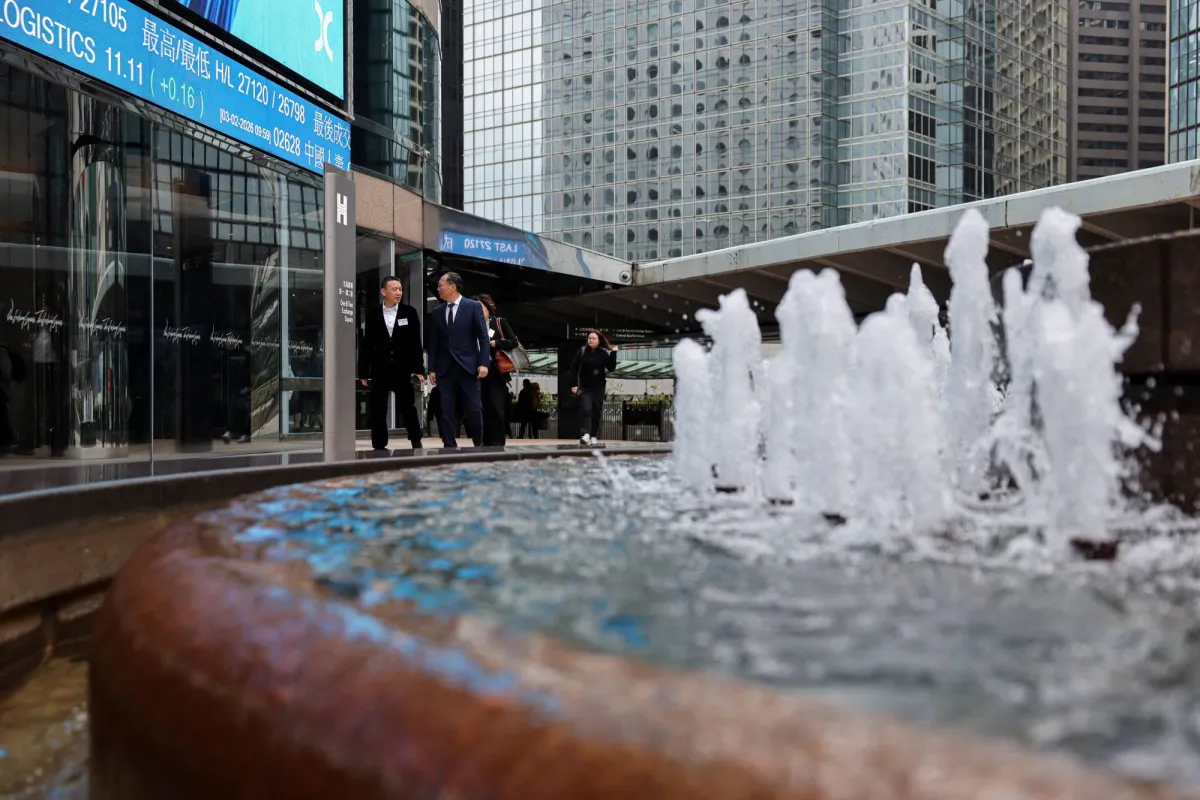
Chinese stocks stabilized on Tuesday, as markets continued to monitor developments related to the war in the Middle East and rising oil prices. Although the impact of these events on the Chinese economy has been limited so far, investors are on the lookout for any changes that may affect the economic landscape.
The Hong Kong market was closed for a public holiday, while the Shanghai Composite Index rose by 0.3%. Conversely, the CSI 300 Index of leading stocks closed unchanged, reflecting a state of relative stability in the market.
Details of the Event
Investors are closely following developments in the Middle East, where the UN Security Council is expected to vote on a resolution aimed at protecting commercial navigation in the Strait of Hormuz. This strait is a vital artery for oil transportation, and any escalation in tensions could significantly impact energy prices.
In a related context, the United States and Iran have exchanged accusations, with President Donald Trump renewing threats of a military strike against Iran unless Tehran reaches an agreement by Tuesday evening. These statements increase uncertainty in global markets.
Background & Context
Ping An Securities reported that the Iranian war continues to dominate global asset prices in the short term. However, the importance of Chinese assets is expected to emerge as a safe haven amid geopolitical disruptions in the medium to long term.
International Monetary Fund Managing Director Kristalina Georgieva confirmed that the war in the Middle East will lead to rising inflation and a slowdown in global growth. Meanwhile, reports from Goldman Sachs indicated that the impact of rising energy prices on economic activity in China has been limited so far.
Impact & Consequences
Energy stocks rose following President Xi Jinping's call to accelerate the planning and construction of a new energy system to ensure the country's energy security. Additionally, shares of Chinese chip manufacturers saw notable jumps as investor expectations grew for stronger political support from Beijing.
Conversely, shares of Chinese automotive companies declined after three Democratic senators urged President Trump to prevent Chinese companies from manufacturing vehicles in the United States. These actions reflect the increasing tensions between China and the United States.
Regional Significance
The impact of the Iranian war extends to the Arab region, where many countries are facing economic challenges due to rising oil prices. International Energy Agency Executive Director Fatih Birol warned that the current oil crisis could be more severe than previous crises, raising concerns about negative effects on developing countries.
Under these circumstances, Arab countries must take proactive steps to address potential economic challenges, especially amid rising inflation rates and declining growth. It is crucial for these nations to remain prepared to face any fluctuations that may arise in global markets.
In conclusion, the situation in Chinese markets remains under observation, as they are directly affected by geopolitical developments. Investors are in a state of anticipation, which may influence their investment decisions in the future.