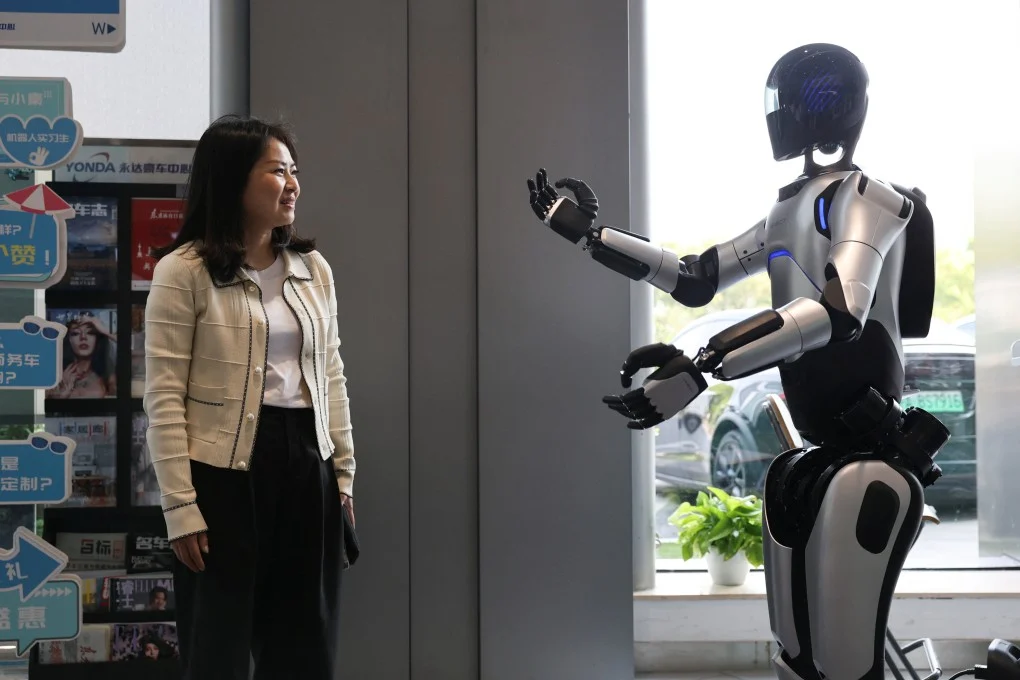
Chinese technology companies, such as Alibaba and Tencent, are striving to enhance the use of AI models in robotics, representing a major shift in the AI landscape. This transition focuses on developing autonomous systems capable of performing tasks in the real world, rather than being limited to digital conversations.
Last week, Alibaba announced the launch of its new model, Qwen3.7-Max, which boasts 'tool-calling' capabilities. This feature allows the model to function as a digital brain capable of activating software components and external hardware. This model can be utilized to control robots by coordinating physical actions such as navigation.
Event Details
This move is part of a larger strategy through which Chinese companies aim to enhance their capabilities in the field of artificial intelligence. With increasing global competition, companies are looking to develop new technologies that will allow them to excel in the market. The Qwen3.7-Max model represents a significant leap in this direction, as it can interact with multiple environments and achieve effective results in task execution.
Attention is now focused on how other companies will respond to this challenge, especially with firms like Tencent also working on developing similar technologies. This competition is expected to accelerate innovations in the fields of robotics and artificial intelligence.
Background & Context
Over the years, China has witnessed remarkable growth in the technology sector, becoming a hub for innovation in areas such as artificial intelligence and digital technology. In recent years, both the government and companies have invested heavily in developing new technologies aimed at improving efficiency and increasing productivity. This shift towards AI-powered robotics reflects China's ambitious vision to become a leader in this field.
Historically, Chinese companies have focused heavily on developing AI applications in areas such as machine learning and data analysis. However, the transition to robotics represents a new phase in this evolution, as developers seek to integrate AI into physical systems.
Impact & Consequences
This trend towards AI-powered robotics is a significant step towards achieving automation across various sectors. This technology could lead to improved efficiency and reduced costs in areas such as manufacturing and logistics. Additionally, the use of robots in daily tasks could contribute to enhancing quality of life.
However, these developments also raise questions about social and economic impacts. Automation may lead to the loss of some traditional jobs, necessitating consideration of how to retrain the workforce to adapt to these changes.
Regional Significance
In the Arab region, this trend could have significant implications. With increasing interest in technology and innovation, Arab countries could leverage these developments to enhance their technological capabilities. AI-powered robots could improve productivity in vital sectors such as agriculture and industry.
Moreover, Arab countries could benefit from collaborating with Chinese companies in this field, opening new avenues for investment and technological development.