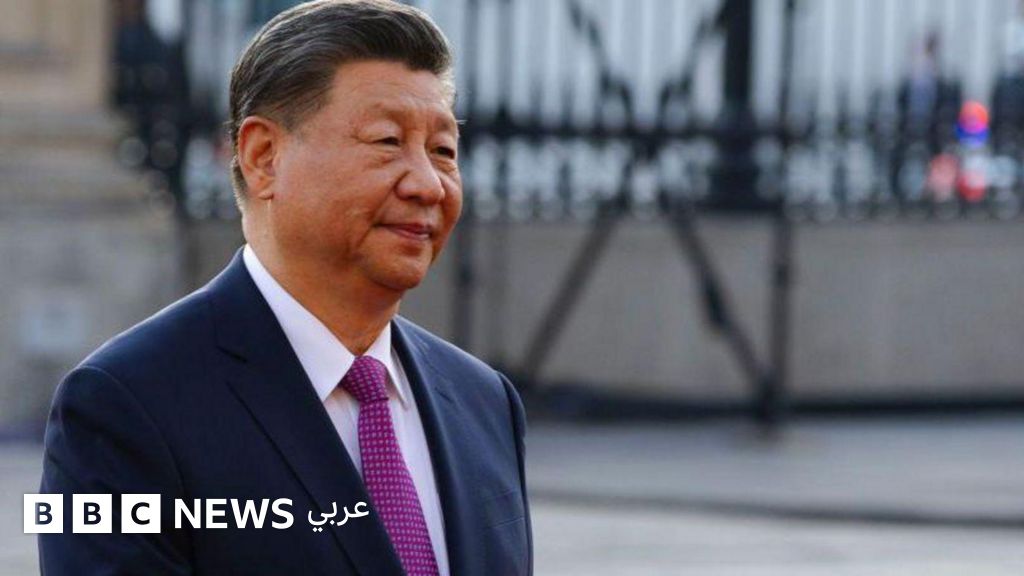
Chinese Trade Minister Wang Wentao expressed serious concern regarding new trade investigations initiated by the United States during his meeting with US Trade Representative Jameson Greer. This comes as both nations seek to stabilize relations ahead of an anticipated presidential summit. This statement highlights the ongoing trade tensions between the world's two largest economies, despite efforts to ease disputes.
During the meeting, a range of trade issues of mutual interest were discussed, where Wang emphasized the importance of dialogue and cooperation in addressing unresolved issues. He pointed out that the US investigations could negatively impact trade relations between the two countries, necessitating urgent steps to avoid exacerbating the situation.
Details of the Meeting
These remarks come at a sensitive time, as US President Joe Biden is expected to hold a summit with his Chinese counterpart Xi Jinping later this month. Both sides hope to make progress in bilateral relations, which have seen increasing tensions in recent years due to issues such as trade, human rights, and regional tensions in the South China Sea.
The United States is seeking to strengthen its trade position through the new investigations, aimed at assessing China's trade practices. Meanwhile, Beijing views these investigations as a threat to its economic interests and fears they could escalate the ongoing trade dispute between the two parties.
Background & Context
Historically, trade relations between the United States and China have experienced significant fluctuations. In 2018, the administration of former President Donald Trump imposed tariffs on a wide range of Chinese goods, leading to a trade war that lasted several years. Although a partial agreement was reached in 2020, tensions have not completely dissipated, as unresolved issues continue to affect relations between the two countries.
China and the United States are among the largest trading partners in the world, with bilateral trade exceeding $1 trillion annually. However, trade and political disputes can significantly impact the global economy, making the stability of relations between them crucial.
Impact & Consequences
The new trade investigations could escalate tensions between the United States and China, potentially affecting global markets. If the United States continues to impose new tariffs, China may retaliate, further exacerbating the trade dispute. This scenario could negatively impact the global economy, as many countries rely on trade with these two economic giants.
Moreover, any escalation in the trade dispute could affect global supply chains, leading to increased prices and reduced options for consumers. Therefore, the stability of relations between the United States and China is vital for achieving sustainable economic growth.
Regional Significance
For the Arab region, trade tensions between the United States and China could impact investments and trade. Many Arab countries rely on trade partnerships with both nations, and any escalation in the dispute could affect the flow of investments and aid. Additionally, stability in trade relations between the United States and China could contribute to enhancing economic stability in the region.
In conclusion, it remains to be seen how relations between the United States and China will evolve in the coming period. Dialogue and cooperation between both sides will be key to avoiding escalation of the dispute and achieving global economic stability.