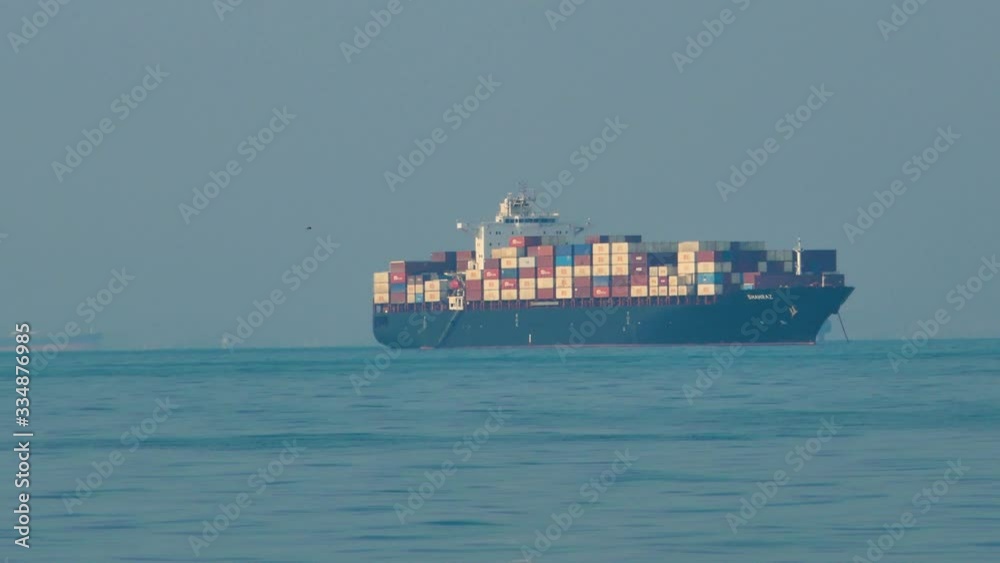
Two Chinese container ships crossed the Hormuz Strait on Monday, one of the world's most important waterways, through which approximately 20% of global oil passes. This move reflects the increasing trade activity between China and regional countries, at a time when the strait is witnessing heightened geopolitical tensions.
The Hormuz Strait is a vital point for global trade, linking the Arabian Gulf with the Gulf of Oman. This crossing is part of China's strategy to enhance its economic presence in the region, especially given the challenges it faces in other markets.
Details of the Event
According to observers, the Chinese ships that crossed the strait were carrying diverse cargoes, indicating the variety of trade relations between China and Gulf countries. This step is part of China's efforts to strengthen its economic partnerships with oil-producing nations, of which China is one of the largest consumers of oil globally.
It is noteworthy that the Hormuz Strait is a crucial transit point for oil and natural gas, with nearly 15 million barrels of oil passing through it daily. This crossing also reflects China's desire to secure energy supplies amid increasing tensions in the region.
Background & Context
Historically, the Hormuz Strait has been a meeting point for many global powers, having witnessed numerous tensions between major countries. In recent years, the strait's importance has increased amid escalating regional conflicts, making it essential to enhance maritime security in the area.
China, which seeks to enhance its influence in the Middle East, has increased its investments in infrastructure and energy in Gulf countries. This crossing comes at a time when China is looking to expand its economic partnerships with Arab nations, particularly under the Belt and Road Initiative.
Impact & Consequences
This crossing could have significant implications for international relations in the region. With the increase in Chinese trade activity, tensions may rise between major powers, especially the United States, which considers itself the protector of its interests in the Gulf.
Moreover, this crossing may enhance cooperation between China and Gulf countries, potentially contributing to greater stability in the region. However, political tensions could affect trade movements in the future, necessitating close monitoring by the concerned nations.
Regional Significance
This event is significant for Arab countries, as it reflects the increasing reliance on trade with China. Gulf nations, which heavily depend on oil exports, may find in this cooperation an opportunity to strengthen their economies and diversify their income sources.
In conclusion, the crossing of Chinese ships through the Hormuz Strait signifies the geopolitical and economic changes taking place in the region. It also highlights the importance of cooperation between Arab countries and China in facing future challenges.