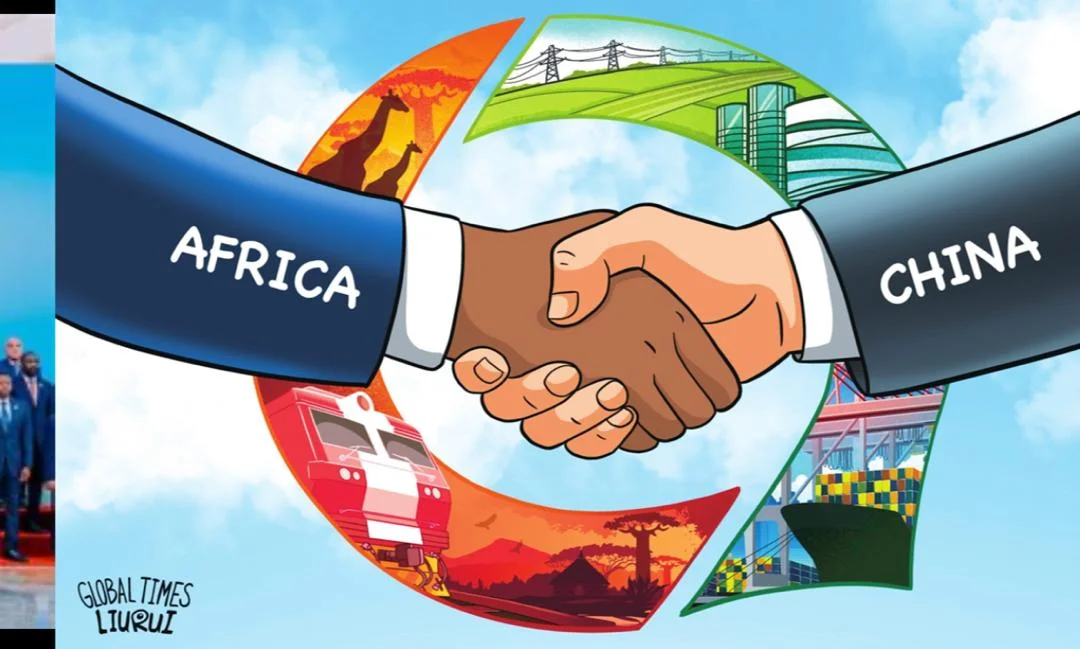
Chinese Vice President Han Zheng has wrapped up a whirlwind African tour that included Kenya, South Africa, and Seychelles from March 24 to 30. This tour was not merely a ceremonial visit; it marked a crucial 'executive' phase aimed at transforming commitments from the China-Africa Cooperation Forum into concrete economic and institutional realities.
Reports indicate that the most significant highlight of this tour is the shift in the Chinese economic mindset towards Africa. After decades of focusing on financing massive infrastructure projects that have burdened some countries with debt, Beijing has begun to adopt a 'mutual benefit' policy by opening its markets to African products.
Event Details
In Kenya, the scene was symbolically significant, as Han Zheng witnessed the launch of the first shipment of Kenyan goods to China, completely exempt from customs duties. The Kenya Standard reported that this step could help boost exports and alleviate pressures on the balance of payments. However, critics warn that opening markets alone is insufficient unless accompanied by support for local production and competitiveness, as well as a review of financing conditions accompanying infrastructure projects.
The second stop in South Africa was politically and economically weighty. With trade volume reaching a record high of over $53 billion by 2025, the relationship between Beijing and Pretoria seems to have evolved from a 'buyer-seller' model to a 'comprehensive strategic alliance.' Han Zheng's chairing of the joint high-level committee reflects Beijing's desire to institutionalize relations, ensuring they are not affected by domestic political fluctuations.
This time, the focus was not solely on mining but extended to artificial intelligence and renewable energy, signaling that China aims to be a partner in industry in Africa, not just a financier of its roads.
The visit to Seychelles was not merely a fleeting diplomatic stop. Amid fierce competition between China and Western powers, as well as India in the Indian Ocean, Beijing's support for the 'blue economy' and sustainable fishing technology in Seychelles sends a message that China is present in vital waterways through 'soft power' and developmental support. China provided a grant of $14.5 million to support housing and social development projects in Seychelles, with discussions focusing on cooperation in sustainable fishing technology and ocean protection.
Background & Context
This tour comes at a time when China faces fierce competition from Western initiatives such as the European 'Global Gateway.' Han Zheng's statements and those of his accompanying delegation emphasized what has been described as the 'institutionalization' of relations through joint committees and mechanisms, while stressing the need for quick results that citizens can feel, such as projects linking regional infrastructure. This blend of institutional mechanisms and rapid implementation initiatives reflects an attempt to combine institutional stability with practical outcomes.
During this tour, Han Zheng sought to redefine the China-Africa partnership for 2026 and beyond, aiming for a partnership that no longer suffices with building bridges and ports, but seeks to establish 'value chains' that allow African products to reach Chinese consumers.
Impact & Consequences
China is attempting to present an alternative development model that links debt stability, trade flow, and technological cooperation, posing a new challenge to Western powers to prove their ability to keep pace with this long-term Chinese momentum on the continent. These Chinese moves could lead to radical changes in the African economic landscape, as African nations seek greater independence in their economic decisions.
Strengthening economic relations between China and Africa could contribute to achieving sustainable development on the continent, but it also requires African countries to be more prepared to develop their production and competitiveness capabilities.
Regional Significance
This Chinese tour serves as an indicator of how global economic relations are evolving, which could impact Arab countries seeking to enhance their economic partnerships with China. China's success in strengthening its partnership with Africa may serve as a model for Arab nations in their pursuit of sustainable economic development.
In conclusion, Han Zheng's tour emerges as a strategic step in enhancing Chinese-African relations, reflecting a shift in Chinese economic policies towards the continent and underscoring the importance of international cooperation in achieving sustainable development.