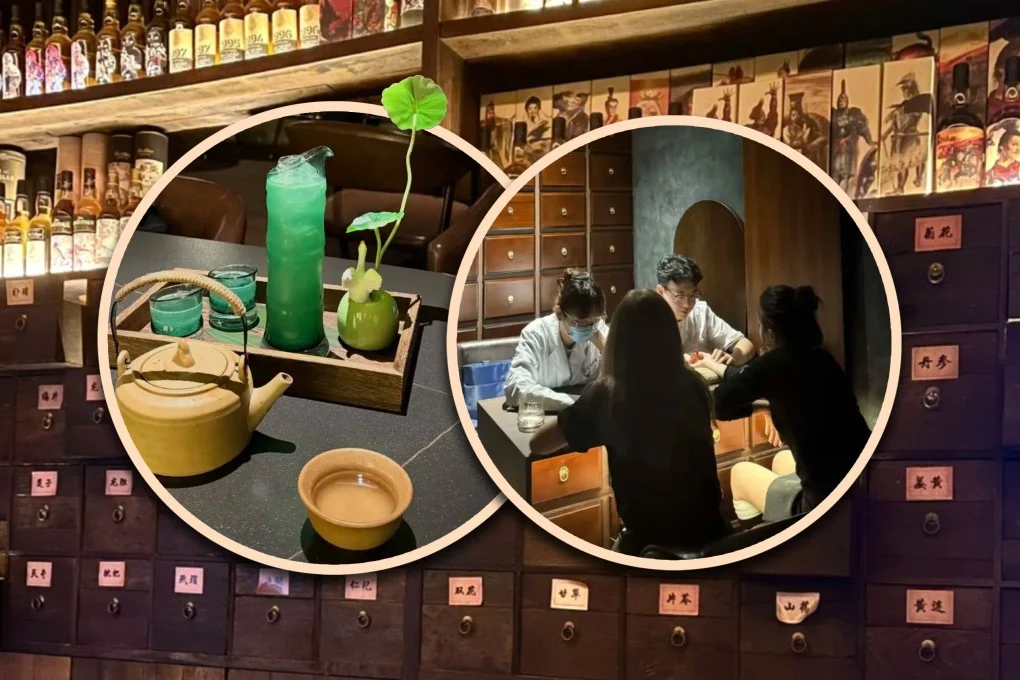
In a notable transformation, some young Chinese are swapping traditional cocktails for drinks at traditional Chinese medicine bars. These venues serve beverages made from medicinal herbs, promising a range of health benefits, from alleviating feelings of sadness to enhancing overall wellness. The bars are set in comfortable atmospheres, where R&B or rock music blends with dim lighting, creating an inviting environment for the youth.
Staffed by bartenders wearing white coats, often certified practitioners of traditional Chinese medicine, each customer begins with a personalized visit. The bartender takes the customer's pulse and asks questions about their lifestyle before preparing a suitable drink.
Details of the Trend
These bars are part of a broader phenomenon known as "punk health," which promotes alternative lifestyles focused on personal well-being. Young people are drawn to these bars due to a desire to try something new away from traditional alcohol, in addition to the potential health benefits offered by the herbs.
The drinks served at these bars include ingredients like ginger, ginseng, and other herbs believed to enhance health. This trend is part of a larger cultural shift in China, where youth are seeking to find a balance between modern life and traditional health care methods.
Background & Context
Historically, traditional Chinese medicine has been an integral part of Chinese culture, with roots extending back thousands of years. However, the increasing interest in alternative medicine in recent years reflects a shift in how young people view health and wellness. Amid rising life pressures, many are searching for new ways to cope with stress and anxiety.
Studies show that Chinese youth now prefer healthy lifestyle choices, leading to a surge in demand for natural products and alternative therapies. This trend aligns with global shifts towards healthier and more sustainable living.
Impact & Consequences
This trend towards traditional medicine bars signifies a deeper change in the health culture in China. With growing awareness of the importance of mental and physical health, this shift may lead to increased interest in traditional medicine in other communities worldwide.
Moreover, this phenomenon could contribute to the growth of health tourism, as bars offering these beverages may attract visitors from around the globe, boosting the local economy and raising awareness of traditional Chinese culture.
Regional Significance
While traditional Chinese medicine remains unfamiliar to many Arab cultures, the rising interest in healthy lifestyles could also impact Arab youth. Young people in the region may draw inspiration from this phenomenon to adopt more balanced health practices, enhancing awareness of the importance of mental and physical health care.
Ultimately, this trend illustrates how different cultures can interact and exchange ideas about health and wellness, paving the way for broader cultural dialogue.