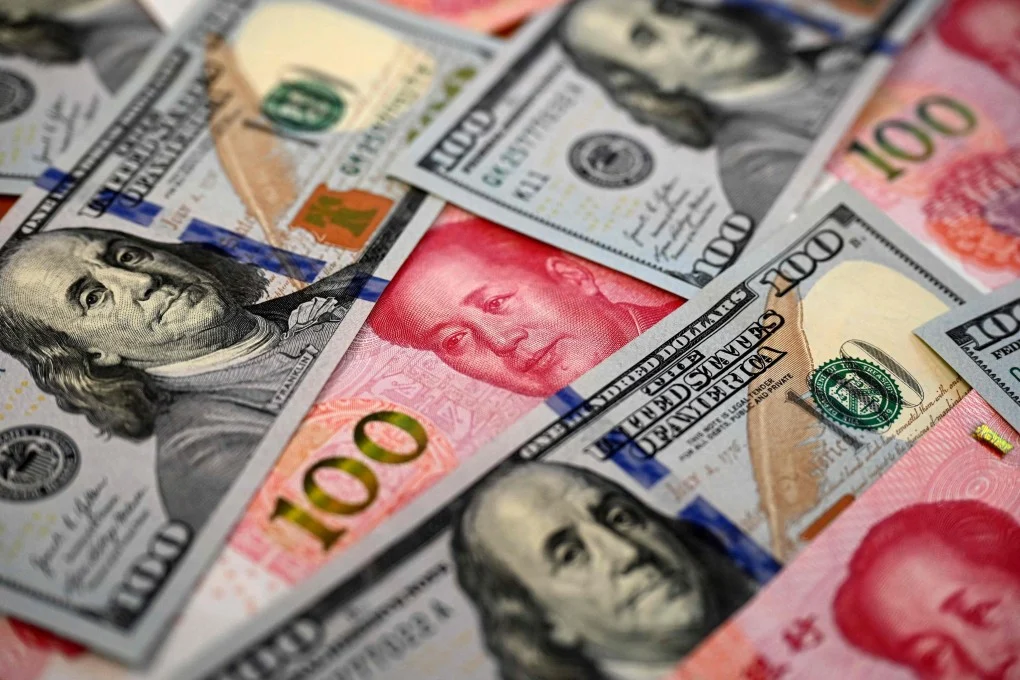
Recent reports suggest that the Chinese yuan may be gaining global traction faster than traditional Western data indicates. Analysts have reported that an increasing share of financial transactions is being processed through China's cross-border payment system, which is not fully accounted for in conventional data.
This development may help explain the gap between Beijing's official narrative, which describes the yuan as the world's third-largest currency in terms of payments, and the readings provided by tracking systems like SWIFT.
Details of Yuan's Global Usage
Data shows that the yuan has become more widely used in international transactions, with more payments being routed through the Chinese system. This system is seen as a potential alternative to traditional payment systems dominated by Western currencies, reflecting a shift in the global financial landscape.
The importance of the yuan in global markets is increasing as Beijing seeks to enhance the use of its currency in international trade. Reports have indicated that the yuan has ranked high among currencies used in international payments, reflecting new trends in the global economy.
Background & Context
For several years, China has been promoting the role of the yuan on the international stage, aiming to reduce its reliance on the US dollar. The Chinese government has launched several initiatives to boost the use of the yuan in international trade, including bilateral agreements with other countries to facilitate transactions in yuan.
Historically, Western currencies, especially the US dollar, have dominated international transactions. However, with China's rise as an economic power, other countries have begun to reassess their financial and trade strategies, leading to an increased use of the yuan in global markets.
Impact & Consequences
The increased use of the yuan could lead to a radical change in the global financial system, potentially reducing the dominance of the US dollar. This shift may open the door for other currencies to become more widely used in international trade, reflecting a transformation in global economic dynamics.
Moreover, this development could impact the monetary policies of other countries, as central banks may need to reevaluate their strategies for managing cash reserves. The growing use of the yuan could also enhance China's economic power on the international stage.
Regional Significance
The rise of the yuan is particularly significant for countries in the Arab region, as it may strengthen economic ties between China and Arab nations. Increased transactions in yuan could facilitate trade and investment opportunities, fostering closer economic relationships.
In conclusion, the growing role of the yuan in global payments reflects a shift in the financial system and influences countries' strategies in trade and finance, particularly in the context of reducing reliance on the US dollar.