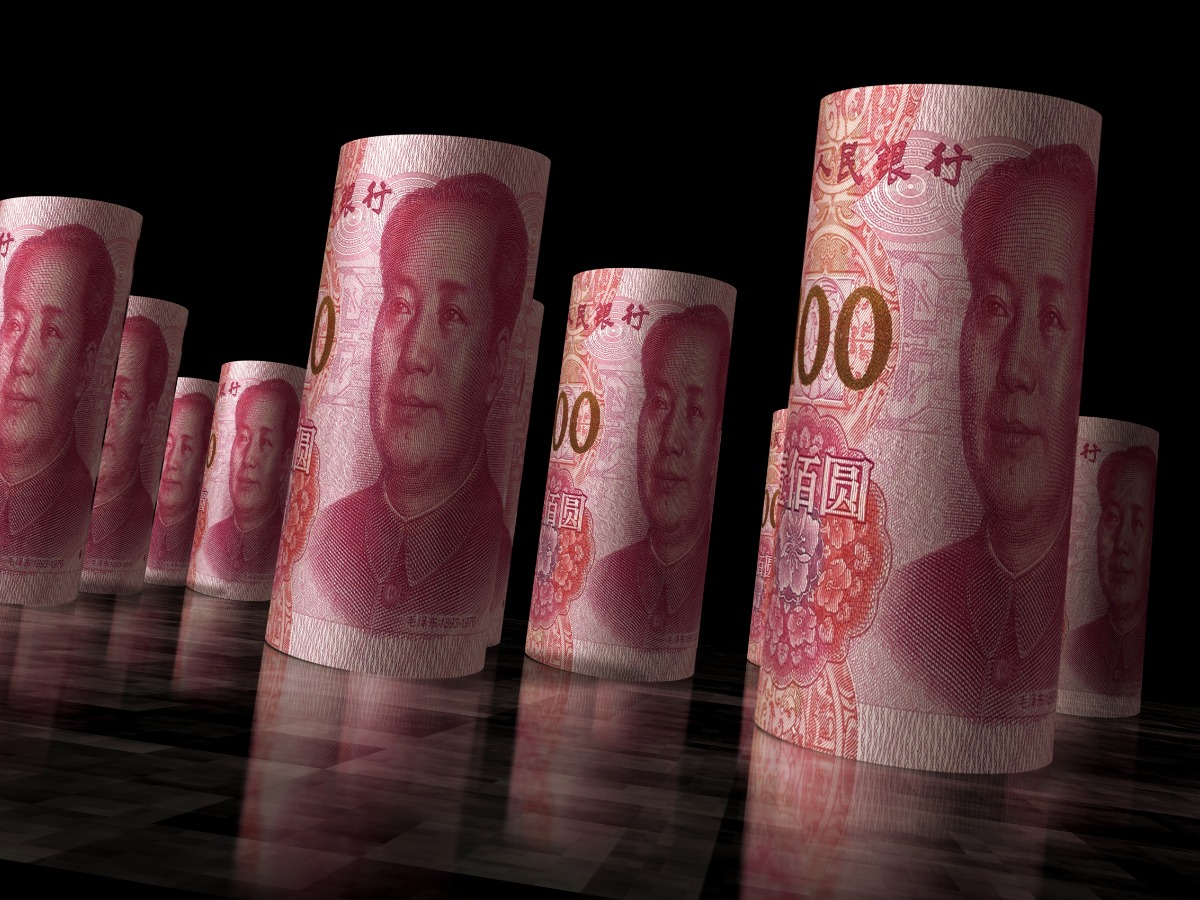
The Chinese yuan has recorded a notable increase, reaching its highest level in three years, following the cessation of hostilities in the Middle East. This calm has contributed to easing geopolitical tensions, leading to enhanced confidence in the Chinese economy.
The yuan, considered one of the major currencies in the world, has seen a significant appreciation against the US dollar, reflecting relative stability in financial markets. This stability has bolstered China's foreign trade, making the yuan more attractive to international investors.
Details of the Recent Developments
Recently, the Middle Eastern region has experienced a period of relative calm after a series of conflicts that affected regional stability. This tranquility has improved trade relations between China and Arab countries, resulting in increased demand for the yuan as a trade currency.
Reports indicate that the yuan has risen by as much as 1.5%, reaching 6.45 yuan per US dollar. This increase also reflects growing confidence in the Chinese economy, which is beginning to recover from the impacts of the COVID-19 pandemic.
Background & Context
Historically, China has made significant efforts to promote the use of the yuan in international trade. Since 2016, the yuan has been included in the basket of currencies that determine Special Drawing Rights at the International Monetary Fund, enhancing the importance of the Chinese currency on the global stage.
This inclusion has not only elevated the yuan's status but also encouraged its use in international transactions, further integrating China into the global economy.
Impact & Consequences
The current rise in the value of the yuan may have positive implications for the Chinese economy, as it could lead to an increase in foreign investments. Additionally, the stability of the currency may foster greater confidence among investors, thereby promoting economic growth.
As the yuan strengthens, it may also facilitate trade and investment opportunities between China and other nations, particularly in the Arab world, where economic ties are becoming increasingly significant.
Regional Significance
The strengthening of the yuan is a clear indicator of the growing economic ties between China and the Middle East. As trade relations improve, both regions stand to benefit from increased economic cooperation and investment.
This development is crucial not only for China but also for the Arab nations, as it opens new avenues for trade and investment, fostering a more interconnected global economy.
In conclusion, the rise of the yuan amidst a backdrop of geopolitical calm in the Middle East signifies a pivotal moment for both the Chinese economy and its international relations, particularly with Arab countries.