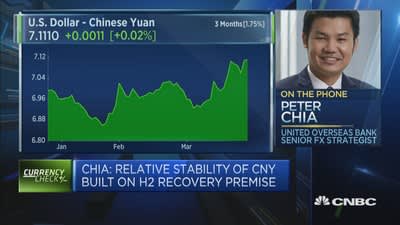
The Chinese Yuan is preparing to overcome the typical seasonal declines in the second quarter of the year, as the resilience of the Chinese economy has strengthened in the face of the repercussions of the war in Iran. Forecasts suggest that the Chinese economy has begun to recover, which may contribute to supporting the value of the Yuan in global markets.
These expectations coincide with the Chinese government's efforts to boost economic growth, as recent data has shown improvements in industrial and commercial activity. These factors contribute to enhancing confidence in the Chinese currency, which may lead to its stabilization or even an increase in value in the upcoming period.
Event Details
Historically, the Chinese Yuan has experienced significant fluctuations during the second quarter of each year, influenced by seasonal factors such as export demand. However, the current situation appears different, as reports indicate that the Chinese economy may be recovering from the effects of the pandemic and the war in Iran, thereby strengthening the currency.
The Chinese government is striving to achieve economic stability through the implementation of stimulus policies, reflecting its commitment to supporting growth. These policies include increasing spending on infrastructure and enhancing foreign investments, which could contribute to boosting the value of the Yuan.
Background & Context
Over the past years, global currencies have been affected by numerous crises, including military conflicts and economic downturns. The war in Iran, in particular, has impacted global markets; however, China has managed to maintain relative stability in its economy. This is partly due to its flexible economic strategies.
Historically, China relied on its exports to support its economic growth, but with changing global conditions, it has begun to diversify its economy and increase reliance on domestic consumption. This shift has helped reduce the impact of external crises on the Yuan.
Impact & Consequences
If the Yuan continues to recover, it could lead to positive effects on the global economy. The stability of the Chinese currency may enhance international trade and increase foreign investments in China. Additionally, a strong Yuan could contribute to improving trade relations with other countries, bolstering China's position as a global economic power.
However, caution is warranted as any fluctuations in political or economic conditions could affect this trend. External factors, such as military conflicts or economic crises in other countries, may reshape the economic landscape.
Regional Significance
China is considered one of the largest trading partners for Arab countries, with increasing Chinese investments in the region. If the Yuan continues to recover, it may lead to enhanced economic cooperation between China and Arab states, contributing to economic growth in the region.
Furthermore, the stability of the Yuan could improve trade between Arab countries and China, enhancing investment and mutual trade opportunities. In light of global economic challenges, these opportunities may be crucial for supporting growth in the region.