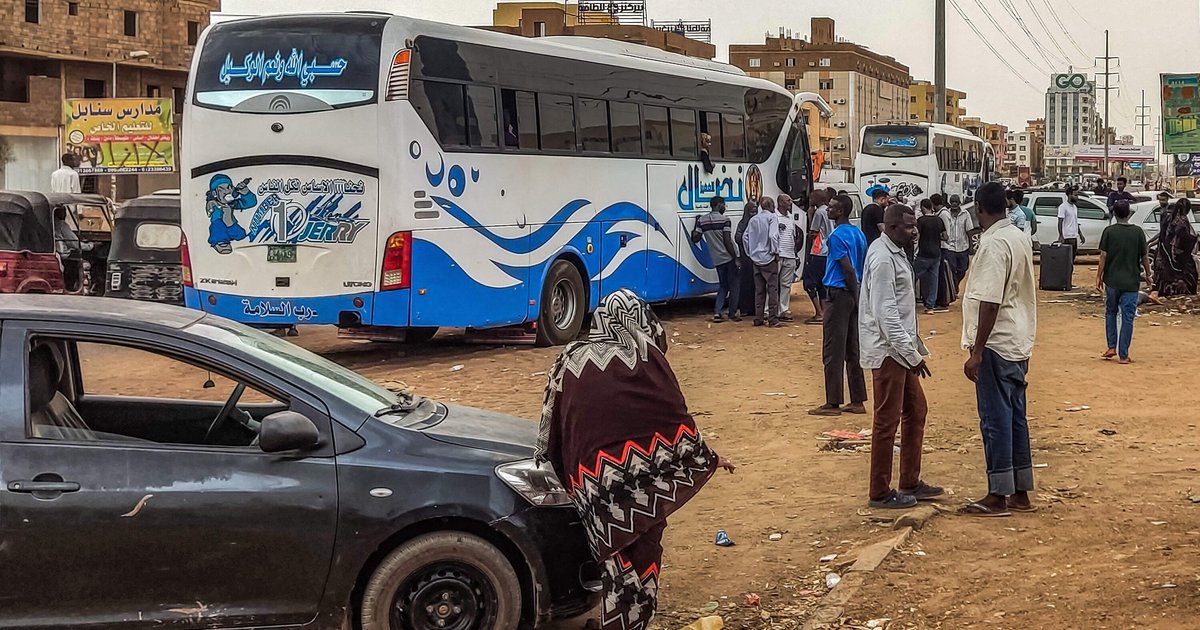
On Tuesday, civil trials continued in the Sudanese capital Khartoum and other cities, where individuals were arrested for raising anti-Muslim Brotherhood slogans, which is classified as a terrorist organization. These trials come at a sensitive time, as fears grow over the use of violence and retaliation against political opponents in the country.
These events are recorded within the context of escalating political and security tensions in Sudan, where authorities accuse the Al-Baraa Brigade, the military wing of the Brotherhood, of committing acts of violence targeting its political rivals. This situation has raised widespread concern among human rights and political circles, as these trials are seen as part of a broader strategy to suppress dissent.
Details of the Trials
The trials are taking place under charged conditions, with the detainees accused of raising anti-Brotherhood slogans, which the regime considers a threat to public security. These individuals were arrested amid popular protests against the organization's policies, raising questions about the independence of the judiciary in the country.
At the same time, reports are increasing about the Al-Baraa Brigade's use of violence as a means of settling political scores. Local sources have reported instances of physical assaults and threats faced by opponents, further heightening tensions in the Sudanese streets.
Background & Context
Historically, Sudan has witnessed multiple political and security conflicts, especially following the ousting of former President Omar al-Bashir in 2019. Since then, the country has entered a complex transitional phase, with multiple political forces competing for power. As the influence of the Brotherhood has increased, fears of a return to political violence have also risen.
The Al-Baraa Brigade is considered part of the internal conflicts, viewed as a tool to pressure opponents. Numerous incidents have been documented indicating that this brigade uses violence as a means to control dissent, reflecting a complex reality that requires international intervention to protect human rights in Sudan.
Impact & Consequences
These trials indicate a dangerous shift in the Sudanese political landscape, where the judiciary is being used as a tool to suppress opposition. This could exacerbate the humanitarian and political situations in the country and increase distrust between the government and citizens.
Furthermore, the continuation of these trials may negatively impact Sudan's international relations, potentially leading to sanctions or diplomatic pressures from the international community. This situation may also raise concerns among neighboring countries, which are closely monitoring developments in Sudan.
Regional Significance
The events in Sudan reflect larger challenges faced by many Arab countries, where fears are growing over the use of political violence against opponents. What is happening in Sudan may serve as a model or a warning for other countries experiencing internal conflicts.
Ultimately, the situation in Sudan requires close monitoring, as it necessitates international and regional efforts to protect human rights and ensure a peaceful transfer of power. The continuation of these trials could place Sudan on the brink of a new crisis, necessitating international community intervention to ensure the country's stability.