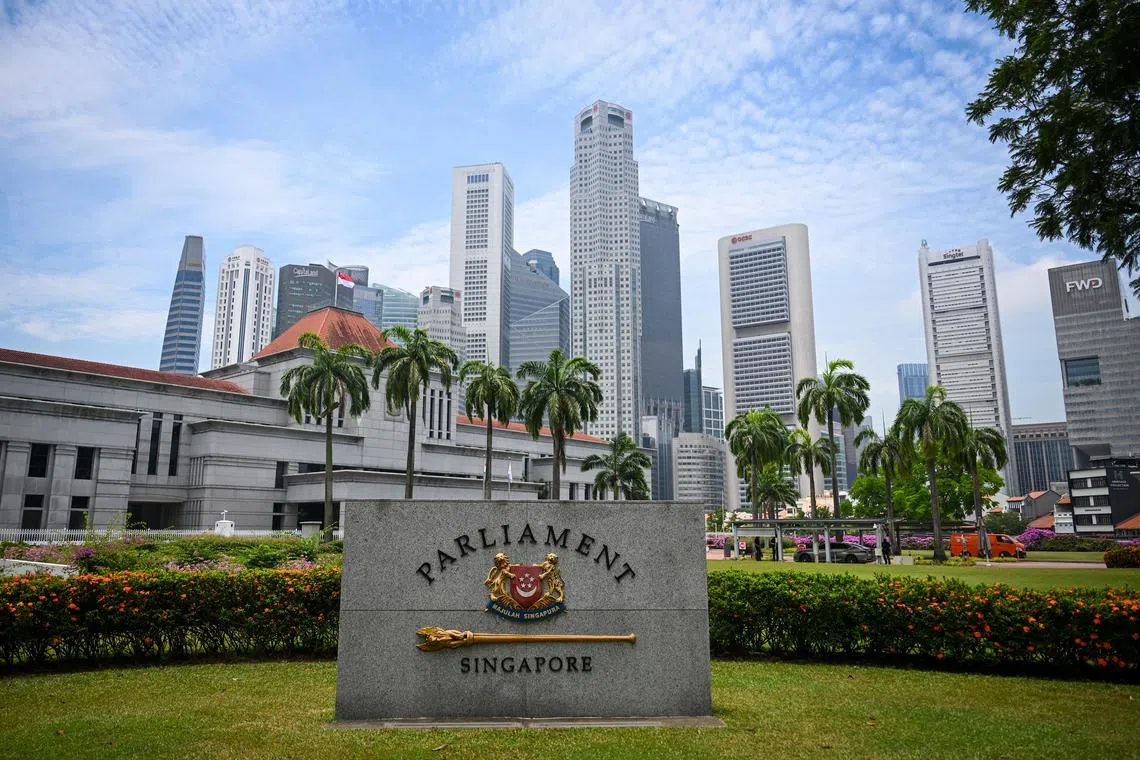
The Ministry of Interior announced that the fees collected by government agencies are not considered illegal, in an official clarification that followed extensive discussions in parliament regarding the diverse amendments bill. This statement aims to set the record straight after the bill sparked widespread debate among lawmakers and citizens alike.
The remarks came at a sensitive time, as there was growing concern regarding the management of public funds and the transparency of government financial operations. The ministry's spokesperson emphasized that all collected fees comply with existing laws, and that the government is committed to transparency and accountability.
Details of the Parliamentary Session
During the parliamentary session, numerous questions were raised about the legality of the fees imposed by the government, leading to heated discussions among members. Some lawmakers expressed concerns that these fees could negatively impact citizens, while others defended their necessity for funding public services.
In this context, the ministry clarified that the fees are directly used to improve services provided to citizens, such as education, healthcare, and infrastructure. It also confirmed that there are mechanisms for review and auditing to ensure that these fees are not exploited.
Background & Context
Historically, many countries have witnessed similar discussions regarding government fees, as this topic is highly sensitive and affects trust between the government and citizens. In recent years, pressures have increased on governments to be more transparent in how public funds are managed, leading to the emergence of new laws aimed at enhancing accountability.
This trend reflects a broader global movement towards greater transparency in governance, where citizens demand more clarity on how their taxes and fees are utilized. The ongoing discussions in parliament are part of this larger narrative, highlighting the need for governments to engage with their constituents on financial matters.
Impact & Consequences
This statement is expected to have a significant impact on future discussions regarding financial transparency within the government. It may help alleviate concerns raised in parliament, potentially leading to increased trust between the government and citizens. Furthermore, this clarification could influence how the government addresses financial issues in the future, playing a role in shaping upcoming financial policies.
As the government navigates these discussions, the emphasis on transparency and accountability will be crucial in maintaining public confidence. The ministry's commitment to ensuring that fees are used effectively could foster a more positive relationship with the public.
Regional Significance
The implications of this clarification extend beyond national borders, as regional governments face similar challenges in managing public finances. The ongoing debates about fees and transparency resonate with citizens across the region, who are increasingly demanding accountability from their governments.
As governments strive to balance fiscal responsibilities with public expectations, the lessons learned from this situation could inform policy decisions in neighboring countries. The emphasis on transparency may serve as a model for other governments grappling with similar issues.