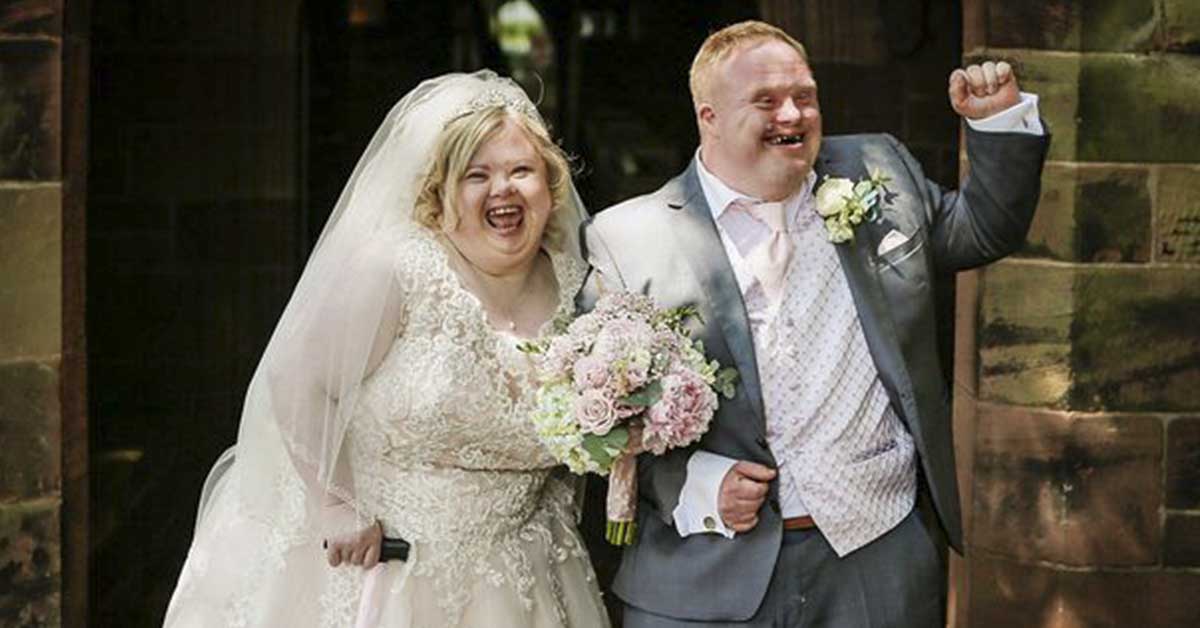
The Egyptian Fatwa House announced in an official statement that marriage does not necessitate complete mental capacity, indicating that individuals with Down syndrome can indeed marry. This statement reflects a positive trend towards integrating people with disabilities into society.
These remarks come at a time when awareness of the importance of the rights of individuals with disabilities is increasing, as communities strive to support and empower them to lead normal lives. The Fatwa House emphasized that marriage is a human right and should be accessible to everyone, regardless of their health or mental condition.
Details of the Announcement
In this context, the Fatwa House clarified that the legal ruling on marriage does not solely depend on complete mental capacity but also on the ability to bear responsibility and commitment. This clarification followed multiple inquiries about the possibility of marriage for individuals with Down syndrome.
The Fatwa House also affirmed that marriage is a significant social matter that strengthens family ties and contributes to community stability. This approach also reflects a shift in societal perceptions towards individuals with disabilities.
Background & Context
Historically, individuals with Down syndrome have faced significant challenges in many societies, where negative perceptions dominated their rights. However, in recent years, many countries have begun to change this outlook, leading to improved rights and increased awareness of their issues.
The statements from the Fatwa House represent an important step towards enhancing the rights of individuals with disabilities, as they help to change misconceptions about them and open new doors for their participation in society.
Impact & Consequences
This statement is expected to have a positive impact on the lives of many individuals with Down syndrome, potentially encouraging them to consider marriage and start families. Furthermore, this trend may contribute to changing societal perceptions towards them, thereby enhancing their acceptance and integration into the community.
Additionally, this approach may lead to increased awareness of the rights of individuals with disabilities, motivating society to provide more support and services for them.
Regional Significance
This step is significant not only in Egypt but throughout the Arab region, where many countries face similar challenges regarding the rights of individuals with disabilities. These statements may encourage other countries to take similar steps to promote the rights of these individuals.
Enhancing the rights of individuals with disabilities in marriage can contribute to building more inclusive and accepting communities, reflecting progress in social and cultural thinking in the region.
The statement from the Egyptian Fatwa House regarding marriage for individuals with Down syndrome represents an important step towards promoting the rights of individuals with disabilities and reflects a positive change in societal perceptions towards them.