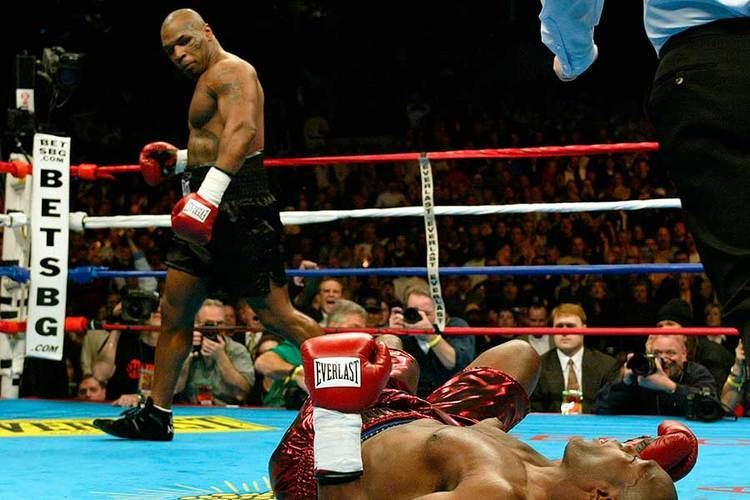
American boxer Clifford Etienne's career shifted from great promise to a true tragedy following a brief bout against the legendary Mike Tyson. On February 22, 2003, Etienne faced heavyweight champion Tyson in what was considered the most significant fight of his career, but events took a tragic turn just 49 seconds into the match.
At the start of the bout, both fighters exchanged punches enthusiastically, but Tyson quickly landed a powerful blow that sent Etienne crashing to the canvas. The British site "Give Me Sport" described this defeat as the beginning of a sharp decline in Etienne's professional and personal life.
Details of the Event
Following that defeat, a series of losses began to plague Etienne, as he lost to Calvin Brock and Nikolai Valuev in 2005. These losses were not just sporting results; they marked the onset of greater issues in his personal life.
On August 11, 2005, American police arrested Clifford Etienne after he became involved in a series of violent crimes, including the robbery of a check-cashing store and attempted carjackings at gunpoint. He was also accused of attempting to shoot police officers, leading to serious charges against him.
Background & Context
Etienne's history in the boxing world was filled with hope, as he was considered one of the most promising talents at the beginning of the millennium. However, after that defeat against Tyson, his career began to spiral downward, reflecting how a single moment can drastically affect a person's life.
Etienne's story embodies the challenges athletes face after their professional careers end, as many find themselves in difficult situations. This narrative is not unique; it is echoed by numerous athletes who struggle to adapt to life post-retirement.
Impact & Consequences
The court sentenced Etienne to 160 years in prison, but the sentence was later reduced to 105 years without the possibility of parole. This punishment reflects the severity of the crimes he committed and highlights the legal and social challenges faced by individuals involved in criminal activities.
Etienne's case illustrates how psychological and financial pressures can lead to destructive decisions. His story raises questions about how to support athletes after retirement, as many need assistance in rebuilding their lives.
Regional Significance
The story of Clifford Etienne serves as a warning to many young people in the Arab region who aspire to achieve their dreams in sports. There should be psychological and social support programs for athletes, especially after their professional careers end.
This narrative also underscores the importance of guidance and mentorship in athletes' lives, as it can help them avoid slipping into dangerous paths. We must learn from the experiences of others to ensure a better future for the coming generations.