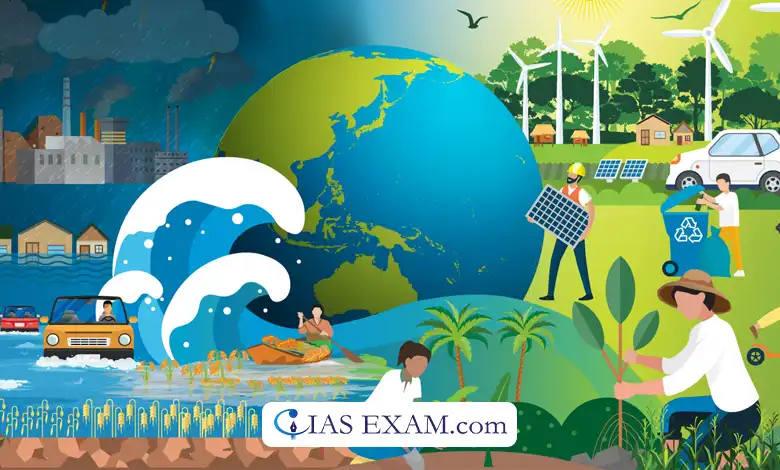
A recent report issued by an international environmental organization has unveiled the escalating risks confronting the Asia-Pacific region as a result of climate change. The report indicates that climatic changes are leading to rising sea levels and an increase in the frequency of natural disasters, threatening the lives of millions of residents in this vital area.
The report, released at an international climate conference, emphasizes the urgent need for action to protect communities and the environment. It also noted that countries in this region, including small island nations, are the most vulnerable to the adverse effects of climate change, necessitating an immediate response from governments and the international community.
Event Details
According to the report, the rise in global temperatures is causing glaciers to melt and sea levels to increase, threatening coastal cities and communities that rely on marine resources. The report also highlighted that floods, droughts, and severe storms have become more common, putting additional pressure on infrastructure and essential services.
The report also addressed the impacts of climate change on agriculture and food security in the region, predicting significant effects on crop yields, which could lead to food shortages and rising prices. Experts warned that these changes could exacerbate poverty and social instability in many countries.
Background & Context
The Asia-Pacific region is considered one of the most affected areas by climate change, home to more than half of the world's population. Historically, this region has experienced numerous natural disasters, but current climatic changes are placing additional pressures on countries already facing economic and social challenges.
In recent years, international calls for cooperation in addressing climate change have increased, leading to the organization of several global conferences and summits. However, significant gaps remain in the commitments and funding necessary to effectively tackle these challenges.
Impact & Consequences
The report highlights that failing to take immediate action could exacerbate humanitarian and environmental crises in the region. The economic impacts of climate change could lead to reduced economic growth and increased unemployment rates.
Furthermore, countries that rely on tourism as a primary source of revenue may face significant challenges due to climate change, as natural disasters could lead to a decline in tourist numbers and the destruction of tourism infrastructure.
Regional Significance
While the report focuses on the Asia-Pacific region, the effects of climate change also extend to the Arab region. Many Arab countries face similar challenges, such as rising temperatures and water shortages, necessitating regional and international cooperation to address these issues.
Under these circumstances, Arab countries must enhance their strategies for adapting to climate change and work on developing sustainable environmental policies that ensure the protection of natural resources and improve the quality of life for their populations.