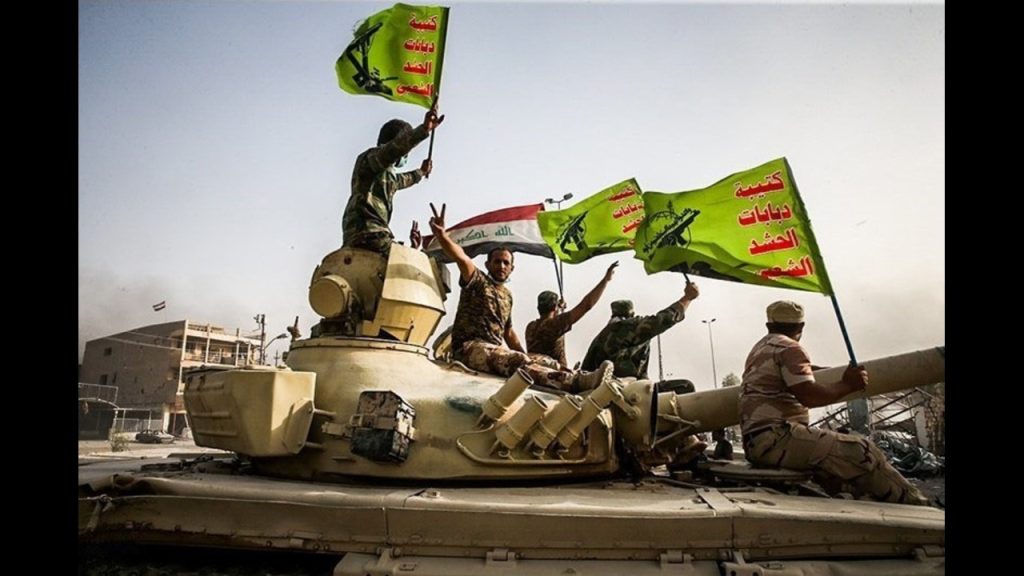
The closure of Iraq's national airspace continues as local sources report the killing of a brigade commander in the Popular Mobilization Forces and injuries to four others amid escalating tensions in the country. This escalation comes at a time when Iraq is facing multiple security and political challenges, raising concerns about the stability of the situation in the region.
Fears are growing regarding the implications of these events on Iraq's security situation, especially with ongoing tensions between armed factions and government authorities. The national airspace has been closed as a precautionary measure, reflecting a state of anxiety and confusion within security circles.
Details of the Incident
In detail, the brigade commander who was killed held a senior position in the Popular Mobilization Forces, a military formation comprising various armed factions established to combat ISIS. The incident occurred during clashes in a hot zone, where confrontations between government forces and armed factions have intensified.
Reports indicate that the incident may be linked to the recent escalation in military operations against armed groups, further complicating the security landscape in Iraq. The decision to close the national airspace was taken as a precautionary measure, reflecting the state of emergency the country is experiencing.
Background & Context
Over the past years, Iraq has witnessed a series of security and political crises, as the country continues to suffer from the repercussions of the war against ISIS. Despite the military victories achieved by Iraqi forces, armed factions still pose a threat to security and stability.
Historically, the Popular Mobilization Forces have been part of government efforts to address security challenges, but the growing influence of these factions has led to differing opinions regarding their role and impact on the Iraqi government. This divergence reflects the political and social divisions within the country.
Impact & Consequences
Political circles anticipate that these events will lead to further tensions between the government and armed factions, potentially hindering stabilization efforts in Iraq. Additionally, the ongoing closure of airspace may affect air travel and movement, increasing economic pressures on the country.
Moreover, these events could escalate military operations in hot zones, exacerbating civilian suffering and impacting their daily lives. The psychological and social effects of these events may be profound, as citizens live in a state of anxiety and fear for the future.
Regional Significance
The situation in Iraq serves as an indicator of the security challenges faced by many Arab countries. Internal tensions in Iraq could affect the stability of neighboring countries, especially with armed factions that may seek to expand their influence in the region.
Furthermore, the ongoing crises in Iraq could negatively impact peace and stability efforts in the Middle East, necessitating greater international attention to assist Iraq in overcoming these crises.
In conclusion, the situation in Iraq remains complex, with security, political, and social dimensions intertwining, requiring a comprehensive response from the government and the international community to ensure the country's stability.