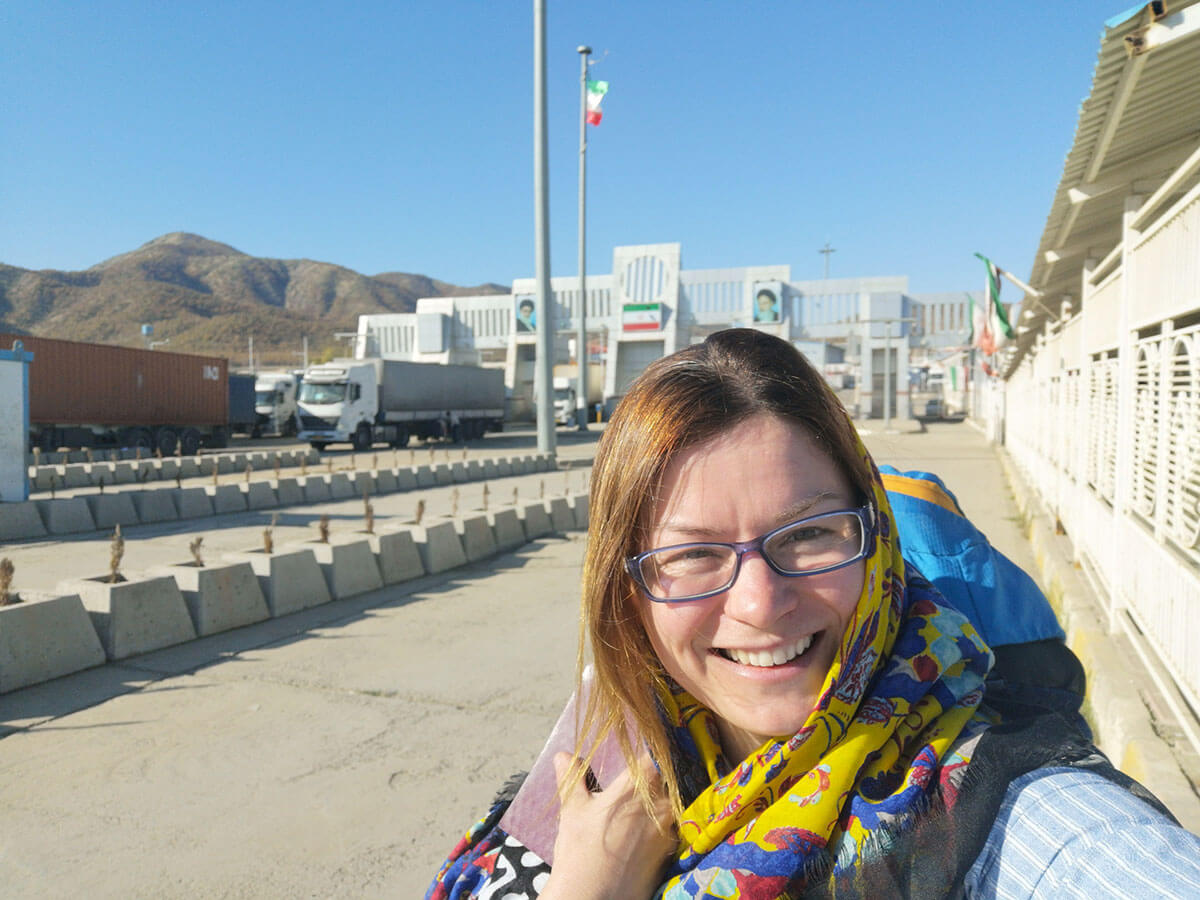
The Iraqi government has announced the closure of the Shalamcheh border crossing, which is considered one of the main trade routes with Iran, following airstrikes that targeted sites in the area. This decision comes at a sensitive time when relations between Iraq and Iran are experiencing heightened tensions, raising concerns about the impact on trade and the economy in both countries.
The crossing, located in Basra province, is heavily utilized for the exchange of goods and commodities between Iraq and Iran, and is considered a vital artery for the Iraqi economy. The closure decision followed a series of airstrikes that targeted sites in Iran, leading to an escalation of tensions in the region.
Details of the Incident
In recent days, the area surrounding the Shalamcheh crossing has witnessed increased military activity, with airstrikes targeting sites believed to be associated with Iranian forces. This escalation has raised concerns for the Iraqi government, which is striving to maintain stability in the country and avoid any military escalation that could affect its security and safety.
The Iraqi-Iranian relations are complex, combining economic cooperation with political tensions. The closure decision comes at a sensitive time as Iraq seeks to strengthen its relationships with neighboring countries amid the economic challenges it faces.
Background & Context
Historically, the Shalamcheh crossing has played an important role in trade between Iraq and Iran, especially following the lifting of sanctions on Iran in recent years. The crossing has seen a significant increase in trade activity, being a major transit point for goods and commodities. However, political and security tensions in the region may impact this movement.
In recent years, the relationship between Iraq and Iran has experienced fluctuations, with overlapping political and economic interests. Regional events, such as conflicts in Syria and Yemen, have influenced these relations, making them more complicated.
Impact & Consequences
The closure of the Shalamcheh crossing could have negative effects on the Iraqi economy, as many traders and importers rely on this crossing to meet their needs. Additionally, this decision may affect the prices of goods in the Iraqi market, increasing economic pressures on citizens.
Moreover, this closure could escalate tensions between Iraq and Iran, as Iran may take countermeasures to influence the Iraqi government. This could further complicate the security situation in the region and impact Iraq's stability.
Regional Significance
The closure of the Shalamcheh crossing is part of a larger picture of regional tensions affecting neighboring countries. Iraq, as a significant player in the region, may have a role in shaping regional policies. This decision could impact relations between Iraq and Gulf countries, which are closely monitoring the situation.
Under these circumstances, regional cooperation is essential to maintain stability. Arab countries must work together to avoid escalation and ensure the region's stability.