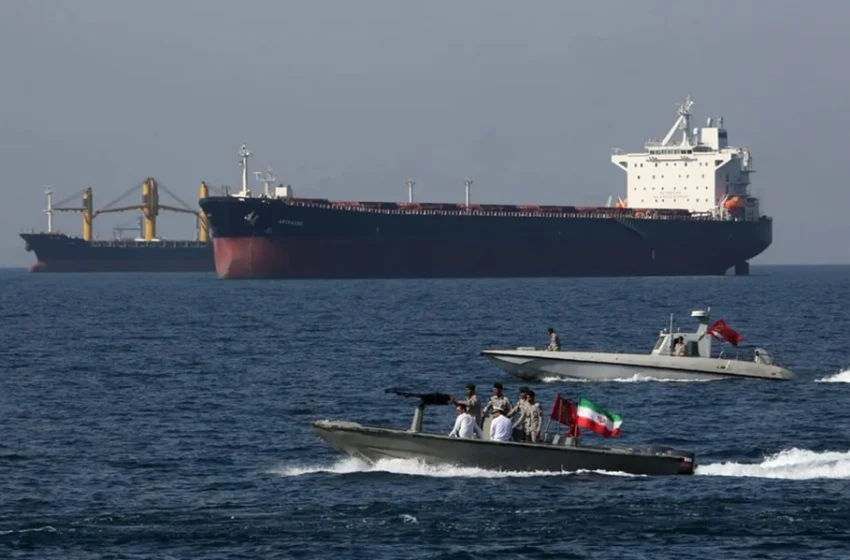
The closure of the Strait of Hormuz has significantly slowed Iraqi oil exports, posing a threat to the national economy and reflecting geopolitical tensions in the region. Iraq, heavily reliant on oil revenues, faces new challenges under these circumstances.
Iraqi oil exports are considered one of the most important sources of income for the country, representing a large percentage of total government revenues. With the closure of the Strait of Hormuz, which is regarded as one of the most important maritime routes for oil transportation globally, Iraq is facing significant difficulties in exporting its oil to international markets.
Details of the Event
Reports indicate that the closure of the Strait of Hormuz has led to a significant reduction in commercial shipping traffic, negatively impacting Iraqi oil exports. This strait is a vital transit point for transporting oil from Gulf countries to global markets, and any closure can lead to a rise in global oil prices and increased pressure on the Iraqi economy.
Currently, Iraq is attempting to seek alternatives for exporting its oil, but the available options are limited. Iraq heavily relies on maritime ports for oil exports, and any disruption in these ports can lead to severe revenue losses.
Background & Context
Historically, the Strait of Hormuz has witnessed numerous crises and geopolitical tensions, being a strategic point in the Arabian Gulf region. In recent years, tensions have escalated between Iran and the United States, affecting navigation in the strait. Iraq, as a neighboring country to Iran, finds itself in a sensitive position, where any escalations in the region could impact its oil exports.
Moreover, Iraq relies on stable oil prices to ensure the sustainability of its economy, as oil revenues are the primary source of government financing. Any decline in these revenues could exacerbate economic and social crises in the country.
Impact & Consequences
The repercussions of the closure of the Strait of Hormuz extend beyond Iraq, potentially affecting global oil prices. If the closure continues for an extended period, we may witness a rise in oil prices, impacting the global economy and increasing pressure on oil-importing countries.
The economic impacts may also include an increase in unemployment rates in Iraq, as many citizens rely on the oil sector for their livelihoods. Additionally, this situation could exacerbate political crises in the country, as political groups may exploit the situation to stir national sentiments or demand changes in government policies.
Regional Significance
The Arab region, in general, is sensitive to any changes in oil prices or export flows. Iraq is not the only country dependent on oil; other nations such as Saudi Arabia, Kuwait, and the UAE may also be affected by this closure. Any rise in oil prices could lead to increased tensions between importing and exporting countries.
In conclusion, the closure of the Strait of Hormuz represents a significant challenge for Iraq and the entire region. The current situation requires a swift response from the Iraqi government to ensure the sustainability of oil exports and mitigate the effects of this closure on the national economy.