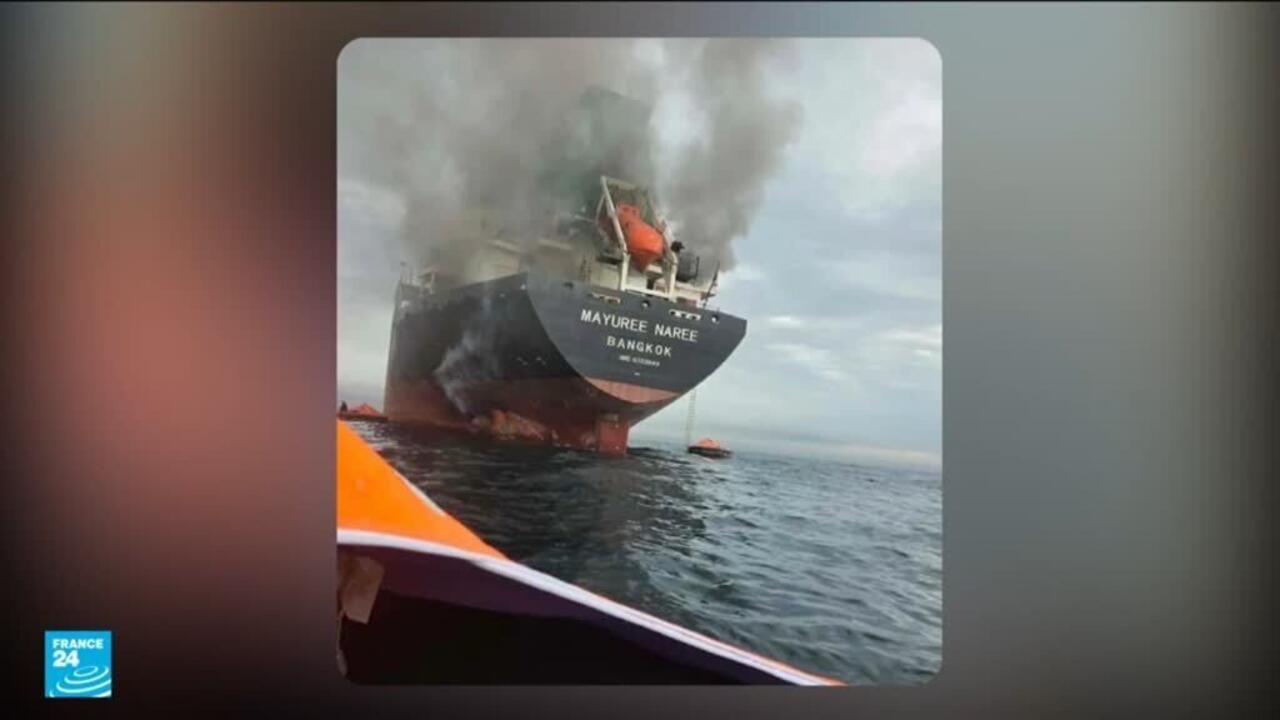
The Strait of Hormuz, a vital artery for global oil trade, has become a threat to energy market stability after Iran closed it as leverage following the outbreak of war on February 28. This action raises significant concerns about its implications for the global economy.
The Strait of Hormuz is a key transit point for approximately 20% of the world's oil, with nearly 18 million barrels passing through it daily. As political and military tensions in the region escalate, this strait has become the focus of global attention, with increasing fears that its closure could lead to unprecedented rises in oil prices.
Details of the Event
On February 28, a new war broke out in the region, prompting the Iranian regime to decide to close the Strait of Hormuz. The new Iranian leader described this action as a pressure tactic aimed at strengthening Iran's position in international negotiations. This decision came at a sensitive time, as oil prices were trending upwards due to increasing demand from global markets.
The closure of the strait has caused panic in energy markets, with oil prices beginning to rise significantly. Experts have indicated that this action could exacerbate economic crises in many oil-consuming countries, especially those heavily reliant on oil imports from the Arabian Gulf.
Background & Context
The Strait of Hormuz has a long history of political and military tensions. It has witnessed numerous crises over the past decades, including the Gulf Wars and regional conflicts. With rising tensions between Iran and the United States, the strait has become a hotspot in the geopolitical struggle.
Historically, Iran has used the Strait of Hormuz as a means to exert pressure on its adversaries, viewing it as part of its national sovereignty. However, the current closure could have larger implications than ever before, as the global economy increasingly relies on stable energy markets.
Impact & Consequences
Economic reports predict that the closure of the Strait of Hormuz will lead to a significant increase in oil prices, which will impact the global economy as a whole. This could result in higher transportation and production costs, negatively affecting the prices of goods and services.
Additionally, oil-consuming countries, such as China and the United States, may face significant challenges in securing their energy needs. These countries may have to seek alternatives, which could further escalate tensions in global markets.
Regional Significance
For Arab countries, the closure of the Strait of Hormuz represents a direct threat to their economic security. Many Arab nations rely on oil exports as a primary source of revenue. Therefore, any rise in oil prices could adversely affect their public budgets.
Moreover, escalating tensions in the region could exacerbate political and economic crises in Arab countries, potentially increasing instability in the area.
In conclusion, the closure of the Strait of Hormuz marks a dangerous shift in the global energy landscape, threatening market stability and heightening geopolitical tensions. The international community must act swiftly to address this crisis before its repercussions worsen.