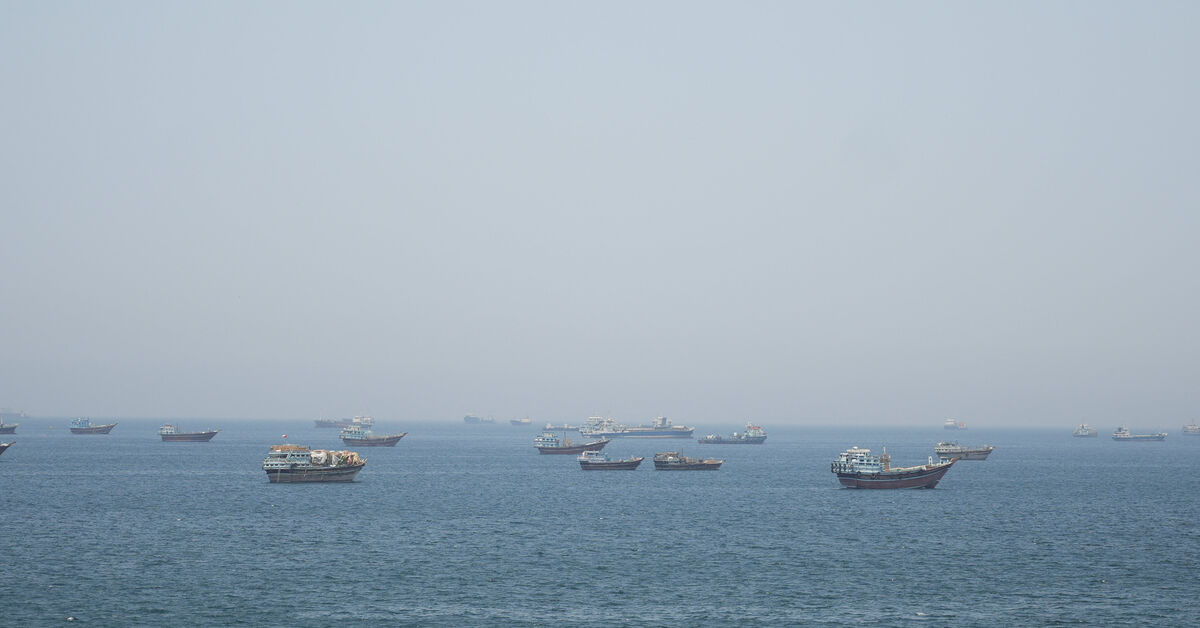
The U.S. Department of Energy reported on Tuesday that the Strait of Hormuz, one of the world's most critical maritime passages, will remain closed until the end of May. This closure will significantly impact shipping traffic and disrupt oil supplies, prompting the department to revise its fuel price forecasts for the United States.
According to reports, the ongoing closure of the Strait of Hormuz, which is considered a lifeline for global oil, will lead to a noticeable increase in fuel prices. The department anticipates that traffic will begin to gradually return starting in June, which may alleviate some pressure on the market.
Details of the Closure
The Strait of Hormuz is a vital transit point for oil transportation, through which approximately 20% of the world's total oil supply passes. This closure comes at a sensitive time, as global markets face significant challenges due to geopolitical tensions and economic crises.
Concerns are growing that the prolonged closure may exacerbate economic crises in oil-importing countries, raising alarms among investors and analysts about the potential impacts on economic growth.
Background & Context
Historically, the Strait of Hormuz has witnessed numerous crises that led to its closure for varying periods. In recent years, tensions between Iran and the United States have escalated, affecting the stability of the region. These tensions have heightened fears of military conflict escalation, negatively impacting global trade.
The current closure also comes at a critical time, as many countries strive to recover from the impacts of the COVID-19 pandemic, increasing the importance of stable energy supplies.
Impact & Consequences
The closure is expected to affect global oil prices, as markets may see a rise in prices due to increased demand for fuel. This rise may also reflect on the prices of goods and services, adding to the pressures on consumers.
Some reports warn that the continued closure could worsen economic crises in countries that heavily rely on oil, potentially affecting their financial and social stability.
Regional Significance
The closure of the Strait of Hormuz is a significant event that impacts global oil markets, necessitating the attention of governments and investors. The geopolitical dynamics in the region are crucial for ensuring the flow of energy resources, which are vital for economic stability.
In conclusion, the ongoing situation in the Strait of Hormuz underscores the interconnectedness of global markets and the importance of diplomatic efforts to maintain open trade routes.