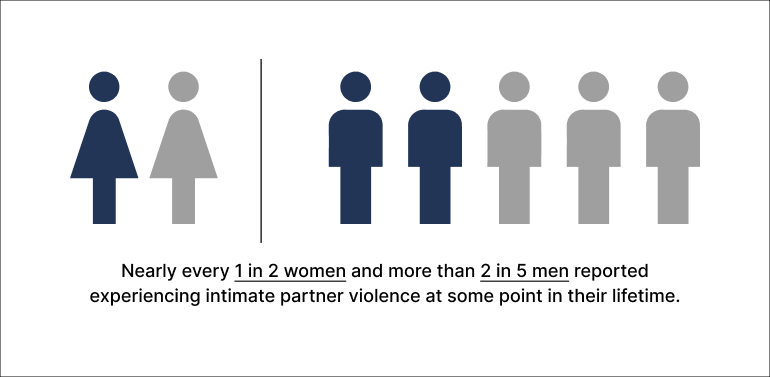
Recent reports reveal that approximately 50% of domestic violence cases are closed without any legal action, often due to a lack of sufficient evidence. This phenomenon raises questions about the effectiveness of the judicial system in dealing with domestic violence cases, as relevant authorities suffer from resource shortages and increasing pressures.
In many countries, domestic violence cases are classified as "non-followable," leaving victims in a state of insecurity. This is attributed to several factors, including the difficulty of gathering evidence, lack of cooperation from witnesses, and sometimes a lack of awareness regarding victims' rights.
Details of the Issue
Statistics indicate that domestic violence cases are among the most frequently closed without follow-up. In some countries, the rate reaches as high as 50%, raising significant concerns among human rights advocates. This situation underscores the urgent need to improve support mechanisms for victims and provide necessary resources for judicial authorities.
The reasons leading to the closure of these cases are varied, with a lack of evidence being one of the most prominent. Often, victims are unable to provide the necessary evidence to support their cases, making it difficult for authorities to take effective legal action. Additionally, social and familial pressures may lead victims to withdraw their complaints.
Background & Context
Historically, domestic violence cases have been considered "private" matters that authorities do not intervene in. However, many countries have begun to recognize the importance of addressing these issues seriously in recent years. Despite this progress, much work remains to be done to improve the situation.
Studies show that domestic violence is not limited to a specific segment of society but extends to all social classes. However, the most vulnerable groups are often the most affected, highlighting the need for appropriate support for them.
Impact & Consequences
This phenomenon has serious repercussions for society as a whole. Closing domestic violence cases without investigation fosters a culture of impunity, which may lead to an escalation of violence within the community. Furthermore, victims who do not receive the necessary support may face further violence, adversely affecting their mental and physical health.
Moreover, the ineffective handling of domestic violence cases reinforces distrust in the judicial system. Victims feel that their voices are unheard, which may discourage them from reporting any future assaults.
Regional Significance
In the Arab region, domestic violence cases are considered sensitive issues that require immediate attention. Many Arab countries suffer from a lack of legislation that protects victims, leaving them vulnerable to violence without any legal protection. Cultural and social factors also play a significant role in the underreporting of these cases.
Arab countries need to strengthen laws that protect victims' rights and provide psychological and social support for them. Governments must also work to raise awareness about women's rights and the importance of reporting domestic violence.
In conclusion, the current situation regarding domestic violence cases demonstrates an urgent need for policy changes and shifts in how these issues are addressed. There must be integrated efforts from both governments and civil society to ensure the protection of victims and the achievement of justice.