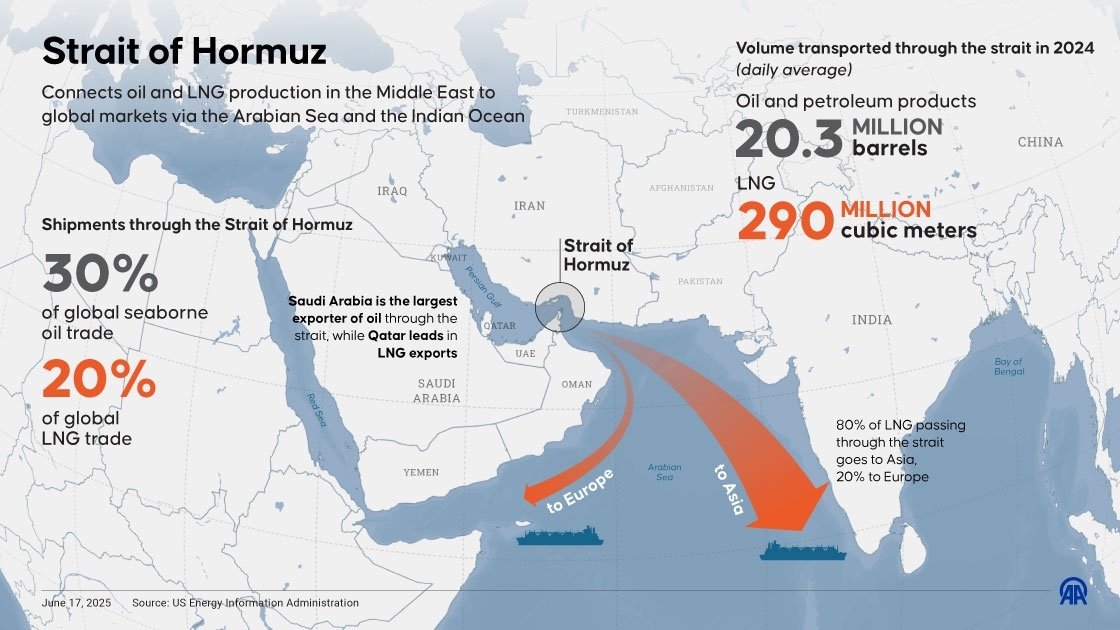
The Strait of Hormuz, through which approximately 20% of the world's oil flows, is one of the most crucial waterways globally. With escalating geopolitical tensions in the region, this strait faces threats that could significantly impact the food security of millions of farmers worldwide.
Reports indicate that any potential closure of the strait would disrupt shipments of agricultural goods, potentially causing food prices to soar to unprecedented levels. Many countries rely on these shipments to meet their basic needs, complicating the situation further.
Details of the Event
News suggests that tensions between Iran and Western nations may escalate, increasing the likelihood of the strait's closure. Should this occur, the flow of essential goods such as grains and vegetable oils, which are vital for millions of families around the globe, would be directly affected.
The Strait of Hormuz serves as a critical transit point for numerous agricultural products, with shipments of up to 18 million barrels of oil passing through daily, alongside substantial quantities of food items. Therefore, any disruption in this waterway could adversely affect food prices in global markets.
Background & Context
Historically, the Strait of Hormuz has witnessed numerous political and military crises, having been the stage for various conflicts. In recent years, tensions between Iran and the United States have intensified, raising fears of a conflict that could impact navigation in the strait.
Countries that import oil and agricultural goods are among the most affected, as many of them depend on food imports to meet their needs. Consequently, any closure of the strait could exacerbate food crises in those nations.
Impact & Consequences
The closure of the Strait of Hormuz is expected to lead to a significant rise in food prices, increasing pressures on low-income households. This situation could also contribute to the spread of hunger in certain regions, particularly in developing countries that heavily rely on food imports.
Moreover, this crisis may heighten social and political tensions in affected countries, potentially threatening stability in the region. Thus, the economic and social repercussions could be far-reaching.
Regional Significance
Arab countries are among those most affected by the closure of the Strait of Hormuz, as many of these nations rely on importing food from abroad. Any increase in prices could worsen economic crises in those countries, putting additional pressure on governments.
The situation may also impact trade relations between Arab nations and other countries, leading to a reevaluation of food security strategies in the region. Under these circumstances, it becomes imperative for governments to take proactive steps to ensure food security stability.
In conclusion, the closure of the Strait of Hormuz poses a real threat to global food security, and the international community must take urgent action to avert this catastrophic scenario.