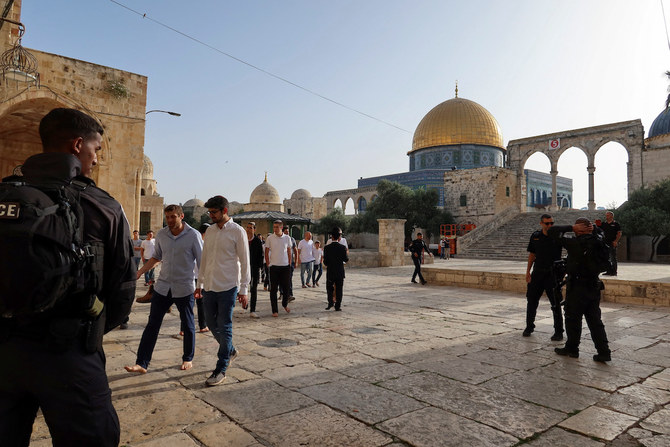
The closure of Al-Aqsa Mosque has entered its twenty-ninth day, provoking angry reactions across the Arab and Islamic worlds. This closure occurs at a sensitive time, as fears of escalating tensions in the region grow.
Calls from various political and religious circles in the Arab world are increasing for the reopening of Al-Aqsa Mosque, one of the holiest Islamic sites. Israeli authorities have deemed the closure a part of security measures, while Palestinians and Arabs view this action as part of a policy aimed at Judaizing the holy city.
Details of the Event
Israeli authorities began closing Al-Aqsa Mosque earlier this month following an escalation of clashes between Palestinians and occupation forces. Worshippers have been barred from entering the mosque, which has sparked widespread condemnation from the international community. In recent days, massive protests have taken place in several Arab countries, expressing solidarity with the Palestinians and supporting their right to worship.
At the same time, human rights organizations have issued statements condemning the closure of Al-Aqsa Mosque, indicating that this action violates basic human rights and constitutes an assault on freedom of worship. These organizations have warned that the continued closure could lead to an explosion of tensions in the holy city.
Background & Context
Historically, Al-Aqsa Mosque has witnessed numerous crises and closures, especially during periods of tension between Palestinians and Israelis. The mosque is a symbol of Palestinian and Islamic identity, attracting millions of visitors and worshippers annually. Its closure has had a significant impact on the daily lives of Palestinians, as it represents a religious, cultural, and social center.
It is noteworthy that the current closure comes amid rising tensions in the region, where Israeli assaults on Palestinians in the West Bank and Gaza Strip are increasing. These assaults have led to the martyrdom of many Palestinians, intensifying public anger.
Impact & Consequences
The closure of Al-Aqsa Mosque is expected to have significant repercussions on the situation in the region. The continued closure may lead to increased protests and confrontations between Palestinians and occupation forces, potentially dragging the region into a spiral of violence. Furthermore, this action could affect relations between Israel and Arab countries, as international pressure on the Israeli government is likely to escalate.
Moreover, the closure of Al-Aqsa Mosque could negatively impact tourism in Jerusalem, as the mosque is one of the most important religious and tourist landmarks in the city. This could result in significant economic losses for many sectors related to tourism.
Regional Significance
The closure of Al-Aqsa Mosque represents a significant challenge for the Arab world, as it requires a unified effort to support Palestinians in the face of these violations. Recent events have shown the urgent need for coordination among Arab countries to support the Palestinian cause and enhance the rights of Palestinians in the holy city.
At the same time, the international community must take responsibility for pressuring Israel to reopen Al-Aqsa Mosque and ensure the rights of Palestinians to worship. The continuation of the current situation could exacerbate conditions, threatening security and stability across the entire region.