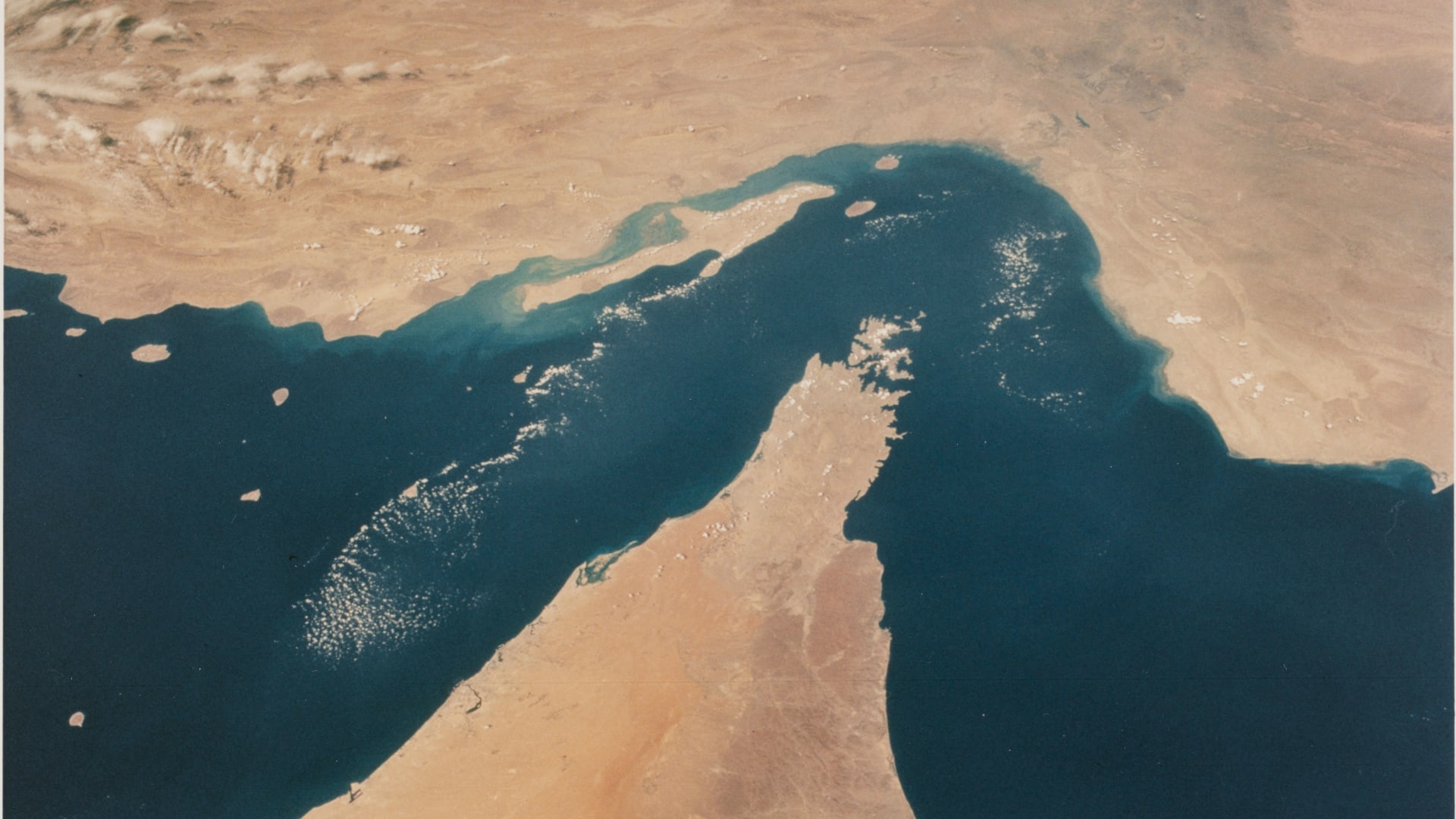
The Hormuz Strait, considered one of the most vital waterways in the world, has entered its fourth week of effective closure due to escalating conflict in the region. This crisis has resulted in a global energy crisis and heightened pressures on the United States and major oil and gas importers from the Gulf region, prompting intensified efforts to find alternative solutions.
Fears are escalating regarding the implications of this closure on global energy markets, as the Hormuz Strait is a vital artery for the transport of about 20% of the world's oil. With this waterway closed, many countries are deprived of their essential supplies, prompting numerous governments and companies to search for alternative ways to secure energy supplies.
Historical background shows that the Hormuz Strait has not always been stable. Since the late 1970s, the region has witnessed successive crises and conflicts, such as the Iran-Iraq War and the Iraqi invasion of Kuwait, which significantly affected navigation through the strait. Over the decades, geopolitical tensions and military actions have played a prominent role in influencing the flow of energy through this passage.
As for the current implications of the closure, the impact is evident on the global economy, as oil prices have begun to rise significantly. Some major companies have announced they are exploring alternative transportation options, but this could add additional costs, further exacerbating the crisis. Additionally, the continued closure of the strait could increase burdens on energy-dependent economies, with European countries representing a large part of this equation.
Ending this closure requires intensive diplomatic efforts, as major countries must negotiate with stakeholders in the region to find a peaceful resolution to the ongoing conflict. The absence of diplomatic settlements may increase pressures on energy markets, possibly boosting investments in alternative energy sources.
In the context of the Arab region, the closure of the Hormuz Strait represents a significant development. Arab countries, which heavily depend on oil and gas supplies from the Gulf, may face a major crisis if the situation continues as it is. These events may worsen the economic situation in some of these countries, increasing inflation rates and negatively impacting political stability.
This situation reflects the importance of Arab cooperation to confront these challenges, particularly in enhancing alternative energy sources and developing new strategies to reduce reliance on traditional waterways. Arab action may require coordination at the government and private sector levels to support energy independence in the region.