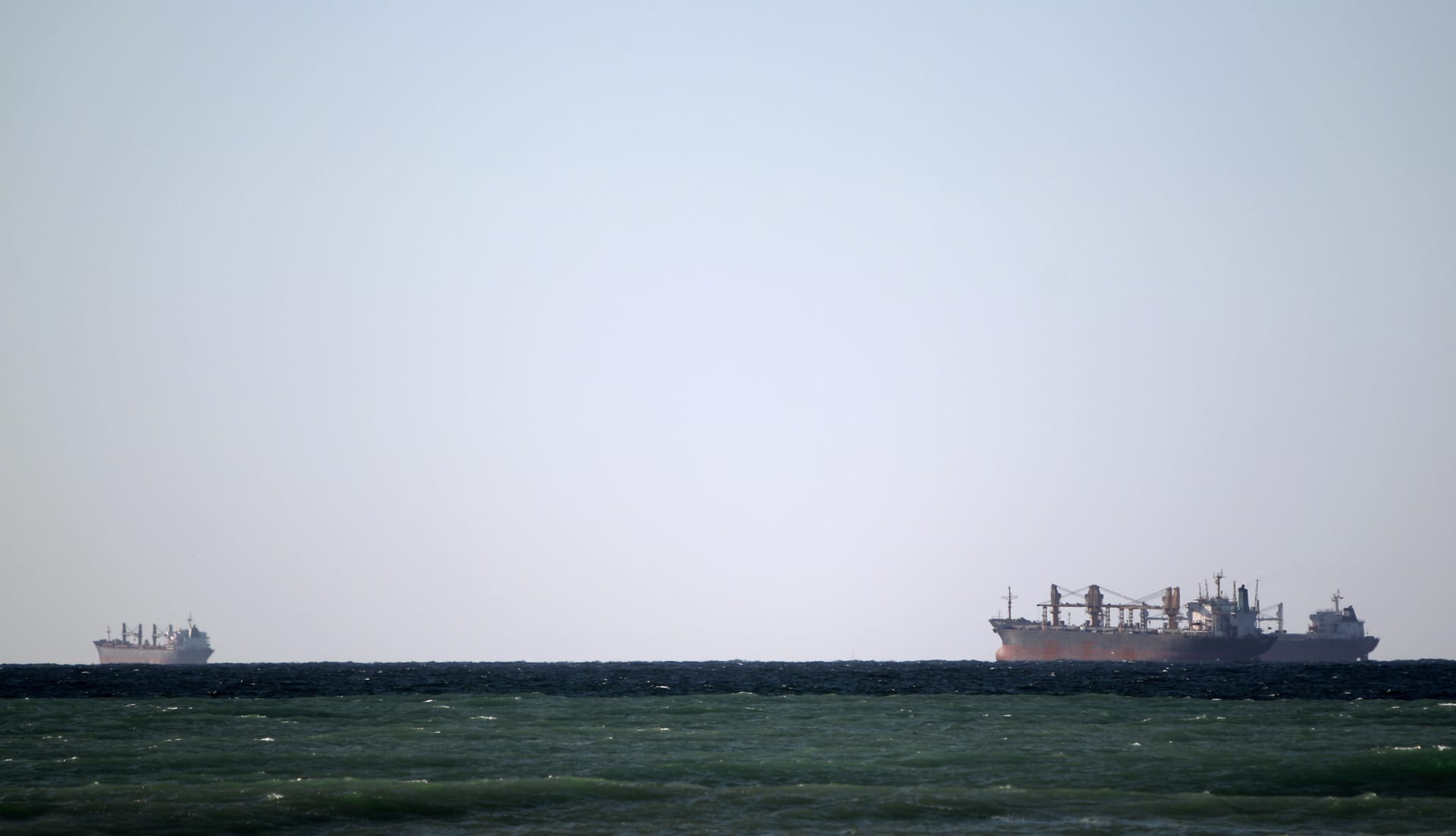
The effective closure of the Strait of Hormuz, following the outbreak of war between the United States, Israel, and Iran in late February, has had significant negative impacts on daily life in Asia. This strait is a vital artery through which approximately 20% of the world's total oil passes, causing Asian countries that heavily rely on energy imports to face increasing supply crises.
Currently, only a few ships pass through the strait daily, while ongoing attacks on energy infrastructure in the region continue to drive prices up. Governments in Asia, including China and the Philippines, have begun to take emergency measures to address this crisis, such as reducing working hours and declaring national holidays.
Details of the Event
Pressure is mounting on Asian governments, with the Philippines forced to declare a national state of emergency due to the imminent threat to energy supplies. Jeepney drivers in the Philippines have suffered a significant drop in their daily wages, which have fallen from 1,200 pesos ($19.92) to just 200 pesos ($3.32). One driver, Carlos Bragal, expressed concern about how these conditions would affect his family's future.
In Thailand, news presenters on government television showed solidarity with the crisis by removing their suits on air to encourage citizens to save energy. Guidelines have also been issued to maintain air conditioning temperatures at 26-27 degrees Celsius, reflecting the seriousness of the situation.
Background & Context
The Strait of Hormuz is one of the most important waterways in the world, through which approximately 90% of the oil and gas destined for Asian countries passes. The region has witnessed increasing tensions in recent years, particularly with the escalation of conflicts between Iran and the United States and its allies. These conflicts directly affect energy prices and availability, negatively impacting Asian economies.
Historically, the region has experienced recurring energy crises, but the current situation appears more severe, with growing fears of worsening conditions amid ongoing conflict. These crises have led to austerity measures in many countries, including reducing working days and declaring official holidays.
Impact & Consequences
The repercussions of the closure of the Strait of Hormuz on Asian economies are increasing, with many sectors suffering from severe fuel shortages. In India, for example, the ceramics industry has been significantly affected due to a lack of gas, leading to many factories halting operations. Restaurants and hotels in Mumbai are also facing significant difficulties in obtaining gas, resulting in the closure of many establishments.
Reports indicate that the economic impact of the crisis extends to all aspects of daily life, as citizens suffer from rising prices and shortages of essential goods. In Sri Lanka, for instance, a fuel rationing system was introduced after the country faced a crippling financial crisis last year.
Regional Significance
Arab countries, especially those that produce oil, are directly affected by developments in the Strait of Hormuz. Any increase in oil prices impacts the economies of these countries, exacerbating economic and social pressures. Additionally, conflicts in the region could worsen humanitarian crises, necessitating an urgent response from the international community.
In conclusion, the situation in the Strait of Hormuz remains a focal point of global events, with growing concerns over the escalation of crises amid ongoing conflict. Concerned nations must take urgent steps to mitigate the effects of these crises on their populations.