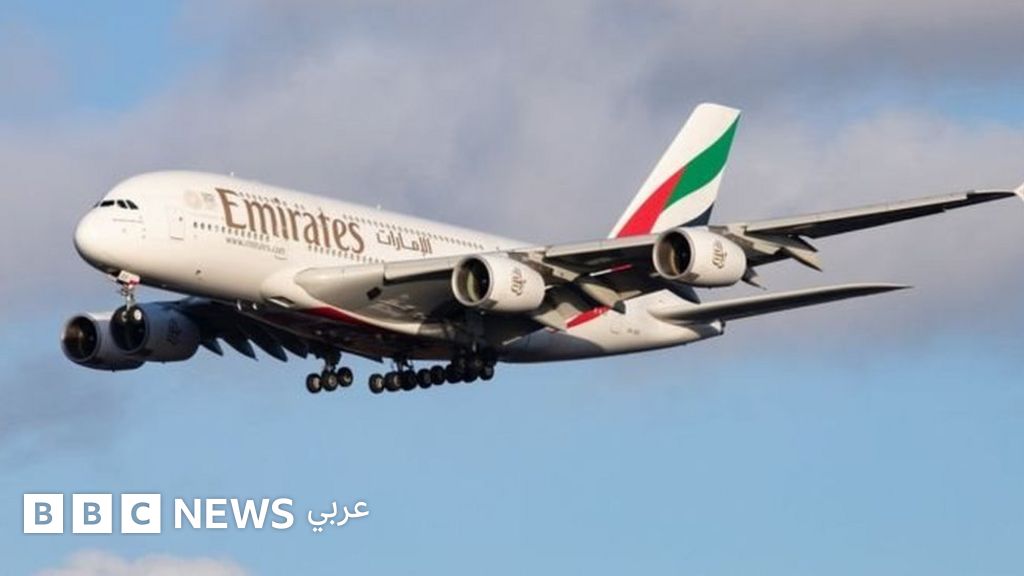
The current situation in the Strait of Hormuz has greatly affected European and Asian airlines, forcing many of them to reduce the number of flights due to a shortage of jet fuel supplies. This closure comes at a sensitive time, as the aviation sector heavily relies on fuel supplies from this vital region.
The Strait of Hormuz is considered one of the most important waterways in the world, through which approximately 20% of the total global oil supplies pass. With rising geopolitical tensions in the region, fuel supplies have become threatened, leading to increased prices and higher costs for airlines.
Details of the Event
In recent days, several airlines have announced reductions in their flights, affecting schedules and forcing travelers to rearrange their travel plans. Some companies, such as British Airways and Singapore Airlines, have confirmed that they are facing difficulties in securing enough fuel to meet their operational needs.
Concerns are growing that the continuation of this situation may lead to increased airfare prices, as companies will be compelled to pass on the additional costs to travelers. This scenario could also impact tourism and travel, which had begun to recover after the COVID-19 pandemic.
Background & Context
Historically, the Strait of Hormuz has been a center of political tensions, having witnessed numerous crises over the past decades. This strait is a vital artery for transporting oil and gas, and many countries rely on it to secure their energy needs. In recent years, tensions between Iran and Western nations have escalated, increasing risks to energy supplies.
In this context, the closure of the strait illustrates how geopolitical events can directly impact the global economy, particularly sectors such as aviation and transportation. Any disruption in fuel supplies can lead to widespread repercussions on prices and services.
Impact & Consequences
The impact of the closure of the Strait of Hormuz on airlines serves as a clear example of how geopolitical crises affect the global economy. Rising fuel prices may lead to increased operating costs, putting additional pressure on companies already suffering from the effects of the COVID-19 pandemic.
Moreover, this situation may result in reduced travel options available to travelers, limiting tourism activity and affecting local economies that depend on foreign visitors. Companies relying on air freight may also face significant challenges in securing their supplies.
Regional Significance
For the Arab region, the closure of the Strait of Hormuz represents a significant challenge, as many countries depend on energy supplies from this area. Any disruption in fuel supplies can affect oil prices, potentially increasing costs for importing countries.
At the same time, some countries may benefit from this situation, as rising oil prices could lead to increased revenues for producing nations. However, stability in the region is paramount to ensure the continuous and safe flow of supplies.
In conclusion, the closure of the Strait of Hormuz demonstrates how geopolitical events can significantly impact the global economy and the aviation sector. It is crucial to monitor developments in this region to ensure the stability of energy supplies and maintain travel movement.