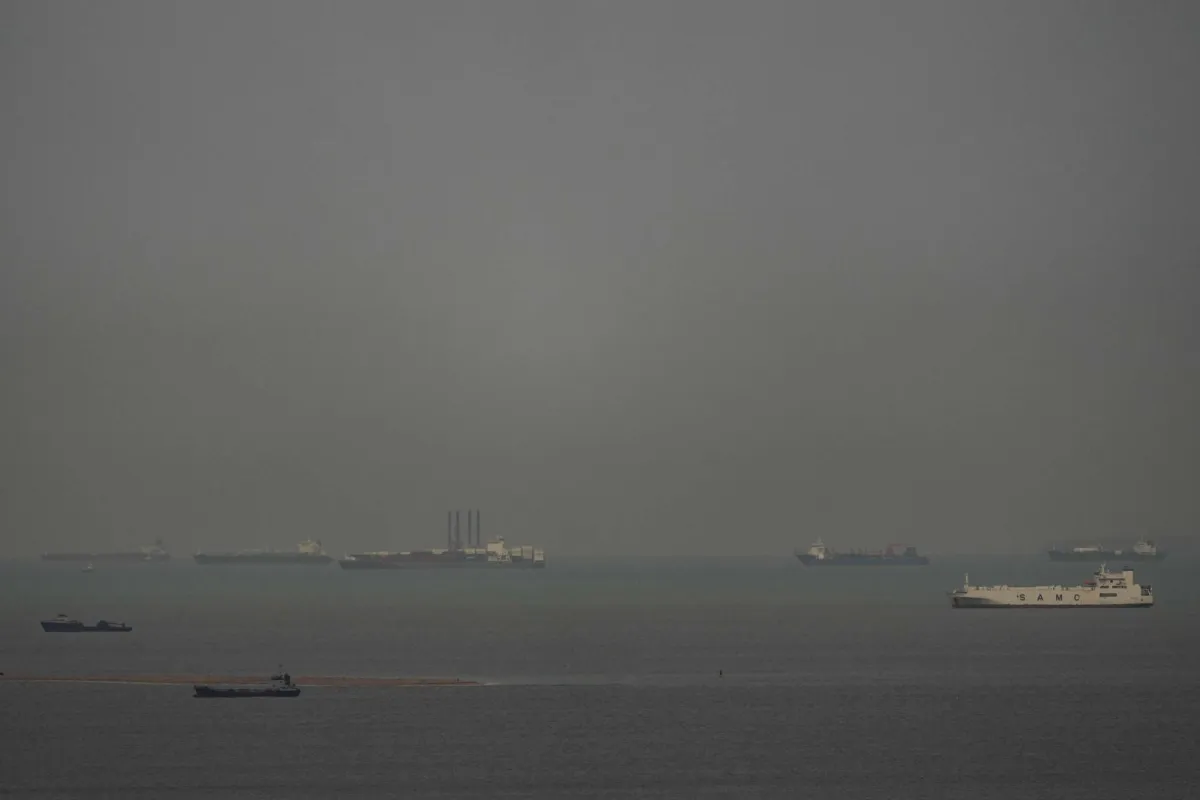
Rapid events in the Middle East, specifically Iran's closure of the Strait of Hormuz, have resulted in an unprecedented rise in shipping and transportation costs globally. The Strait of Hormuz is considered one of the most critical trade routes in the world, through which nearly one-fifth of global oil supplies pass. As tensions escalate, shipping companies are facing significant challenges in managing their operations.
Data shows that the closure of the strait has led to a reduction in capacity, as many ships prefer to remain within the Gulf to avoid targeting risks. At the same time, some vessels are opting for longer and more expensive alternative routes to avoid passing through the strait. Additionally, the decline in oil flows has contributed to rising fuel prices for ships, according to Agence France-Presse.
Event Details
Rolf Habben Jansen, CEO of Hapag-Lloyd, stated that the company had to suspend bookings to and from the Arabian Gulf, as it is no longer possible to bring ships in or out. Jansen estimated that the war has raised costs by between $40 million and $50 million weekly. He noted that a significant portion of this increase is linked to rising fuel prices, along with increased insurance costs, container storage, and land transportation.
Furthermore, data revealed that the cost of chartering oil tankers has doubled, with the average earnings for large Suezmax crude oil tankers exceeding $330,000 per day. The costs for liquefied natural gas tankers have risen to about $90,000 per day, which is equivalent to three times the previous cost.
Background & Context
Historically, the Strait of Hormuz is a vital point in global trade, through which about 20% of global oil supplies pass. With the escalation of military tensions in the region, any closure or threat to this corridor can have significant impacts on global markets. Since the outbreak of the war, oil prices have experienced sharp fluctuations, affecting fuel prices in global markets.
In this context, Peter Norfolk, a shipping pricing specialist at Platts, indicated that the cost of shipping crude oil from the Arabian Gulf to China has sharply increased, jumping from $46 per metric ton to around $64 by the end of March, reflecting the immense pressures faced by shipping companies.
Impact & Consequences
The repercussions of rising shipping costs extend beyond companies, directly affecting consumers. Fuel prices have surged sharply, leading to increased inflation in many countries. In the United States, the price of a gallon of gasoline has surpassed $4 for the first time since 2022, putting pressure on household budgets and reducing their ability to spend in other sectors.
Additionally, rising shipping prices affect companies that rely on land and sea transportation, potentially leading to increased product prices in markets. The American markets have shown a slight recovery with a slowdown in the pace of rising oil prices, but fears of the war's continuation may lead to a new wave of inflation.
Regional Significance
Considering the impact of these events on the Arab region, the rise in shipping costs may affect the economies of countries that rely on importing oil and gas. Moreover, the decline in oil flows from the Arabian Gulf could lead to supply shortages, threatening the stability of local markets.
In conclusion, the situation in the Middle East remains a focal point for the world, as military tensions impact the global economy in general, and the Arab region in particular. The current situation requires careful monitoring and international cooperation to mitigate the effects of these crises.