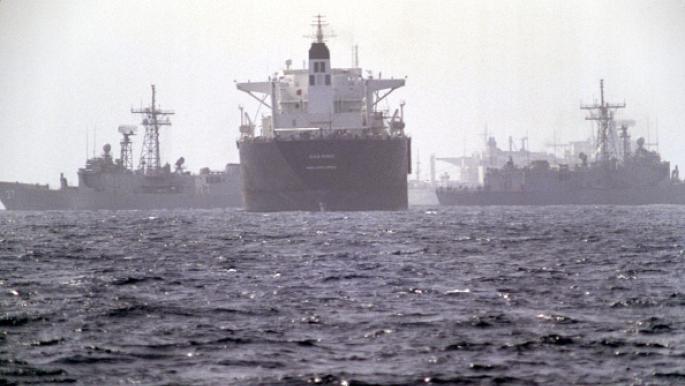
The closure of the Strait of Hormuz and the resulting sharp increase in oil prices have yielded notable benefits for Iran, Oman, and Saudi Arabia, while other nations have incurred significant losses due to their lack of effective export alternatives.
The Strait of Hormuz is one of the most crucial waterways in the world, through which approximately 20% of global oil exports pass. Its closure has led to a substantial rise in prices, contributing to increased oil revenues for countries capable of exporting oil through alternative routes.
Details of the Event
Amid escalating geopolitical tensions in the region, some countries have closed the Strait of Hormuz, directly impacting global shipping and trade. Reports indicate that oil prices surged by up to 30% following the closure, providing a strong boost to oil-dependent economies.
Iran, which is grappling with economic sanctions, has significantly benefited from this situation by increasing its exports through alternative routes, helping to mitigate the effects of the sanctions. Oman and Saudi Arabia, both of which have robust oil transport infrastructure, have also managed to markedly increase their revenues.
Background & Context
Historically, the Strait of Hormuz has witnessed numerous crises leading to its closure, affecting global oil prices. In recent years, tensions between Iran and the United States have escalated, increasing the likelihood of the strait's closure. Recent events have shown that these tensions can lead to rapid changes in market dynamics.
Countries that rely on oil as a primary source of revenue, such as Iraq and Kuwait, may face significant challenges under these circumstances. The absence of effective export alternatives makes them vulnerable to substantial revenue losses.
Impact & Consequences
The effects of the closure of the Strait of Hormuz extend beyond economic borders, potentially leading to further political tensions in the region. Countries that have incurred losses may seek to take measures to bolster their economic security, which could escalate geopolitical tensions.
Moreover, the rise in oil prices may impact the global economy, leading to increased energy costs and affecting inflation rates in many countries. Oil-consuming nations may find themselves in a difficult position under these conditions.
Regional Significance
For the Arab region, the gains achieved by Iran, Oman, and Saudi Arabia may enhance their influence in the oil market. Conversely, other countries, such as Iraq and Kuwait, may find themselves in a weakened position if they cannot find alternative solutions.
Ultimately, the closure of the Strait of Hormuz highlights the importance of diversifying energy sources and relying on effective alternatives. Countries that can adapt to these changes will be better positioned to face future challenges.