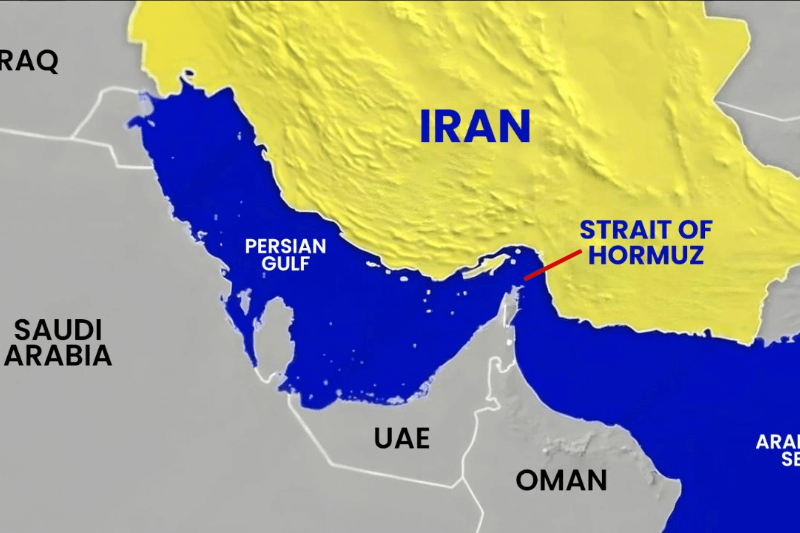
The closure of the Strait of Hormuz, considered the lifeline for oil and gas, has become an increasing concern for the international community. This strait is a crucial transit point for approximately 20% of the world's total oil supplies, making it a focal point for economic and political powers.
Amid rising geopolitical tensions in the region, fears are growing that any potential closure of this strait could lead to a comprehensive crisis in the global economy. Oil prices have seen notable increases in recent days, reflecting the growing anxiety over the implications of this closure.
Details of the Situation
Tensions are escalating in the Arabian Gulf, where disputes between major countries are intensifying, placing the Strait of Hormuz in the spotlight. Reports indicate that any disruption to navigation in this strait could lead to a sharp decline in oil supplies, negatively impacting global prices.
As oil-consuming countries strive to secure their supplies, any closure of the strait would increase pressure on financial markets and could cause significant volatility in oil prices.
Background & Context
The Strait of Hormuz is a strategic point, through which approximately 17 million barrels of oil pass daily. The region has a long history of conflicts and disputes, making it susceptible to political tensions. In recent years, the intensity of conflicts between Iran and Western countries has heightened concerns regarding the security of navigation in the strait.
Historically, the strait has experienced previous closures due to conflicts, leading to significant spikes in oil prices. These events remind us of the importance of regional stability and its impact on the global economy.
Impact & Consequences
If the closure of the Strait of Hormuz continues, it will have serious repercussions for the global economy. Oil prices are likely to experience unprecedented increases, affecting transportation and production costs across various sectors.
Moreover, oil-consuming countries will face significant challenges in securing alternative supplies, which could lead to increased reliance on alternative energy sources, a process that may take a long time to develop.
Regional Significance
For Arab countries, the closure of the Strait of Hormuz could exacerbate economic crises. Countries that heavily rely on oil exports will struggle to generate the necessary revenues to support their budgets.
Furthermore, tensions in the region may lead to increased political divisions, negatively impacting regional stability.
In conclusion, the closure of the Strait of Hormuz remains a real threat to the global economy, necessitating urgent action from the international community to ensure the stability of navigation in this vital area.