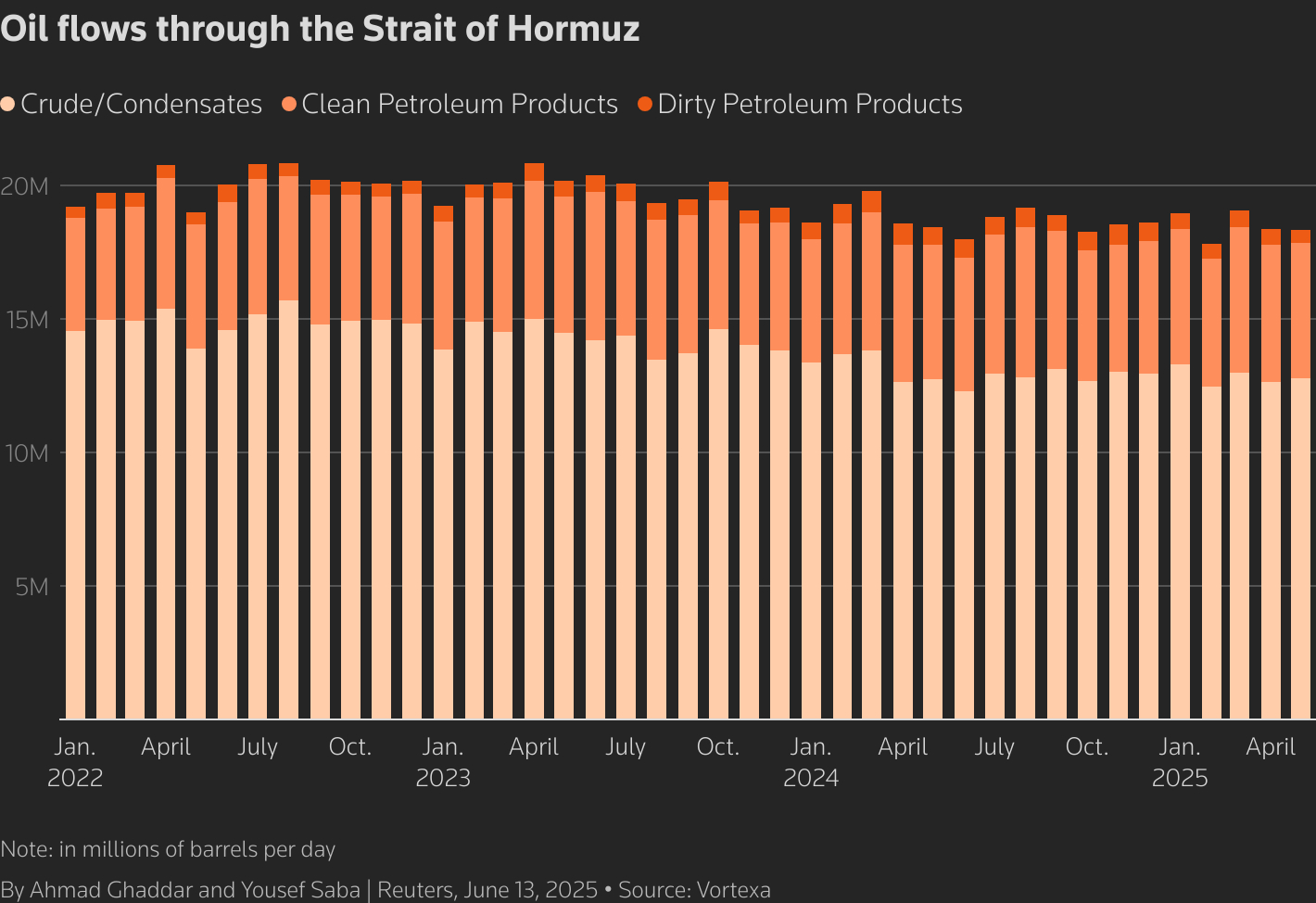
Despite reaching a ceasefire agreement between the United States and Iran, the Strait of Hormuz remains significantly closed, raising concerns about global trade movement. Only three ships have been observed departing the region, reflecting ongoing tensions at this strategic point.
The Strait of Hormuz is a vital artery for transporting oil and natural gas, with approximately 20% of the world's total oil passing through it. The continued closure has a substantial impact on global markets, as many countries rely on these maritime routes to secure energy supplies.
Event Details
An international policy advisor from Arnold & Porter stated that reopening the Strait of Hormuz is crucial for maintaining free trade. He affirmed that the United States has a strong interest in keeping this waterway open as a channel for commerce and navigation.
These developments come at a sensitive time, as the region is experiencing escalating tensions between major powers, complicating the security situation in the territorial waters. This scenario highlights the urgent need for effective diplomatic solutions to ensure regional stability.
Background & Context
Historically, the Strait of Hormuz has been the scene of numerous political and military crises. In the 1980s, the region witnessed a war between Iraq and Iran, with the strait being a major point of contention. Since then, it has become a symbol of geopolitical tensions in the area.
In recent years, tensions between the United States and Iran have escalated, particularly after Washington's withdrawal from the nuclear deal in 2018. This escalation has directly affected trade movement in the strait, leading countries to increasingly rely on diplomatic solutions.
Impact & Consequences
The continued closure of the Strait of Hormuz could lead to rising oil prices in global markets, impacting the global economy overall. Additionally, this situation may intensify tensions between major countries and complicate peace efforts in the region.
These developments also indicate the importance of international cooperation to ensure the safety of navigation in international waters. Tensions in this area could affect the stability of financial markets, necessitating a swift response from the international community.
Regional Significance
For Arab countries, the ongoing closure of the Strait of Hormuz poses a direct threat to energy security and the economy. Many Arab nations depend on oil exports, and any disruption in navigation could negatively impact their revenues.
Moreover, the situation in the Strait of Hormuz reflects the security challenges facing the region, requiring Arab countries to enhance cooperation among themselves to ensure their stability and security.
In conclusion, the Strait of Hormuz remains a pivotal point in global geopolitical geography. Its reopening is not merely a commercial issue but a matter of security and stability for both the region and the world.