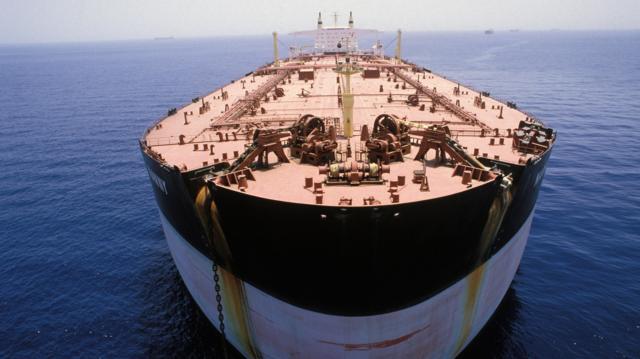
Barclays has warned that the ongoing closure of the Strait of Hormuz could lead to a loss of global oil supplies at a rate of 13 to 14 million barrels per day, posing a significant threat to energy markets. The Strait of Hormuz is a vital artery for oil transport, through which approximately 20% of the world's total oil supplies pass. This warning comes at a time when markets are experiencing sharp fluctuations due to increasing geopolitical crises.
Concerns are rising that a potential closure of the strait could exacerbate economic crises in many countries, especially those that heavily rely on imported oil. This warning is particularly timely as markets struggle to recover from the impacts of the COVID-19 pandemic and its effects on global demand.
Details of the Event
Barclays reported that any closure of the Strait of Hormuz would result in a significant shock to oil markets, directly affecting the supplies of producing countries in the Arabian Gulf. This closure is considered one of the largest threats facing energy markets in recent years, as the loss of such a large volume of oil could lead to unprecedented price increases.
Fears are growing that military tensions in the region could escalate the situation, increasing the likelihood of the strait's closure. The region has witnessed a rise in conflicts in recent years, heightening concerns about the stability of oil supplies.
Background & Context
The Strait of Hormuz is a strategic passage for oil, linking the Arabian Gulf to the Indian Ocean. Historically, the strait has experienced numerous crises, including military conflicts and political tensions. In 2019, the strait saw a series of attacks on oil tankers, raising concerns about the safety of maritime navigation in the area.
Countries such as Iran, Saudi Arabia, and the UAE are among the largest oil producers in the world and play a vital role in securing global oil supplies. Any disruption in this region could significantly impact the global economy, making it essential to closely monitor developments.
Impact & Consequences
If the closure of the Strait of Hormuz continues, oil prices are likely to see a sharp increase, affecting transportation costs and petroleum products worldwide. This could lead to rising inflation in many countries, putting additional pressure on governments and businesses.
Moreover, the loss of such a large volume of oil could exacerbate economic crises in developing countries that rely on imported oil. Major companies in the energy sector may also face new challenges in managing their supply chains.
Regional Significance
Arab oil-producing countries are the most affected by this situation, as any rise in oil prices could directly impact their economies. Countries like Iraq, Kuwait, and Qatar heavily depend on oil revenues, and any disruption in supplies could lead to slowed economic growth.
At the same time, some countries may benefit from rising prices, potentially leading to increased oil revenues. However, political tensions could lead to instability, making it difficult to predict the long-term effects of these situations.
In conclusion, the situation in the Strait of Hormuz remains under close observation, as any new developments could significantly impact global energy markets and the Arab economy in particular.