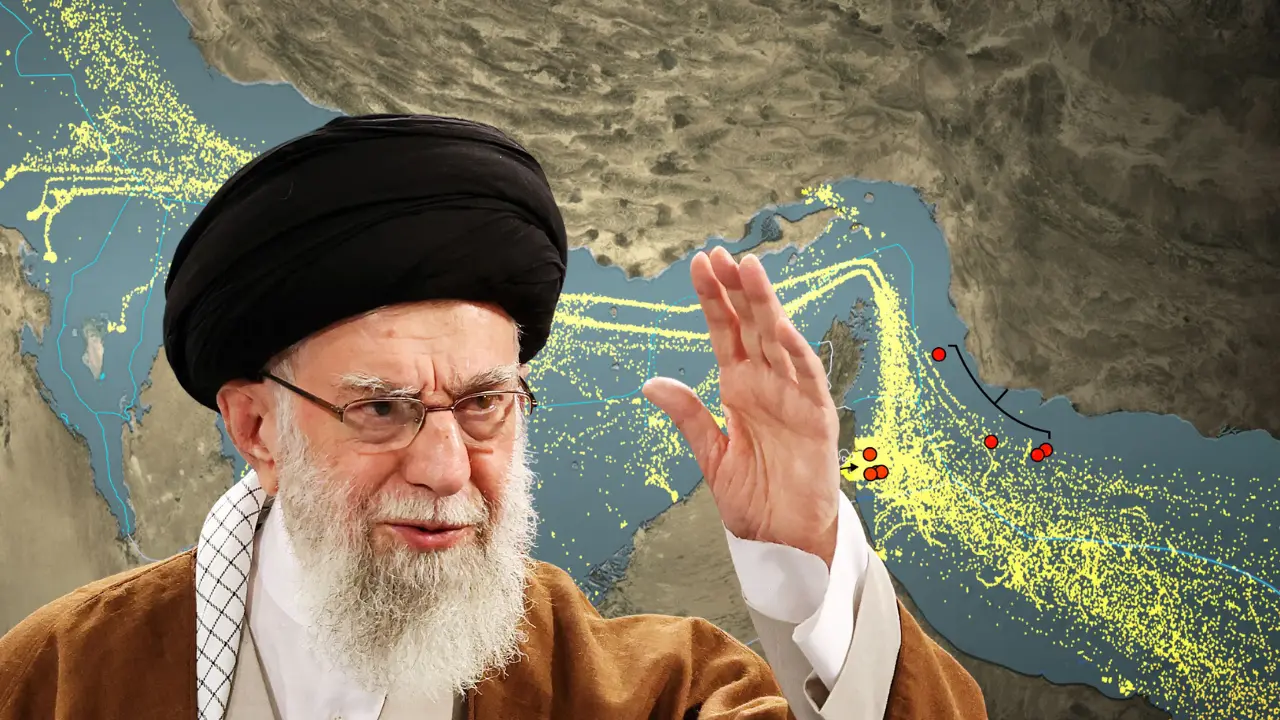
The closure of the Strait of Hormuz has trapped approximately 20,000 sailors, raising concerns about how they will cope with this difficult situation. These sailors are living under harsh conditions, facing increasing daily challenges.
The Strait of Hormuz is a vital point in maritime navigation, through which about 20% of the world's total oil passes. With its closure, sailors find themselves stranded at sea, far from their families and essential resources.
Details of the Event
Concerns are growing about the impact of the closure of the Strait of Hormuz on the lives of sailors, who are struggling to obtain food and water. Many of them are stuck on ships for weeks, causing them psychological and physical stress.
The reasons behind the closure of the strait are numerous, including political and military tensions in the region. Some countries have issued warnings regarding navigation in these waters, complicating the situation further.
Background & Context
The Strait of Hormuz is considered one of the most important maritime passages in the world, linking the Arabian Gulf to the Gulf of Oman. Historically, the strait has witnessed numerous political crises that have affected maritime traffic.
In recent years, tensions between regional countries have escalated, leading to threats of closure of the strait. These conditions make it difficult for sailors to work in peace and safety.
Impact & Consequences
The closure of the Strait of Hormuz has wide-ranging implications for the global economy, as it could lead to rising oil prices and increased shipping costs. Additionally, sailors enduring harsh conditions may face health and psychological risks.
This crisis requires a swift response from governments and humanitarian organizations to ensure the safety of sailors and provide the necessary support.
Regional Significance
The repercussions of the closure of the Strait of Hormuz continue to impact the Arab region, where many countries rely on oil that passes through this strait. Any disruptions in maritime traffic could exacerbate economic crises in oil-dependent countries.
In conclusion, the current situation necessitates urgent action from the international community to protect sailors and ensure freedom of navigation in the Strait of Hormuz.