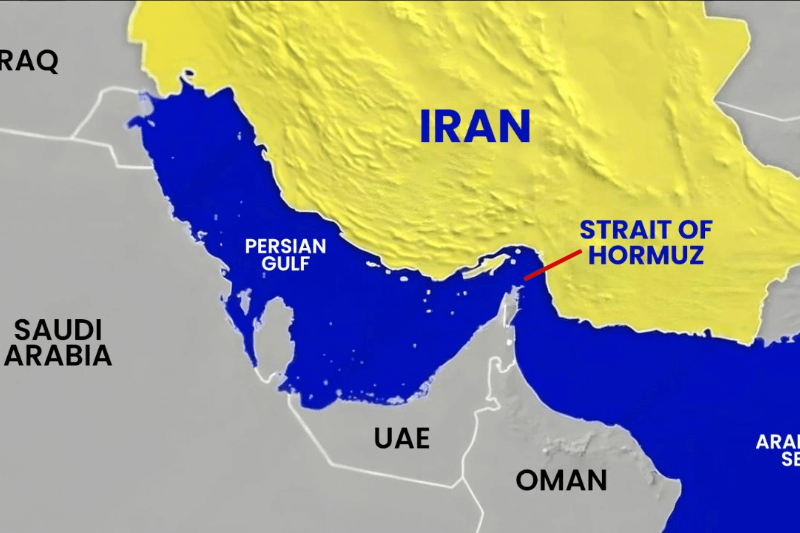
Authorities have announced the closure of the Strait of Hormuz, raising significant concerns about its impact on international shipping. This strait is one of the world's most critical waterways, through which approximately 20% of global oil passes.
This decision comes at a sensitive time when the region is experiencing increasing tensions, heightening worries about global energy security. The Strait of Hormuz is considered a vital artery for transporting oil and gas from Gulf countries to global markets, serving as a major transit point for commercial vessels.
Details of the Event
According to reports, the closure of the strait was prompted by several factors, including political and security tensions in the region, along with threats from certain armed groups. This measure was announced unexpectedly, eliciting varied reactions from the concerned countries.
This decision is expected to affect global oil prices, as any disruption in oil flow from the Gulf could lead to significant price increases. Some major countries have expressed their concerns about the implications of this decision, calling for the necessity of maintaining freedom of navigation in this vital area.
Context and Background
The Strait of Hormuz has been a strategic point for decades, witnessing numerous political and military crises. In recent years, tensions between Iran and the United States have escalated, increasing fears about the region's stability. Additionally, there is a long history of maritime clashes in this area, making the current situation more complex.
Historically, the strait has seen several crises, including the tanker war in the 1980s, which heightened tensions between Iran and Iraq. With the rise of security threats, it has become essential for the international community to take steps to protect this vital passage.
Impact and Consequences
The closure of the Strait of Hormuz is expected to have wide-ranging effects on the global economy. It could lead to increased shipping costs, negatively impacting the prices of essential commodities. Furthermore, countries that import oil from the Gulf will face new challenges in securing their energy needs.
Moreover, this decision may contribute to escalating military tensions in the region, as some countries might seek to protect their interests by enhancing their military presence. This could lead to further deterioration in relations between major powers.
Impact on the Arab Region
For Arab countries, the closure of the Strait of Hormuz represents a significant challenge, as many of these nations rely on oil exports as a primary source of income. Any escalation in tensions could affect internal stability in these countries, increasing economic and social pressures.
In light of these circumstances, Arab nations must work together to enhance security and economic cooperation to address the challenges that may arise from this situation. Additionally, coordination with the international community is essential to ensure the preservation of freedom of navigation in the Strait of Hormuz.
In conclusion, the closure of the Strait of Hormuz is a significant event that requires close monitoring by all concerned parties, as its repercussions may extend to various aspects of economic and political life in the region.