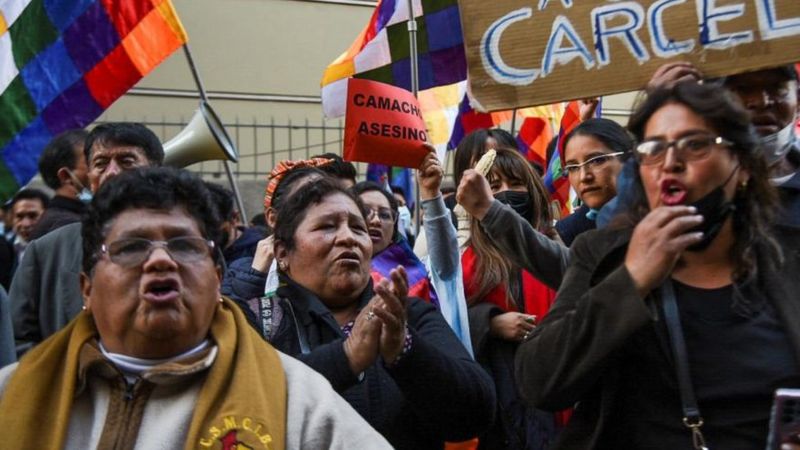
Clowns gathered in the streets of Bolivia to protest a new government decree that threatens their livelihoods. This movement comes at a sensitive time as many artists are suffering from the economic repercussions of the COVID-19 pandemic. The decree issued by the government includes strict restrictions on clowns performing in public spaces, raising their fears of losing their jobs.
During the protest, clowns wore their traditional costumes and held up signs expressing their concerns about the impact of this decree on their daily lives. One clown pointed out that this decision would destroy their only source of income, as many of them rely on street performances to earn money.
Details of the Event
Hundreds of clowns gathered in the capital, La Paz, where they performed artistic shows in the streets as part of their protest. They showcased their entertainment skills, attracting the attention and sympathy of passersby. The clowns emphasized that this decree threatens not only their jobs but also the local culture that relies on folk arts.
The clowns expressed their dissatisfaction with the government's failure to consult them before issuing this decision, asserting that the arts are not merely a means of livelihood but an integral part of the cultural identity of the Bolivian people. They demanded that the government retract this decree and allow them to practice their profession freely.
Background & Context
Historically, Bolivia has faced numerous economic and social challenges, especially in light of the COVID-19 pandemic, which has significantly impacted the artistic and entertainment sectors. Many artists and clowns have lost their sources of income due to restrictions on public gatherings. In recent years, there have been attempts to promote arts and culture, but these efforts are now facing new threats.
Folk arts are considered an essential part of Bolivia's cultural heritage, reflecting the traditions and history of the people. However, the new laws could lead to a decline in this heritage, raising concerns among many intellectuals and artists in the country.
Impact & Consequences
If this decree continues, it could result in many clowns losing job opportunities, which would increase unemployment rates in the country. Additionally, this decision could negatively affect tourism, as many visitors come to Bolivia to enjoy artistic and cultural performances.
Moreover, this situation could exacerbate social and economic crises, as many people depend on the arts as a source of income. It is crucial for the government to listen to the artists' demands and work on finding alternative solutions that ensure their rights and support the arts in the country.
Regional Significance
Arts and culture are vital components of identity worldwide, including in Arab countries. The experience of clowns in Bolivia may serve as a lesson for many Arab artists facing similar challenges in their countries. It is essential to support arts and culture globally, as they play a crucial role in enhancing identity and belonging.
In conclusion, governments must recognize the importance of the arts as a means of expressing culture and identity and work to provide a safe and suitable environment for artists to practice their profession freely.