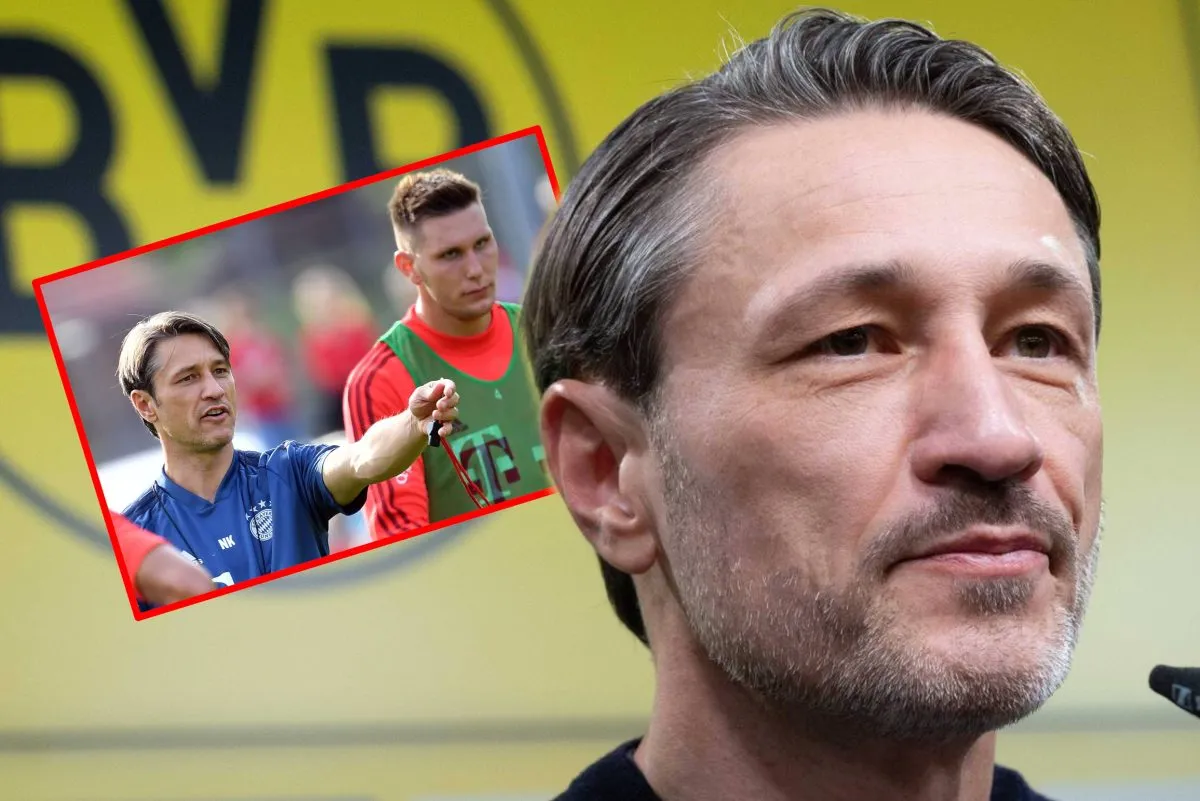
In a captivating statement, Niko Kovac, the coach of Hoffenheim, revealed an incident that occurred during his team's recent match, where he requested the referee not to blow the final whistle before the designated time, in reference to Niklas Süle. This incident reflects the tensions that can arise in crucial matches, where refereeing decisions play a decisive role in determining the fate of teams.
Kovac, who has extensive experience in the world of football, pointed out that such moments can significantly affect players and their mindset on the field. He stated, "Don't blow the whistle yet," highlighting the importance of focus during critical moments.
Details of the Incident
The match took place within the framework of the Bundesliga, where Hoffenheim was striving for a positive result against their opponent. As the end of the match approached, there was a palpable sense of tension in the stadium, prompting Kovac to intervene and direct his request to the referee. This moment was pivotal, as the team needed every possible second to secure a victory.
This incident serves as an example of how refereeing decisions can influence the course of matches, where a referee's whistle can completely change the trajectory of the game. Kovac, who is well aware of the significance of every moment in a match, wanted to ensure that his team did not miss any opportunity.
Background & Context
Historically, football has witnessed numerous thrilling situations related to refereeing, with officiating decisions always being a point of contention among coaches and players. In recent years, new technologies such as Video Assistant Referee (VAR) have been introduced to reduce officiating errors, yet there are still situations that require direct intervention from the referee.
Germany is considered one of the strongest football leagues in the world, with many prominent teams competing. However, the pressure on referees is immense, making them susceptible to criticism when incorrect decisions are made. Kovac, as a coach, fully understands these pressures and works to guide his team in the best possible manner.
Impact & Consequences
Refereeing decisions directly affect match results, and consequently, the standings of teams in the league. In Hoffenheim's case, this moment could lead to a change in the team's position in the rankings. Additionally, such events spark discussions about the importance of officiating and how to improve it to ensure fairness in competitions.
Moreover, reactions from fans and media play a significant role in shaping opinions about referees. Criticism can lead to additional pressure on referees, which may impact their performance in future matches.
Regional Significance
Football is one of the most popular sports in the Arab world, with millions following local and international matches. Thrilling events like the one involving Kovac and Süle capture the interest of Arab audiences, as they are eager to understand how refereeing decisions affect the outcomes of their favorite teams.
Furthermore, discussions about officiating may lead to calls for improving the standard of refereeing in Arab tournaments, reflecting the importance of this issue in promoting fair competition among teams.
In conclusion, football remains a game filled with challenges and surprises, where refereeing decisions play a pivotal role in determining the fate of teams. Kovac's statements emphasize the importance of focus during critical moments and open the floor for broader discussions about officiating in the world of football.