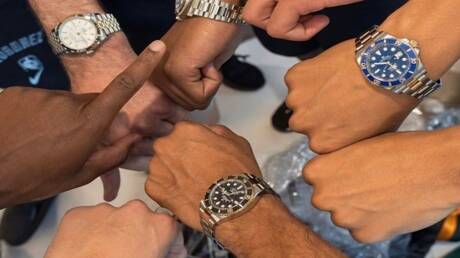
Luis Enrique, the coach of Paris Saint-Germain, fulfilled his promise to gift luxury watches to each player after their victory in the UEFA Champions League. This gesture reflects his commitment to motivating the team and enhancing their spirit.
This initiative comes as part of Enrique's efforts to boost the team's morale, having announced this promise prior to the final match. The news garnered significant attention from both the media and fans, as motivating players through monetary or symbolic rewards is considered an effective strategy in the world of football.
Details of the Event
In the UEFA Champions League final, Paris Saint-Germain delivered an outstanding performance, overcoming their opponent in an exhilarating match. After the game, the players celebrated their achievement, and expectations began to rise regarding the rewards promised by the coach. The luxury watches were presented to the players in a special ceremony, creating an atmosphere of pride and accomplishment within the team.
This step is part of Enrique's strategy to build a strong and cohesive team, as he aims to strengthen relationships among players and motivate them to achieve further successes in the future. Offering tangible rewards like luxury watches reflects the coach's appreciation for the players' efforts and encourages them to give their best.
Background & Context
Historically, rewards have been an essential part of football culture, with coaches using them to motivate players to achieve their goals. In recent years, the provision of luxury rewards has become more common, as many clubs seek to enhance players' morale through valuable gifts. Presenting luxury watches symbolizes success and excellence, reflecting the high regard in which players are held.
It is noteworthy that Paris Saint-Germain has achieved numerous championships in recent years, making it one of the most prominent clubs in the world. The team's success in the UEFA Champions League enhances its status and raises the ambitions of both fans and management alike.
Impact & Consequences
This move comes at a critical time for Paris Saint-Germain as the club seeks to maintain its position on the European stage. Offering luxury rewards can positively impact players' performances in upcoming matches, enhancing their competitive spirit. Additionally, this initiative may attract more distinguished players to the club in the future.
Moreover, the team's success in the UEFA Champions League and the provision of luxury rewards could contribute to strengthening the club's brand, increasing its market value, and enhancing its future investments. These steps reflect the management's vision for developing the team and achieving further accomplishments.
Regional Significance
The success of Paris Saint-Germain in the UEFA Champions League is a source of pride for many Arab fans, as the club has a large fan base in the region. Offering luxury rewards reflects the club's commitment to excellence and enhances its standing in the hearts of supporters. Such initiatives may also inspire other Arab clubs to adopt similar strategies in motivating their players.
In conclusion, Luis Enrique's fulfillment of his promise to present luxury watches to the players reflects the team's spirit and the coach's commitment to motivating them. This step is not merely a reward; it is a powerful message that reinforces the culture of success and excellence in the world of football.