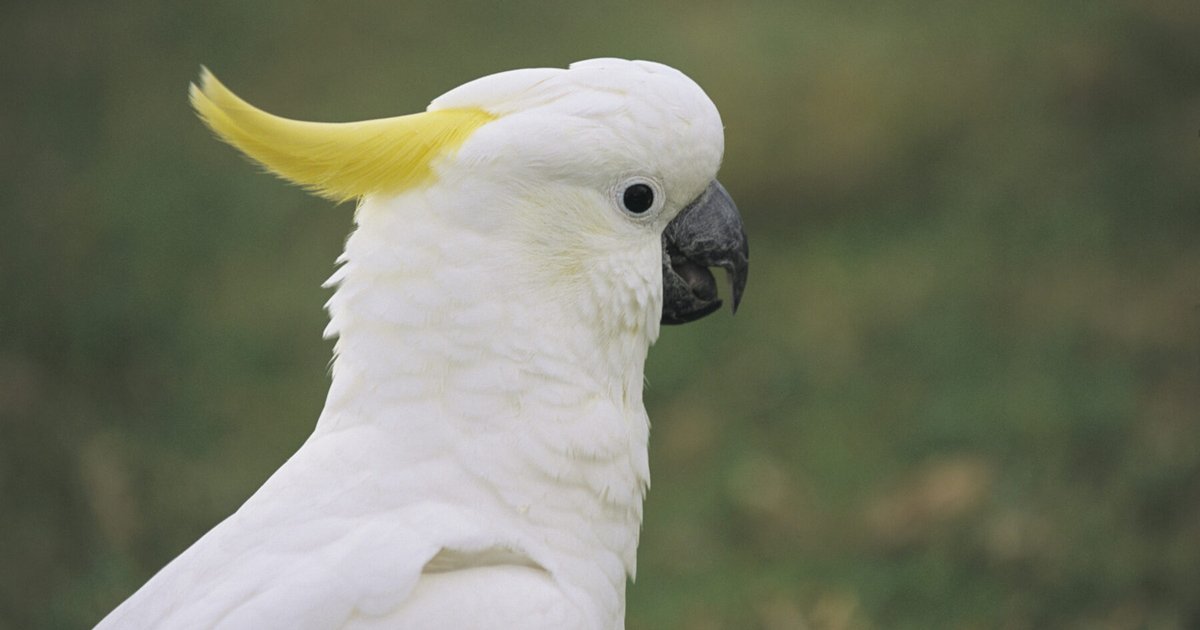
A recent study has shown that the crested cockatoos in Australia depend on social learning to ascertain whether new food is safe by observing the behavior of their group members and imitating them.
These birds exhibit advanced social behavior that aids them in adapting to changing urban environments, as they continuously discover new food sources linked to human activity.
Details of the Study
The study was published on April 30 in the journal PLOS Biology, where researchers provided field evidence that these birds transmit food knowledge through their social networks. Instead of individually trying new food, cockatoos can watch another bird eat and mimic its actions.
The experiment was conducted in Sydney, Australia, where 705 cockatoos were marked with individual tags for precise behavioral tracking. These birds were divided into five populations, allowing researchers to compare how behavior spread among the birds within each group.
The lead researcher of the study, Julia Bendorf, stated that the experiment began by training four birds to eat a new type of food, specifically colored almonds, and then monitoring how this behavior spread among the rest of the birds.
Background & Context
Over the course of ten days, 349 birds learned to consume the new food, with analysis showing that approximately 99.9% of learning occurred through social transmission. This indicates that the new behavior spread within the group in a manner similar to the transmission of habits among individuals.
This pattern of learning is a clear advantage for the birds, as it reduces the risks associated with trying unfamiliar foods. In urban environments, birds may encounter human food scraps or new materials, making it quicker to observe what others eat as a method of food selection.
Impact & Consequences
The study revealed differences between juvenile and adult birds, with younger birds tending to mimic the majority within the group. This suggests that juveniles rely more on group norms than on individual experience.
This strategy is beneficial for young cockatoos, as it helps them quickly adapt to local dietary habits when transitioning between different groups.
Regional Significance
This study highlights the importance of social learning in the animal kingdom, a concept that may have applications in understanding other behaviors in nature. Additionally, understanding how animals adapt to urban environments could assist in conservation efforts in Arab regions experiencing rapid environmental changes.
In conclusion, this study offers new insights into the social intelligence of birds, opening avenues for a deeper understanding of social relationships in the animal world.