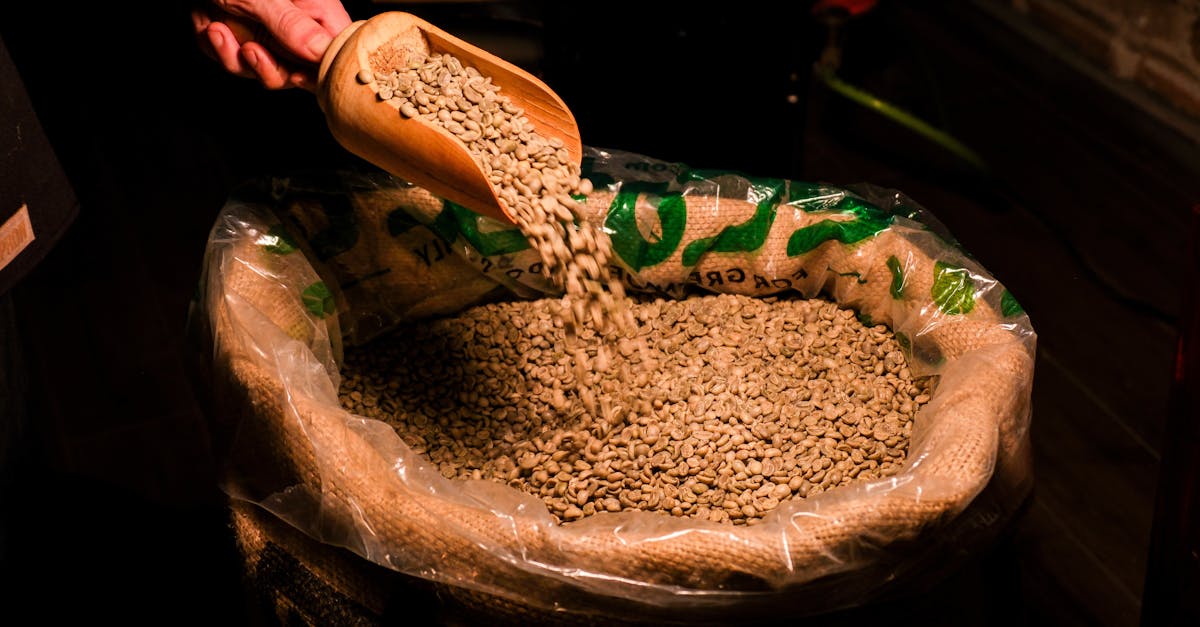
Coffee production in Asir, Saudi Arabia, has reached a new milestone by exceeding 82,000 kilograms, reflecting the ongoing expansion of its cultivation. This success coincides with increasing efforts to promote sustainable agriculture in the Kingdom.
The Saudi Ministry of Environment, Water, and Agriculture aims to support farmers in Asir by providing modern technologies and sustainable agricultural practices. These efforts have contributed to increased productivity and improved crop quality, enhancing the status of Saudi coffee in local and international markets.
Details of the Agricultural Expansion
The agricultural expansion plan in Asir includes planting more land with coffee crops, with new areas identified for coffee cultivation. Technical and financial support has been provided to farmers, improving their economic conditions and increasing their income.
Asir is a mountainous region with a suitable climate for coffee cultivation, where rich soil and elevation contribute to the production of high-quality coffee. Studies have shown that coffee grown in this area has a unique flavor that distinguishes it from other varieties.
Background & Context
The history of coffee cultivation in Saudi Arabia dates back centuries, with the southern region known for growing Arabica coffee. Over time, the Saudi government has begun to promote this agriculture as part of Vision 2030, which aims to diversify the economy and reduce dependence on oil.
The government seeks to enhance local production of agricultural crops, including coffee, by providing support to farmers and developing agricultural infrastructure. This approach reflects the importance of agriculture in achieving food security and sustainable economic development.
Impact & Consequences
The increase in coffee production in Asir may contribute to strengthening the local economy, as it can lead to the creation of new job opportunities in the agricultural sector. Additionally, improving crop quality may open new avenues for export, enhancing the Kingdom's position in global markets.
Moreover, the success of coffee cultivation in Asir can encourage other regions in the Kingdom to adopt agricultural crop cultivation, contributing to achieving food security and sustainable development goals.
Regional Significance
Coffee cultivation in Asir serves as a model for other Arab countries seeking to enhance their local agriculture. The Saudi experience can inspire neighboring countries to develop their agricultural crops and improve their productivity.
Furthermore, the success of coffee cultivation in Asir can enhance regional cooperation in agriculture, contributing to achieving food security in the Arab region as a whole.
In conclusion, the success of coffee production in Asir represents an important step towards achieving sustainable agricultural development in the Kingdom. By supporting farmers and enhancing productivity, these efforts can contribute to achieving the goals of Vision 2030 and strengthening the local economy.