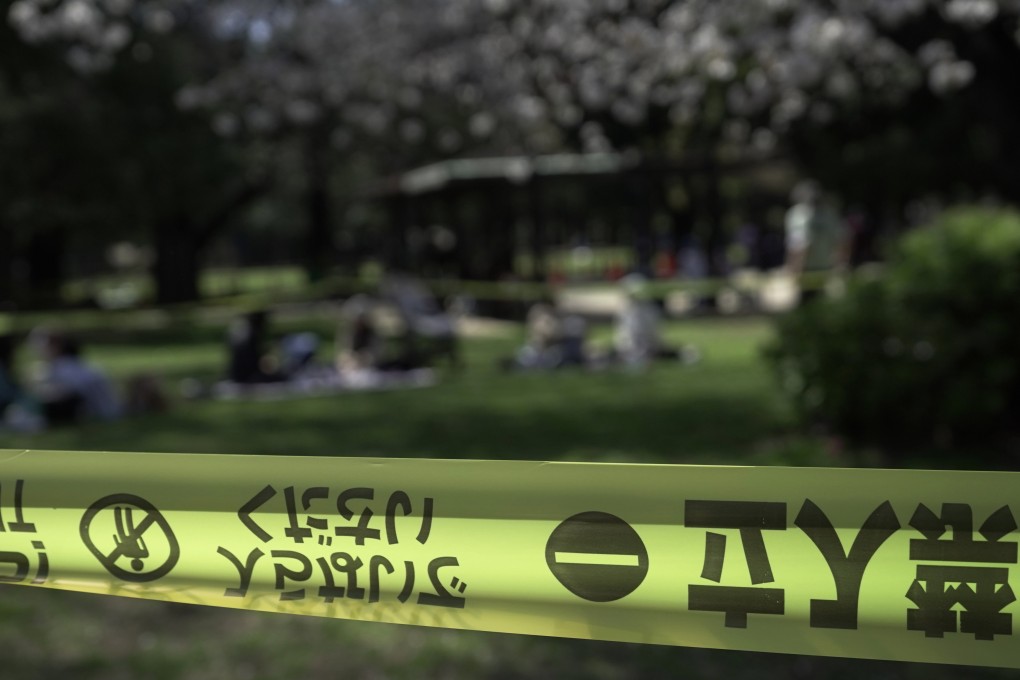
Tokyo is experiencing a wave of concern regarding visitor safety following the collapse of several famous cherry trees, known as Somei Yoshino, during the cherry blossom season. The trees, which were planted in the post-war era of the 1960s, have now become weak and prone to falling, raising alarms among local residents and visitors alike.
Last Thursday, two of these trees collapsed, one in Kinuta Park in central Tokyo and the other along Chidorigafuchi avenue. The tree that fell in Kinuta Park caused damage to the park's fence, although no human injuries were reported.
Details of the Incident
Cherry trees are a cultural symbol in Japan, with the Japanese celebrating the cherry blossom season each year. However, the deteriorating condition of these trees raises questions about how to preserve these national symbols. Many other trees are in need of additional support, which further heightens concerns about visitor safety.
These incidents coincide with spring celebrations, where people gather in parks to enjoy the sight of blooming flowers. Local authorities have announced plans to inspect the remaining trees and provide necessary support, but concerns remain prevalent.
Background & Context
The Somei Yoshino cherry trees were planted in Japan during the post-war period, becoming an integral part of Japanese culture. These trees are not only a symbol of beauty but also embody hope and renewal. As time passes, these trees have begun to suffer from aging, presenting new challenges for their preservation.
Over the years, Japan has witnessed numerous environmental and social changes that have impacted agriculture, including climate change and population growth. These factors have contributed to the deteriorating condition of the trees, necessitating greater attention from local authorities and the community.
Impact & Consequences
These incidents serve as a wake-up call for Japanese authorities regarding the urgent need to take action to preserve natural and cultural heritage. The collapse of the trees could negatively affect tourism, as many visitors come from around the world to enjoy the cherry blossom season.
Furthermore, maintaining these trees requires investments in maintenance and support, which could impact local budgets. It is crucial for Japan to adopt effective strategies to ensure visitor safety while preserving its natural heritage.
Regional Significance
Although this event is taking place in Japan, it highlights the importance of preserving natural and cultural heritage worldwide. In the Arab region, many countries face similar challenges concerning environmental conservation and cultural heritage preservation.
The lessons learned from Japan could be beneficial for Arab countries, as they may contribute to developing strategies for environmental conservation and promoting sustainable tourism.
In conclusion, the collapse of cherry trees in Tokyo serves as a call to reflect on how to preserve natural and cultural heritage, both in Japan and elsewhere.