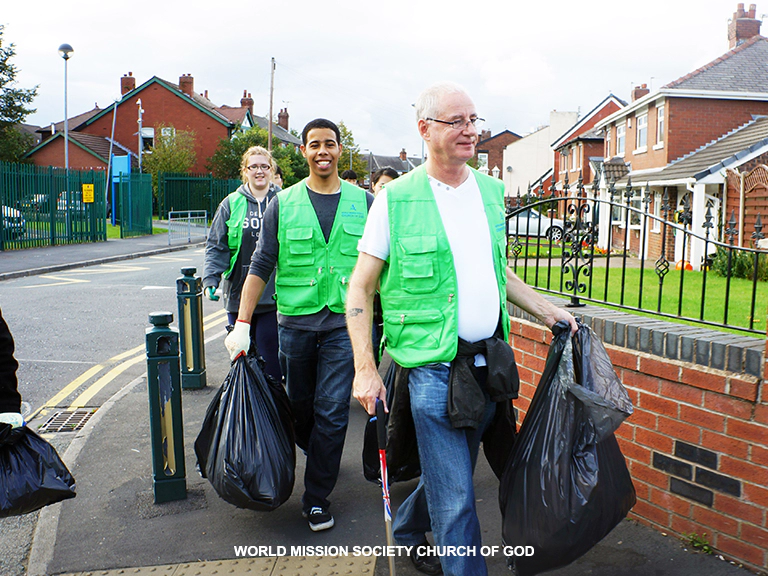
In a move aimed at enhancing environmental awareness and addressing waste challenges, the city of Malang in Indonesia hosted a collective cleanup campaign on Sunday morning, led by Environment Minister Hanif Faishal Norwick. The campaign saw participation from several local officials, including the governor of Malang, and garnered significant interest from the local community.
The campaign was organized on Igjen Street, a vital location that hosts a car-free day every week. This site was chosen to increase awareness among citizens about the importance of environmental preservation, as participants collected waste using simple tools like litter pickers and garbage bags.
Event Details
The campaign was not limited to Malang city alone; similar activities took place in other areas such as Kalimalang, Pantai Jimbaran, and Surabaya. These activities are part of the Indonesian government's efforts to combat the waste problem, which has become a significant environmental challenge.
Environment Minister Hanif Norwick emphasized the importance of this campaign, asserting that cleanliness should be an integral part of citizens' daily culture. He also urged citizens to commit to proper environmental practices to maintain the beauty and health of the environment.
Background & Context
The waste issue is one of the pressing challenges facing many countries, including Indonesia. Reports indicate that Indonesia is among the largest producers of plastic waste in the world. In this context, the Korvi campaign launched by the Indonesian president is part of a comprehensive strategy to address this problem.
Historically, Indonesia has relied on traditional waste management methods, which have exacerbated the problem. However, the shift towards collective initiatives like Korvi reflects a change in mindset regarding the importance of collaborative action in tackling environmental challenges.
Impact & Consequences
This campaign is seen as a positive step towards building collective environmental awareness, as teamwork fosters a spirit of cooperation among citizens and encourages them to take individual steps to protect the environment. Additionally, these activities reflect the Indonesian government's commitment to addressing environmental challenges.
It is expected that this campaign will lead to improved environmental conditions in the targeted areas and increase awareness about the importance of cleanliness and environmental preservation. Furthermore, it could serve as a model for other countries facing similar challenges.
Regional Significance
Many Arab countries also face significant challenges in waste management, with waste issues being pressing environmental concerns. Indonesia's experience in organizing collective campaigns to enhance environmental awareness could serve as an inspiring model for Arab nations.
By adopting such initiatives, Arab countries can bolster their efforts in addressing waste challenges, contributing to improved environmental quality and the overall quality of life for citizens.