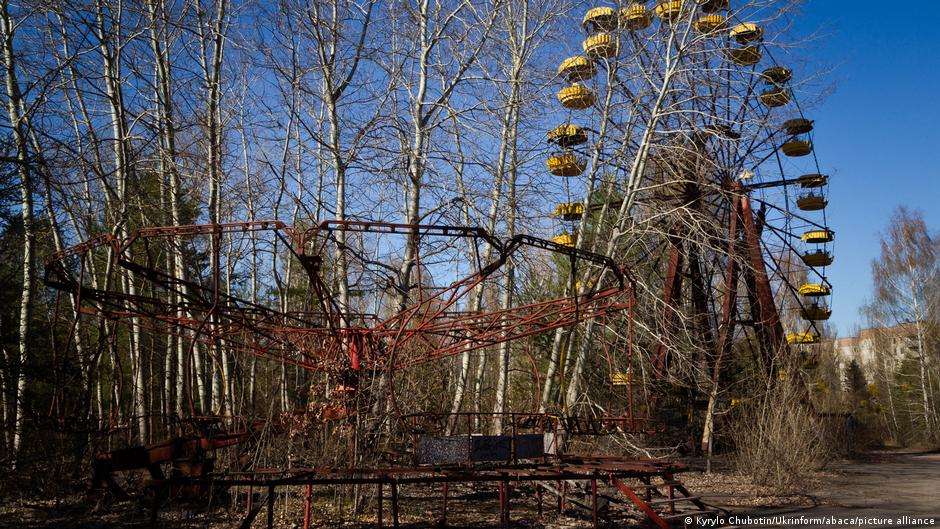
The Ukrainian city of Pripyat, fully evacuated after the explosion of the Chernobyl reactor, is celebrating the 40th anniversary of the disaster. Once considered a pride of Soviet nuclear industry, it has now become a ghost town that reflects the effects of the tragedy. In 1986, Pripyat was home to around 50,000 people, but after the explosion, everyone left their homes forever.
DW reporter toured with a former resident of the city, Volodymyr Voroby, who lived in Pripyat before the disaster. Voroby describes how the city was, with streets filled with abandoned toys and household furniture. Today, buildings have eroded and turned into ruins, with nature reclaiming them.
Event Details
On April 26, 1986, reactor number 4 at the Chernobyl nuclear power plant exploded, leading to one of the worst nuclear disasters in history. Pripyat, located just 3 kilometers from the plant, had been established only 16 years prior and contained 160 buildings and 13,500 apartments. Following the explosion, residents were urgently evacuated, unaware of the severe consequences that would follow.
Voroby recalls his memories of those moments, as he worked as an electrician near the reactor. He recounts how he tried to go to work on the morning of the explosion but found that the buses were not operating. When he arrived at the plant, he discovered the devastation that had occurred, not realizing the extent of the danger he faced.
Background & Context
The Chernobyl disaster symbolizes the Soviet system's failure in crisis management, as information about the real dangers was concealed. It was believed that nuclear energy in the Soviet Union was the safest, and there were no warnings about the possibility of such a catastrophe. This contributed to a significant spread of radiation, affecting the health of the population and the surrounding environment.
After the disaster, the city of Slavutych was built as an alternative to Pripyat, where many former residents moved. However, the effects of the disaster remain evident, as the reactor is still closed, and decontamination efforts continue.
Impact & Consequences
The Chernobyl explosion changed the course of history, not only in Ukraine but worldwide. The disaster raised awareness of the risks associated with nuclear energy, prompting many countries to reassess their nuclear policies. It also contributed to the collapse of the Soviet Union, as it affected citizens' trust in the government.
Today, Chernobyl and Pripyat still attract tourists, as visitors can explore the abandoned city and see the remnants of the disaster. However, the security situation in the area has changed following the Russian invasion of Ukraine in 2022, affecting the ability to visit these sites.
Regional Significance
The Chernobyl experience serves as an important lesson for Arab countries seeking to develop their nuclear programs. Health and environmental risks must be considered, and there should be transparency in handling information related to nuclear safety. Additionally, international cooperation in peaceful nuclear energy can help prevent the recurrence of such disasters.
In conclusion, the Chernobyl disaster remains a landmark in history, reminding us of the importance of safety and transparency in all areas of energy. The lessons learned from this catastrophe should guide future nuclear policies.