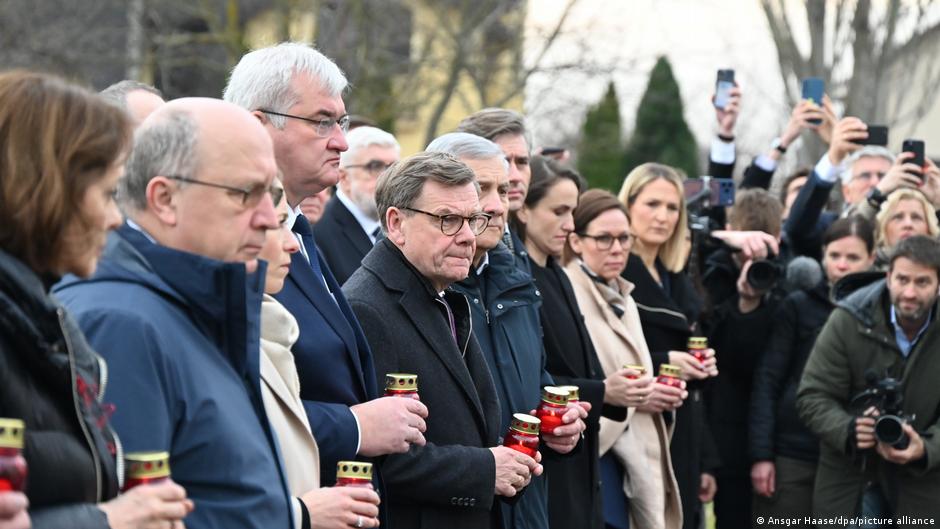
On the fourth anniversary of the Bucha massacre, several senior European diplomats arrived in the Ukrainian capital, Kyiv, to commemorate the victims who fell in one of the most horrific atrocities committed by Russian forces during the war. The massacre, which took place at the beginning of the Ukrainian conflict, resulted in the deaths of hundreds of civilians and triggered widespread international reactions.
The visit of the European Union's High Representative for Foreign Affairs, Josep Borrell, and foreign ministers from various EU countries is part of a memorial ceremony for the victims. A spokesperson for the European Commission noted that the informal meeting aims to remember the "terrible tragedy" that occurred in Bucha.
Details of the Event
Bucha, located about 25 kilometers northwest of Kyiv, was occupied by Russian forces in the early days of the war. Following the withdrawal of Russian troops on March 31, 2022, the bodies of many civilians were found in the streets, some with their hands bound. Reports from the United Nations confirmed the deaths of dozens of civilians during that period.
The German Foreign Minister, Johann Wadephol, who was among the attendees, emphasized that this visit aims to send a clear message that the Ukrainian people are part of "our European family." He also highlighted the importance of holding those responsible for the crimes accountable, reaffirming the German government's support for Ukraine in gathering evidence and documenting Russian crimes.
Background & Context
The Bucha massacre is considered a symbol of the crimes committed by Russian forces in Ukraine, with Ukrainian figures indicating that over 400 civilians were killed in Bucha alone, while the death toll in the wider Kyiv region exceeded 1,300, including more than 700 shot dead. These atrocities were revealed two days after the withdrawal of Russian forces, prompting global condemnation.
Russia continues to deny responsibility for this massacre, claiming without evidence that the events were fabricated. However, international reports, including those from the United Nations, confirm the occurrence of these crimes.
Impact & Consequences
These events highlight the ongoing challenges faced by Ukraine in its struggle against Russian forces and underscore the urgent need for international support. The visit of European diplomats reflects the EU's commitment to continuing support for Ukraine in the face of Russian aggression.
Discussions among the ministers are expected to focus on how to enhance support for Ukraine, especially amid ongoing financial pressures exerted by some countries like Hungary on the aid provided to Kyiv. Wadephol confirmed that Germany is working with its partners to facilitate legal trials for Russian crimes.
Regional Significance
The events in Ukraine hold significant importance for the Arab region, as they highlight the need for international solidarity to address humanitarian challenges. The Ukrainian conflict also underscores the importance of food and energy security, which directly impacts Arab countries that rely on importing grains and energy.
In conclusion, the Bucha massacre remains a symbol of the atrocities that can occur in wars and emphasizes the importance of justice and accountability. The international community's support for Ukraine is a vital step towards achieving peace and stability in the region.