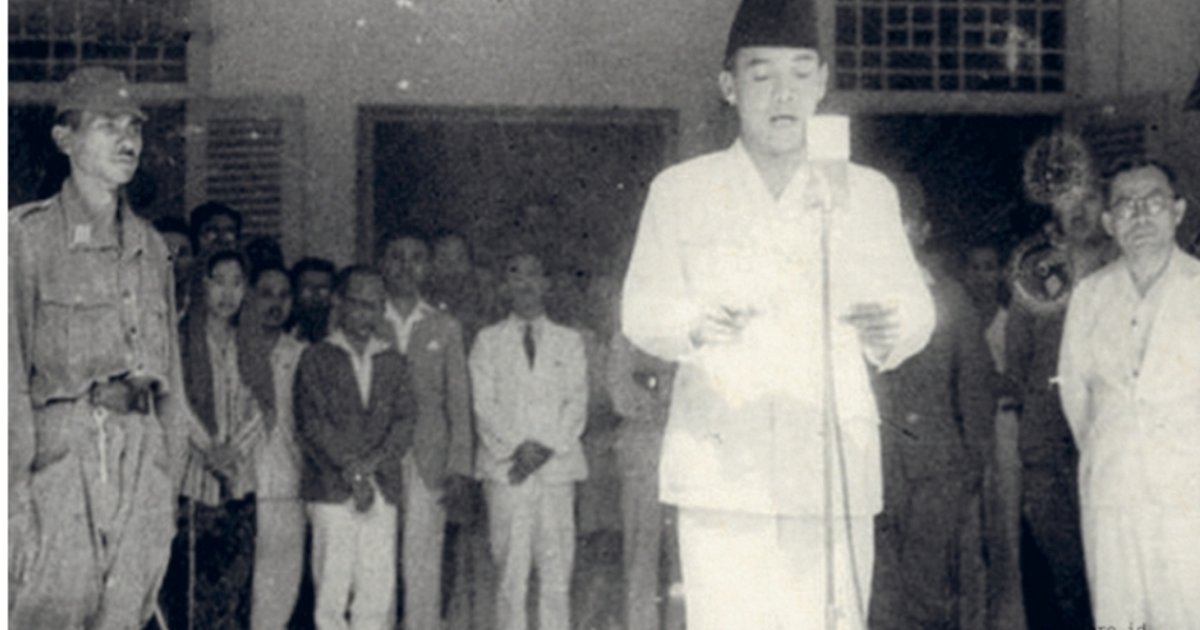
Indonesian Minister of Culture Fadly Zon confirmed that the APRI Headquarters, located in the Nawangan area of Pakitan, East Java, serves as a tangible testament to Indonesia's struggle against Dutch colonialism. His remarks, made from the capital Jakarta on Saturday, highlighted the significance of this site in enhancing Indonesia's position on the international stage.
Zon explained that the resistance led by General Sudirman in Java, along with the emergency government in Sumatra, was a strong signal to the world that Indonesia still exists and continues its fight against colonialism.
Details of the Event
The APRI Headquarters in Nawangan is considered one of the important historical sites used by General Sudirman as a base for his operations during the Second Dutch Military Aggression, which occurred between April 1 and July 7, 1949. This period was critical in Indonesia's history, witnessing the continuation of resistance against Dutch occupation.
Zon noted that this house represented one of the main centers in the final phase of the struggle, where General Sudirman moved between locations after the truce was violated by the Dutch, who claimed that the Republic of Indonesia no longer existed. However, the ongoing resistance in various regions proved otherwise, demonstrating Indonesia's presence in the eyes of the world.
Background & Context
Indonesia's history is filled with challenges, having faced prolonged colonization by the Dutch. The Indonesian independence movement began in the early 20th century but escalated significantly after World War II. In 1945, Indonesia declared its independence, but the Dutch attempted to regain control, leading to a series of armed conflicts.
General Sudirman was one of the prominent military leaders of that era, leading resistance operations in Java, making him a symbol of national struggle. His strategies contributed to boosting the morale of Indonesian fighters and showed the world that Indonesia would not easily surrender.
Impact & Consequences
The Minister of Culture's visit to the APRI Headquarters reflects the Indonesian government's commitment to preserving the country's cultural and historical heritage. It also emphasizes the importance of historical sites as educational tools for new generations, helping to strengthen national identity.
The government also seeks to promote a comprehensive historical narrative based on facts, ensuring that the legacy of the struggle for independence remains relevant and meaningful for future generations. This type of commitment reflects the importance of history in shaping national identity and enhances the spirit of nationalism within Indonesian society.
Regional Significance
Indonesia's experience in the struggle against colonialism can serve as an inspiration for many Arab countries that have faced similar challenges. Arab history is filled with struggles against colonialism, highlighting the importance of preserving historical memory and educating new generations about the values of freedom and independence.
Enhancing historical awareness in Arab countries can contribute to building stronger and more cohesive communities, where youth can benefit from the experiences of other peoples in their fight for freedom.