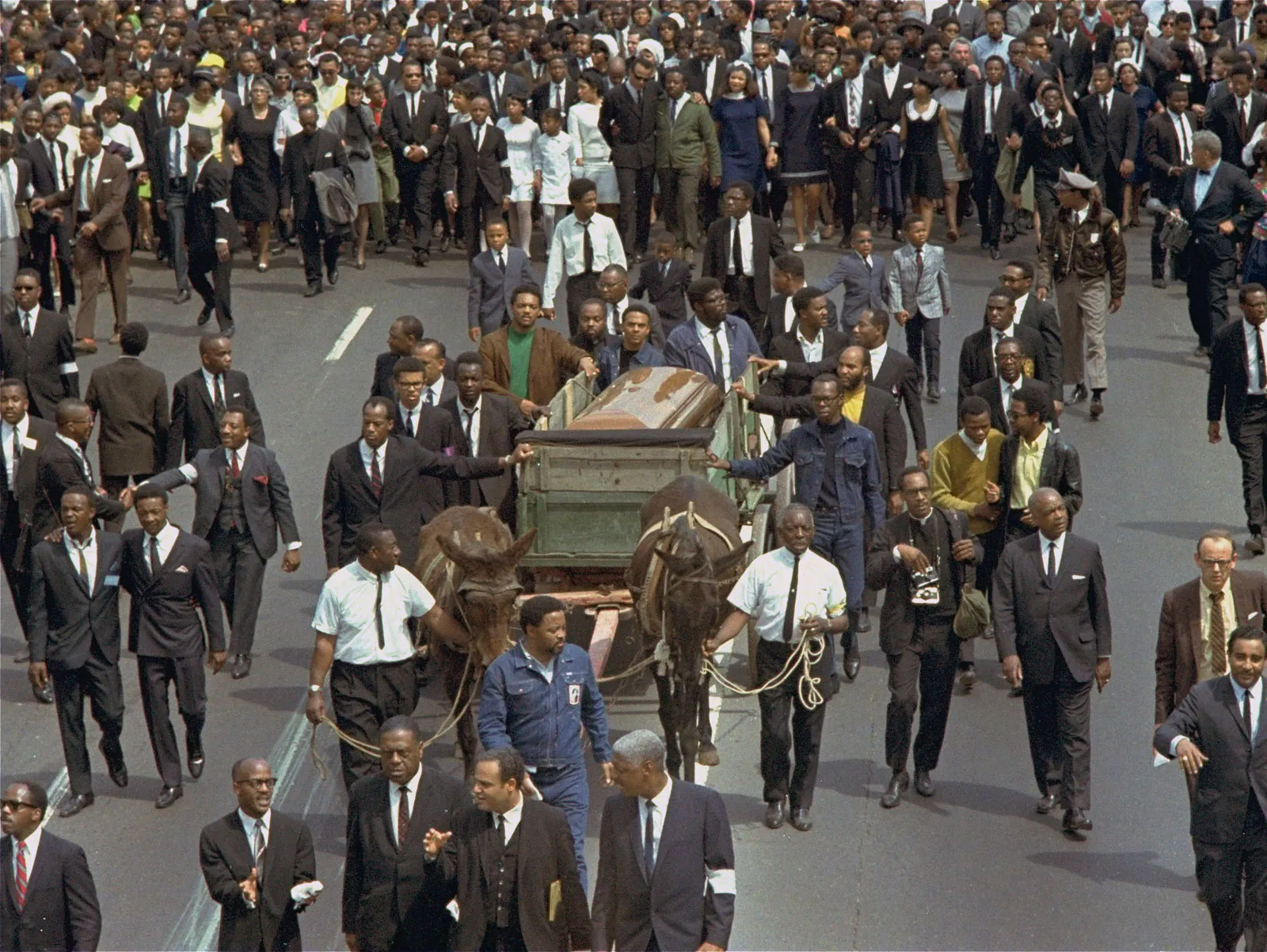
On April 4, 1968, American civil rights leader Martin Luther King Jr. was assassinated in Memphis, Tennessee. King was a symbol of the struggle for justice and equality, and his assassination represented a turning point in the history of the nation.
Born on January 15, 1929, Martin Luther King Jr. was one of the most prominent figures in the fight against racial discrimination. He led numerous peaceful campaigns, including the 1963 March on Washington, where he delivered his famous "I Have a Dream" speech, calling for equality among all Americans regardless of their skin color.
Details of the Assassination
On the evening of April 4, 1968, King was shot by a sniper while standing on the balcony of the Lorraine Motel in Memphis. He was in the city to support a sanitation workers' strike and was shot while standing on the hotel balcony. King was rushed to the hospital but died shortly thereafter, causing widespread shock in American and global communities.
Following his assassination, riots erupted in numerous American cities as people expressed their anger and grief over the loss of their leader. James Earl Ray was arrested and convicted for King's murder, but many theories surrounding the circumstances of his assassination continue to persist to this day.
Context and Background
King's assassination coincided with a period of social and political tensions in the United States, as the civil rights movement was escalating in the face of racial discrimination and violence. King believed that the struggle for civil rights should be conducted through peaceful means, making him a pivotal figure during that era.
Prior to his assassination, King faced numerous threats, including attempts to tarnish his reputation by the government. Nevertheless, he continued to work towards achieving social justice, which made him a target for extremists who viewed him as a threat to their system.
Impact and Consequences
King's assassination led to significant changes in the civil rights movement. There was increased pressure on the U.S. government to adopt new legislation aimed at protecting minority rights. In 1968, the Fair Housing Act was passed, which helped combat housing discrimination.
His assassination also contributed to raising global awareness about civil rights issues, and he became a symbol of the struggle for justice worldwide. King's legacy remains alive in many social movements striving for equality and justice.
Significance for the Arab World
The Arab world was also influenced by King's ideas about justice and equality. His principles inspired many movements in the region that seek to achieve human rights and democracy. The struggle for Palestinian rights, for example, reflects some of the principles that King advocated during his lifetime.
The anniversary of King's assassination reminds us of the importance of the struggle for justice and highlights the challenges that communities around the world still face.