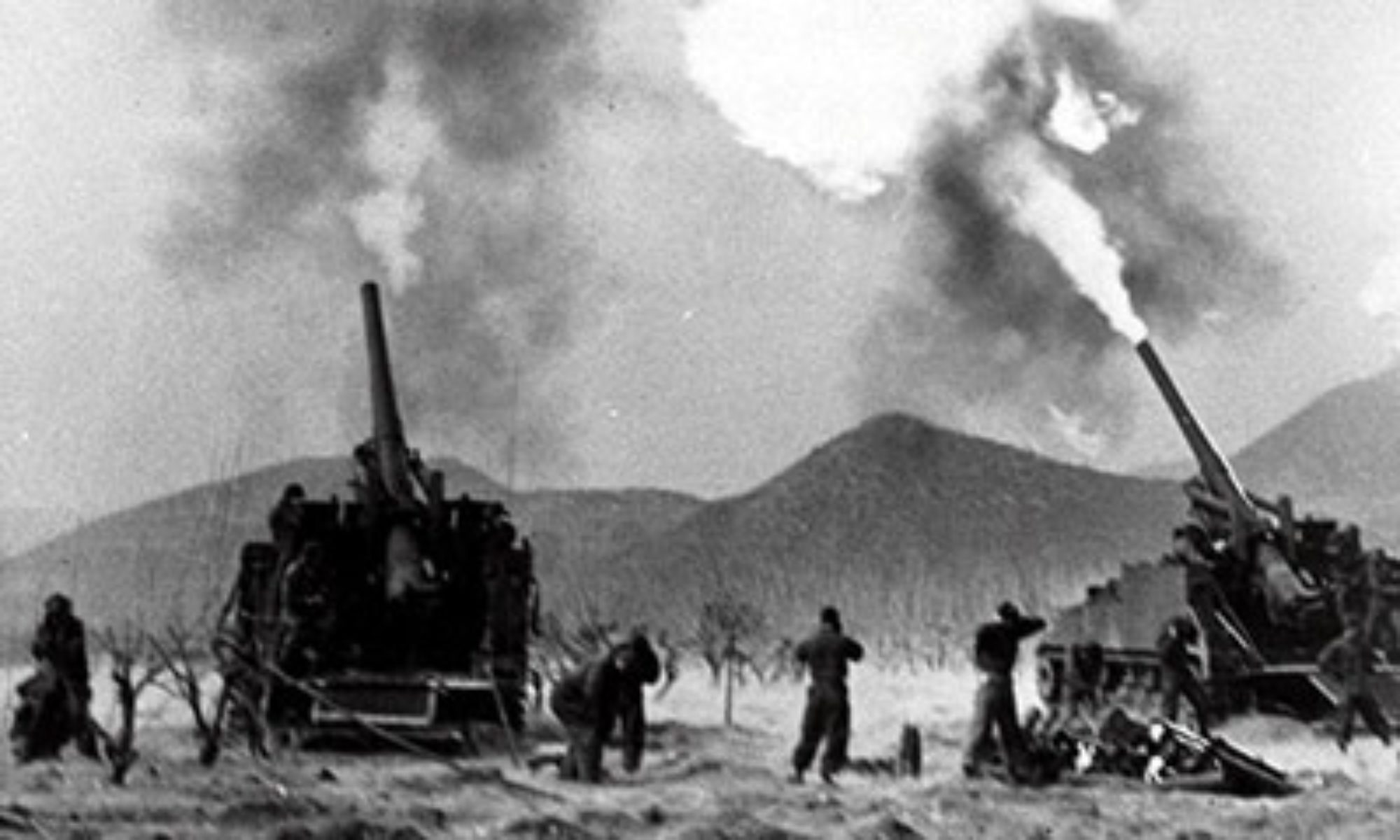
On April 2, the world commemorates the anniversary of the Falklands War that took place between Britain and Argentina in 1982. This war, which lasted for 10 weeks, resulted in the deaths of approximately 649 Argentine soldiers and 255 British soldiers, and its effects are still present in the collective memory of both countries.
The Falkland Islands, located in the South Atlantic Ocean, are a historical point of contention between Argentina and Britain, where Argentina refers to them as the "Malvinas." On this day, memorial ceremonies are held in both countries, with Argentinians remembering their fallen soldiers in battle, while Britain honors those who lost their lives in the conflict.
Details of the Commemoration Events
The commemoration events in Argentina include official ceremonies in the capital, Buenos Aires, where officials lay wreaths at memorials. Events are also organized in the Falkland Islands themselves, where a small number of British residents live. In contrast, images published in the media show how the anniversary still evokes strong emotions among Argentinians, who consider the islands an integral part of their territory.
Despite the passage of 41 years since the conflict, tensions between the two nations have not completely disappeared. Argentina continues to assert its claim to sovereignty over the islands, while Britain rejects any change to the status quo. This dispute is considered one of the most prominent geopolitical issues in the region, reflecting the historical tensions between former colonial powers and newly independent nations.
Background & Context
The roots of the dispute over the Falkland Islands date back to the 19th century, when British forces settled on the islands. In 1982, Argentina decided to reclaim the islands by force, leading to British military intervention. The war ended with a British victory, but the sovereignty dispute continued. In the years following the war, Argentina sought to bolster its international position by supporting its claims in international forums, while Britain continued to strengthen its military presence in the region.
This war is seen as a turning point in the history of relations between Argentina and Britain, leading to political changes within Argentina, where the military government that ruled the country at the time fell after the defeat in the war. It also contributed to the strengthening of Argentine national identity, as soldiers who fought in the war are viewed as heroes.
Impact & Consequences
The repercussions of the Falklands War continue to affect bilateral relations between Argentina and Britain. This issue is considered one of the sensitive topics that stirs nationalistic sentiments in Argentina. Additionally, the dispute influences the foreign policy of both countries, with Argentina seeking to enhance its position in international forums while Britain attempts to maintain its sovereignty over the islands.
Moreover, the dispute over the Falkland Islands serves as an example of regional conflicts that can lead to military tensions, highlighting the importance of peaceful solutions and diplomatic discussions in resolving international disputes.
Regional Significance
Although the dispute over the Falkland Islands may seem distant from the Arab region, regional issues and border conflicts are common topics in many Arab countries. The dispute illustrates the importance of dialogue and understanding between nations, and how history can impact current relations. It also emphasizes the significance of supporting the rights of peoples to self-determination, a principle considered fundamental in international politics.
In conclusion, the anniversary of the Falklands War serves as an opportunity to reflect on the importance of peace and understanding between nations, and to avoid conflicts that may lead to loss of life and destruction of relationships between peoples.