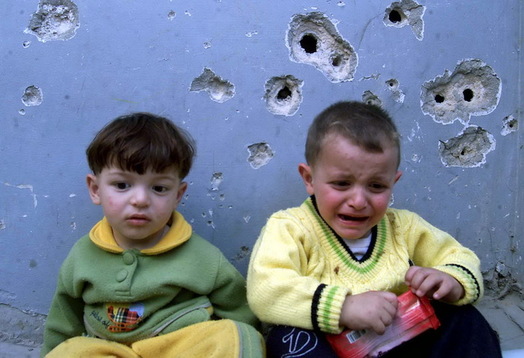
On April 3, 2002, the Palestinian city of Jenin witnessed one of the most horrific massacres in the history of the Israeli-Palestinian conflict. Israeli forces launched a large-scale military operation that resulted in the deaths of dozens and the destruction of large parts of the camp, leaving deep scars on the local population and impacting the overall situation in the Palestinian territories.
The attack, which lasted several days, involved the use of tanks and warplanes by Israeli forces, leading to the deaths of more than 50 Palestinians, including civilians, and injuring hundreds. Many homes and infrastructure were destroyed, rendering the camp a disaster zone.
Details of the Event
The massacre began on April 3, 2002, as part of Operation "Defensive Shield" launched by Israel following a surge in Palestinian attacks. Israeli forces unexpectedly stormed the camp, facing resistance from Palestinian fighters. However, the overwhelming military force employed by Israel quickly established its dominance over the area.
International reports at the time documented severe human rights violations, including extrajudicial killings, arbitrary arrests, and property destruction. Violations against children and women were also reported, prompting widespread reactions from human rights organizations.
Background & Context
The Jenin massacre occurred within a complex historical context of the Israeli-Palestinian conflict, where the Palestinian territories have witnessed numerous bloody events since the onset of Israeli occupation in 1967. Tensions escalated in the early 2000s, particularly following the Al-Aqsa Intifada that began in 2000.
The Jenin massacre is considered a pivotal moment in this conflict, illustrating the violent nature of the Israeli occupation and Palestinian responses. It also contributed to increased international sympathy for the Palestinian cause and sparked calls for justice and accountability.
Impact & Consequences
The Jenin massacre significantly affected the Palestinian community, exacerbating humanitarian conditions in the camps. Many families lost their members, leaving a profound psychological impact on survivors. The massacre also intensified Palestinian resistance against the occupation.
On the international level, the massacre elicited strong reactions from governments and human rights organizations, calling for the international community to intervene and halt the violations. However, Israeli policies continued to disregard these calls, increasing resentment within the Palestinian community.
Regional Significance
The Jenin massacre has become a symbol of Palestinian suffering and has affected relations between Arab countries and Israel. It led to increased Arab support for the Palestinian cause and the emergence of solidarity movements in many Arab nations.
Additionally, the massacre contributed to the strengthening of the anti-occupation discourse in the Arab world, raising awareness of the Palestinian issue at both popular and political levels.
In conclusion, the Jenin massacre remains a painful event in Palestinian memory, reminding us of the urgent need to work towards achieving justice and peace in the region.