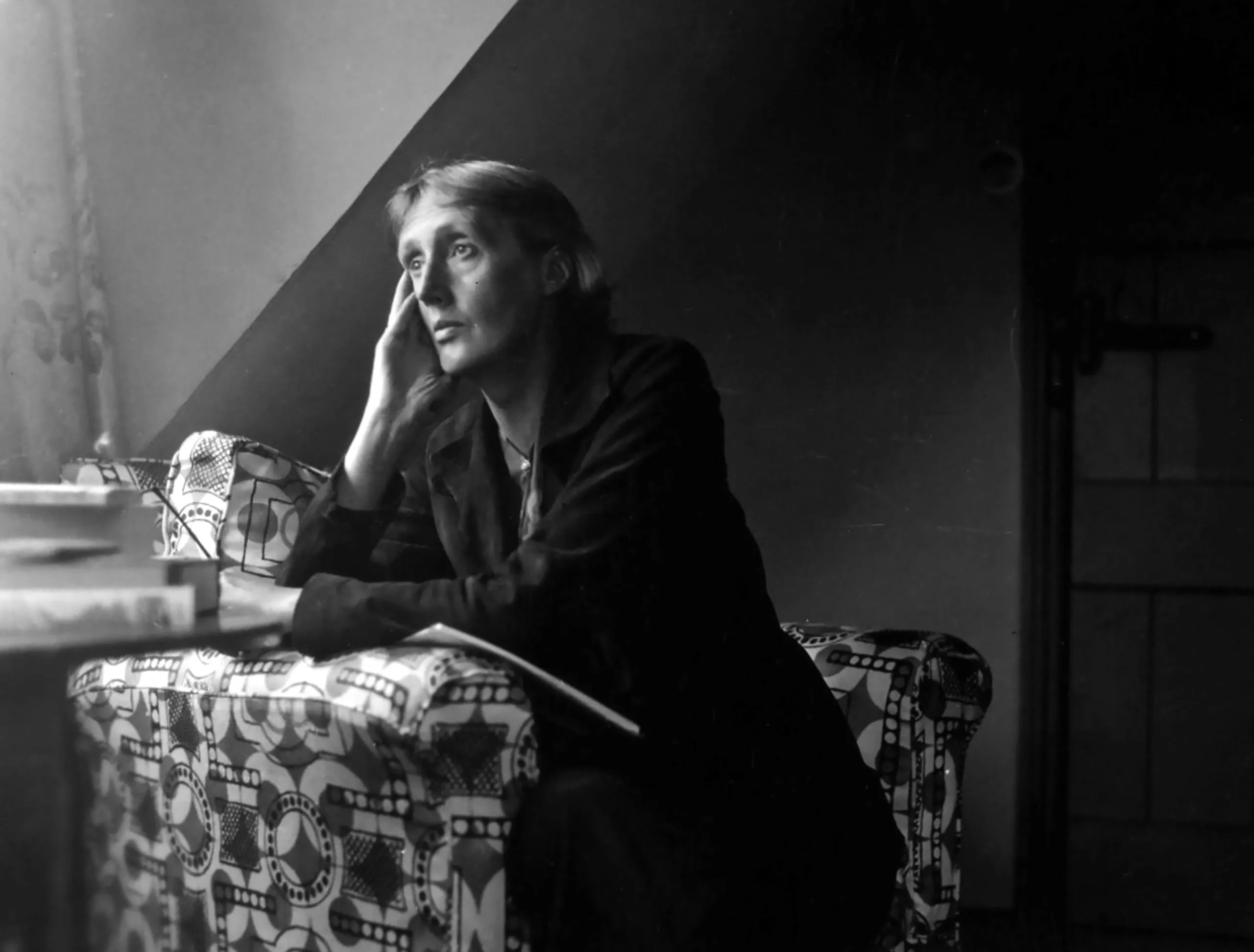
On this day, March 28, 1941, renowned British author Virginia Woolf took her own life, leaving a profound impact on the literary world. Woolf, a prominent figure in 20th-century literature, struggled with chronic mental health issues.
Woolf is considered one of the pioneers of the feminist movement in literature, addressing issues of identity and personal freedom in her writings. Her works, such as 'Mrs. Dalloway' and 'To the Lighthouse', represent deep human experiences and explore the complexities of women's inner lives.
Details of the Event
On the morning of March 28, 1941, the body of Virginia Woolf was found in the Ouse River, where she had taken her own life after leaving a poignant letter for her husband, Leonard Woolf. In the letter, she expressed her feelings of despair and inability to continue facing her psychological suffering. Woolf had experienced severe bouts of depression throughout her life, which affected her ability to write and connect with others.
Woolf's death marked a turning point in society's understanding of mental illness, shedding light on the suffering of many who struggle in silence. Her suicide was a shock to the literary community and sparked widespread reactions from writers and critics.
Background & Context
Virginia Woolf was born on January 25, 1882, in London, and was part of a group of writers and artists who formed what is known as the 'literary circles' in the early 20th century. Woolf was an activist in the feminist movement, advocating for women's rights in education and work, and offering new insights into the role of women in society.
Woolf was deeply affected by the political and social events that Britain experienced during her lifetime, including both World Wars. She expressed her concern about the impact of these events on the human psyche, which made her writings profound and bold.
Impact & Consequences
After Woolf's death, her works continued to influence subsequent generations of writers. She became a symbol of the psychological suffering faced by women and inspired numerous literary works addressing mental health issues. Her legacy also contributed to enhancing the dialogue about the importance of psychological support and therapy.
Woolf is also considered a pivotal figure in modern literature, having contributed to the development of new narrative techniques, such as the stream of consciousness. She left a rich literary legacy that continues to impact contemporary literature.
Regional Significance
Although Virginia Woolf was not a well-known figure in the Arab world, her ideas about women's rights and mental health have begun to resonate in Arab societies. With the growing awareness of mental health issues, Arab women have started to express their experiences and struggles, inspired by Woolf's stories.
There is an increasing need to discuss mental health issues in the Arab world, where many communities still suffer from the stigma associated with mental disorders. Woolf's legacy can inspire a deeper dialogue about these issues and encourage support for those who suffer.
In conclusion, the memory of Virginia Woolf remains alive in the hearts of many, reminding us of the importance of dialogue about mental health and women's rights. Her story calls for reflection on how to support individuals facing psychological issues and highlights the significance of literature as a means to understand this suffering.