Amid the preparations for the French municipal elections, Montargis showcases a story that reflects the diversity of its religious communities, with Muslims and Christians gathering to celebrate Eid al-Adha. This gathering illustrates the strength of spiritual and social coexistence between them.
This event was not merely a religious celebration; it was a response to the spirit of unity and solidarity sought by the city's residents. Numerous representatives from both communities engaged in direct contact, exchanging greetings, which contributed to creating an atmosphere of warmth and mutual respect. This event shows that communities, despite their differences, can unite during celebrations shared by various religions.
Eid al-Adha, considered one of the most significant Islamic holidays, also provided Muslims in Montargis the opportunity to showcase their cultures and traditions within a framework that enhances the daily lifestyle of the city. Cultural exchanges and sharing joy during celebrations are fundamental to promoting peaceful coexistence, especially in communities with a significant number of religions.
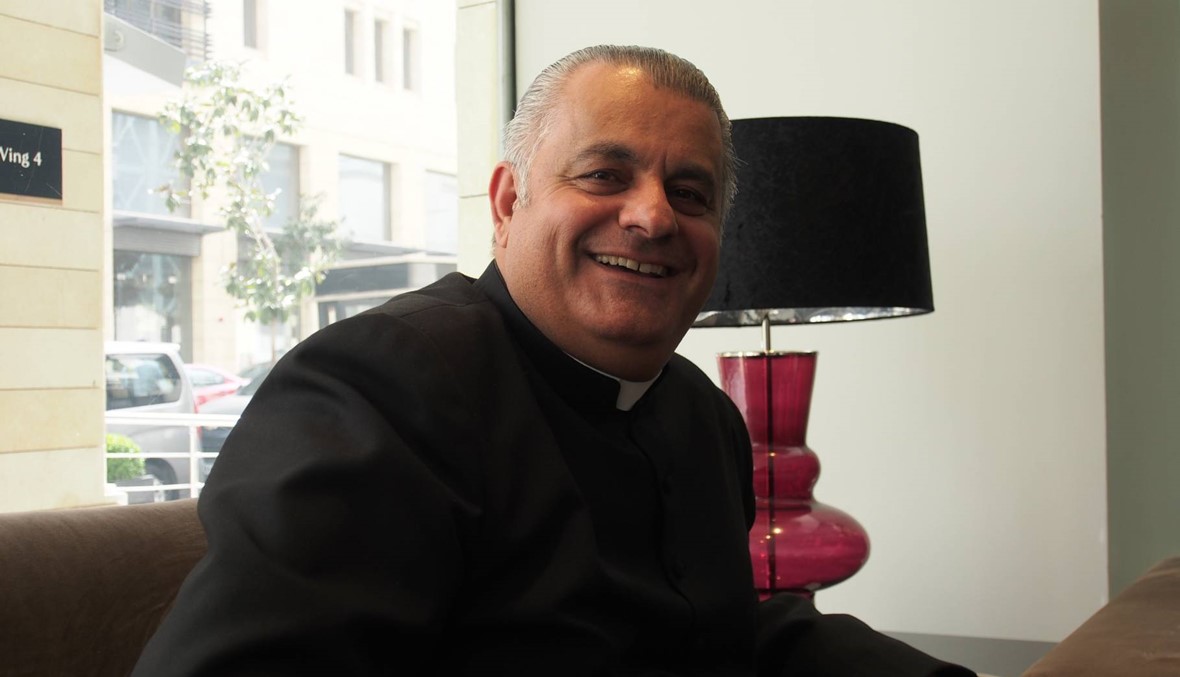
Over time, the relationship between the Muslim and Christian communities in Montargis has proved to be more than superficial. It has taken root in the hearts of many, heralding the beginning of a new chapter of mutual understanding and communication. For instance, a priest visiting Muslims during the celebration is a symbolic step reflecting this spirit.
Historically, the city of Montargis, located in the Loiret region, has a rich architectural and cultural heritage that spans centuries. With increasing migration, the city has become home to new communities that have contributed to shaping its cultural fabric. This social transformation requires the communities in the city to work together to achieve common goals.
The implications of these events present an opportunity to reinforce social values in France, where religious pluralism is often viewed with caution. Joint celebrations reflect an exemplary model of how to handle differences, fostering trust among citizens. However, the question remains: will this spirit of understanding and cooperation last beyond the election period?
When we look at the Arab contexts, clear similarities can be found. Countries such as Lebanon and Egypt often experience tensions between different religions. However, shared cultural and religious celebrations are seen as one way to maintain communication between diverse communities. For example, the cultural flourishing observed in cities like Beirut and Cairo during various religious events encourages interfaith interactions.
In conclusion, this event in Montargis serves as a noteworthy example. Diversity in communities is not only a cultural richness but also a foundation for collaborative efforts toward a better future. It is up to future generations to innovate and leverage this cultural momentum to foster understanding and respect among all community members.